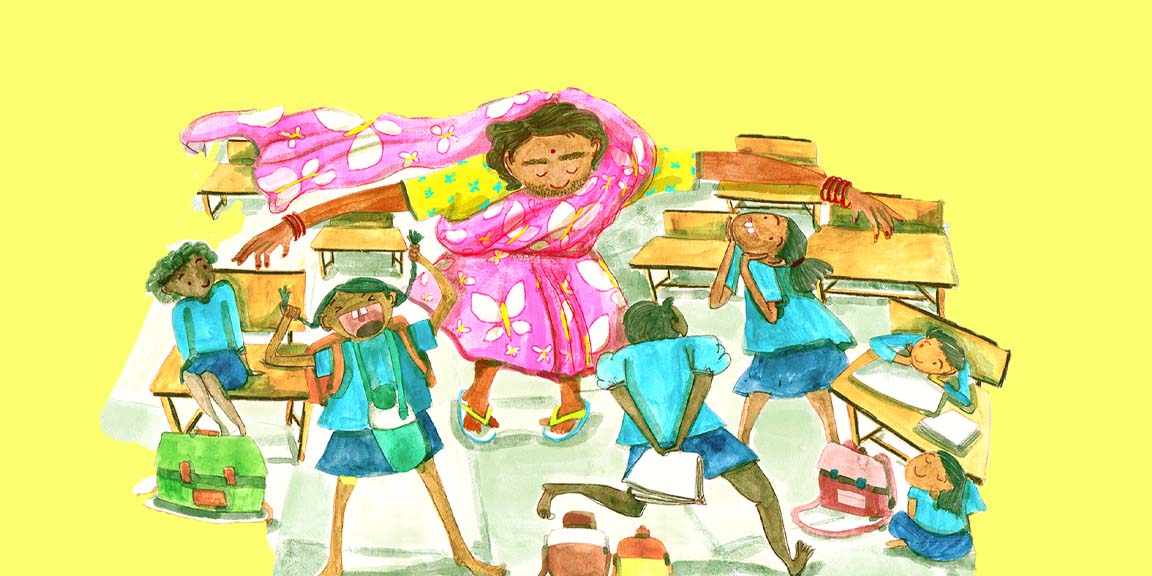
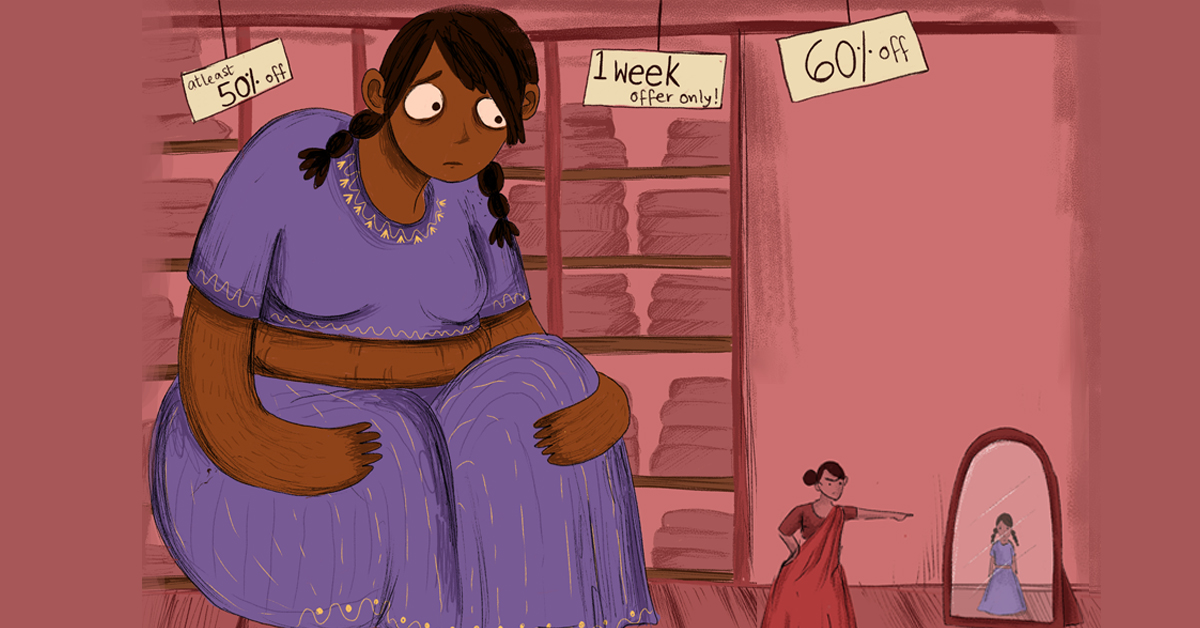
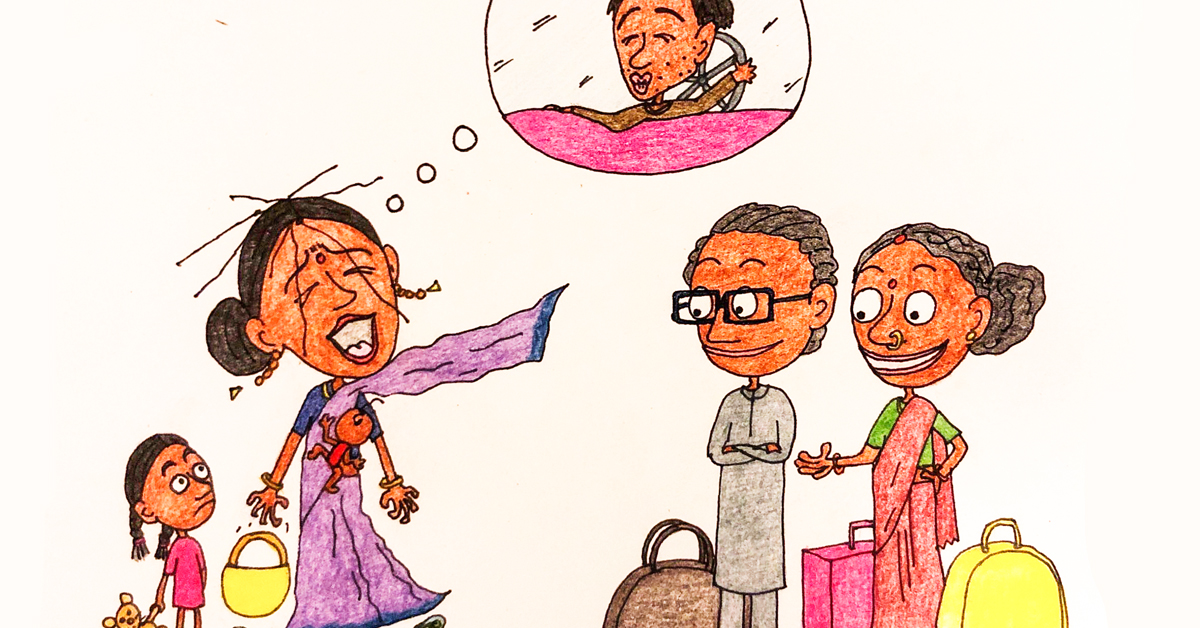
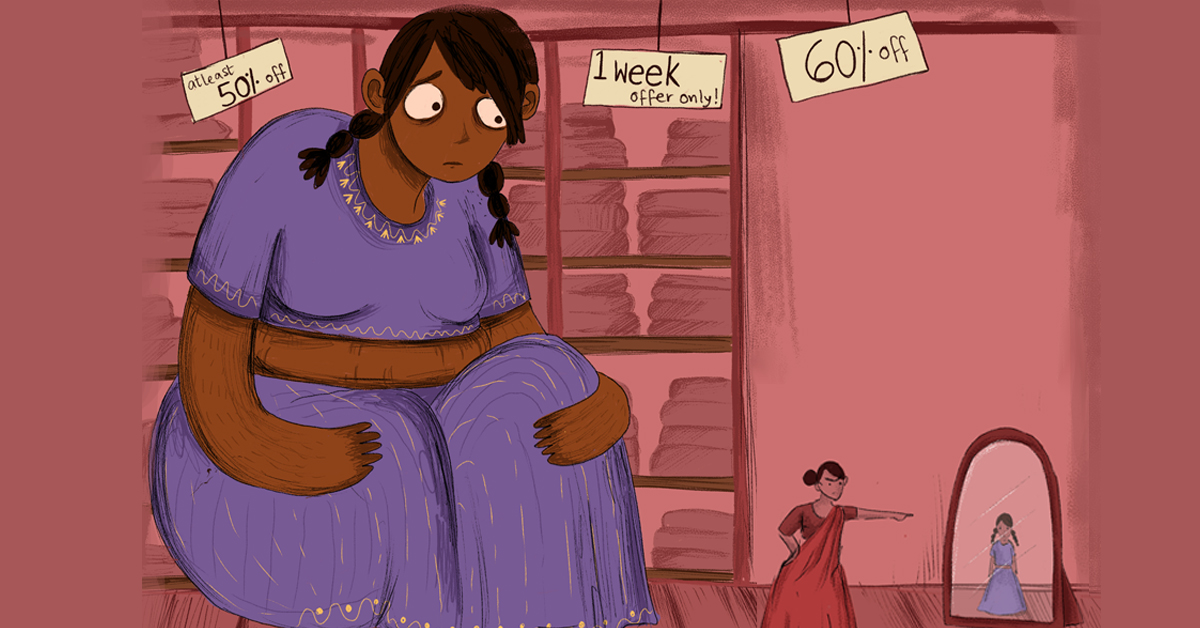
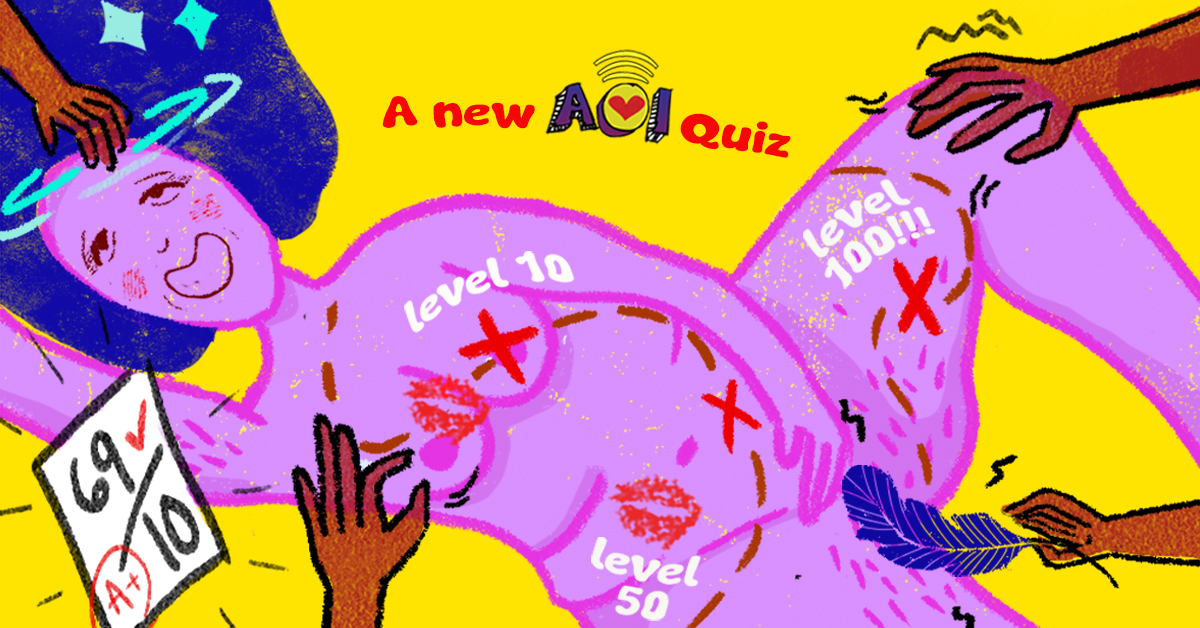
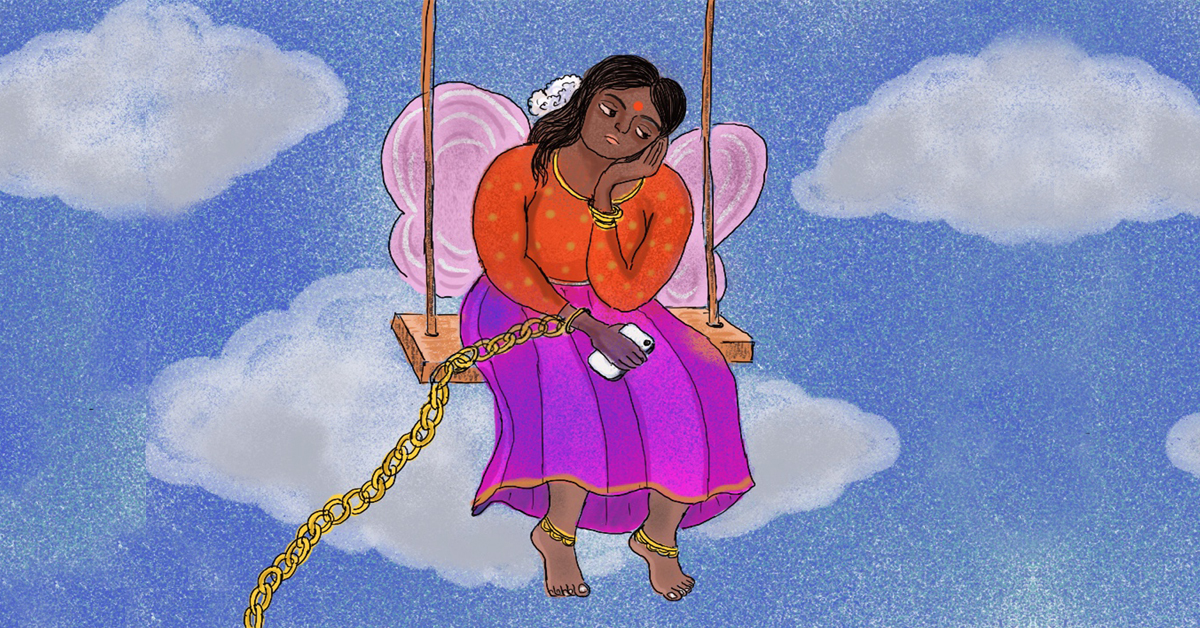
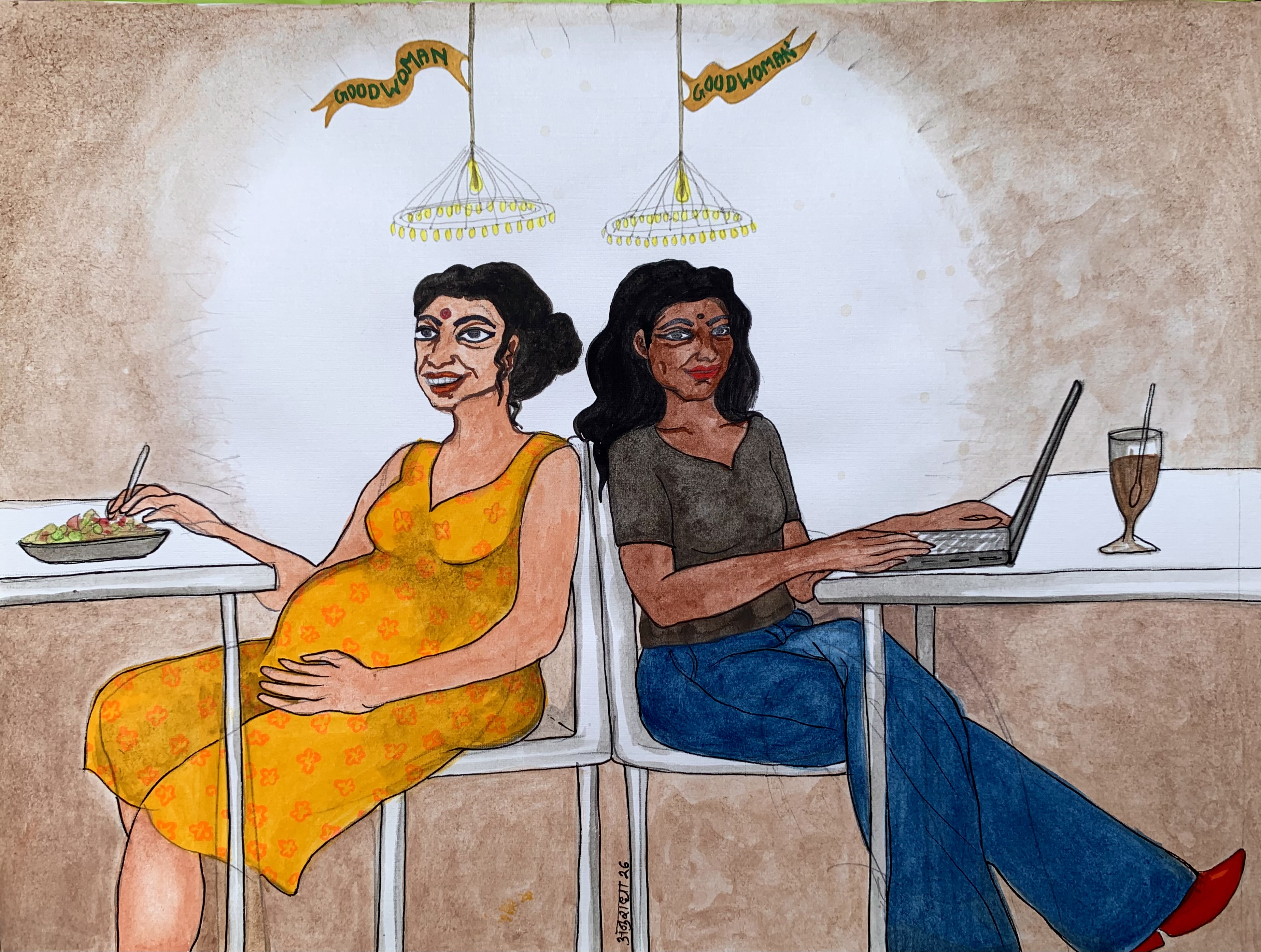
Every society has its own definition of a “good woman”. The Bengali middle-class society I grew up in is no exception. It has a remarkably well-defined life script. You are born, study hard, become a doctor, engineer or teacher, get married, have children, raise them well, grow old surrounded by family, and eventually leave the world having fulfilled every role expected of you. Every milestone quietly earns approval. Every deviation quietly deducts marks.
I was fortunate enough to grow up in a home that encouraged me to think beyond that script. My parents and sister taught me to reason, to think independently. My mind demanded logic where tradition expected obedience.
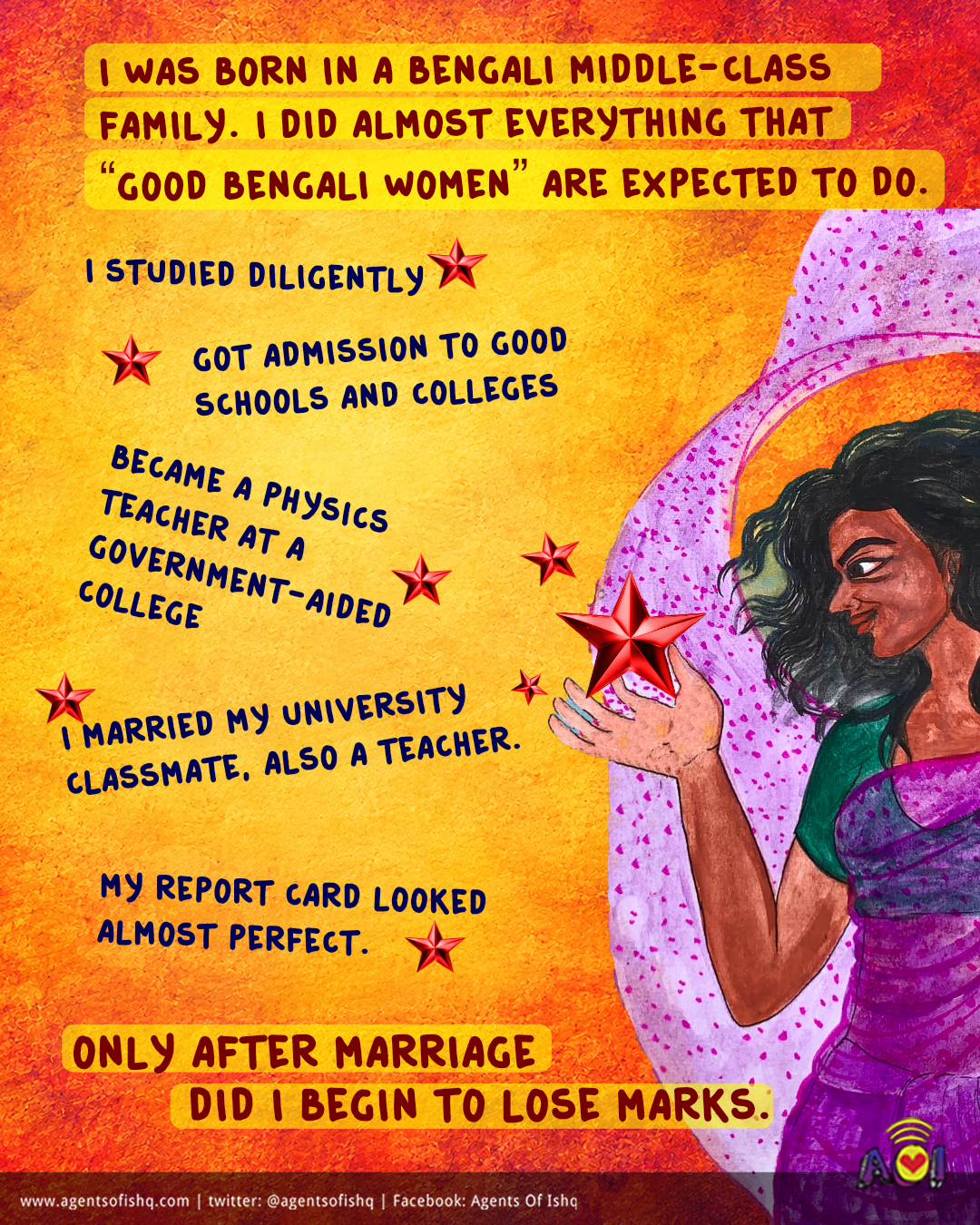
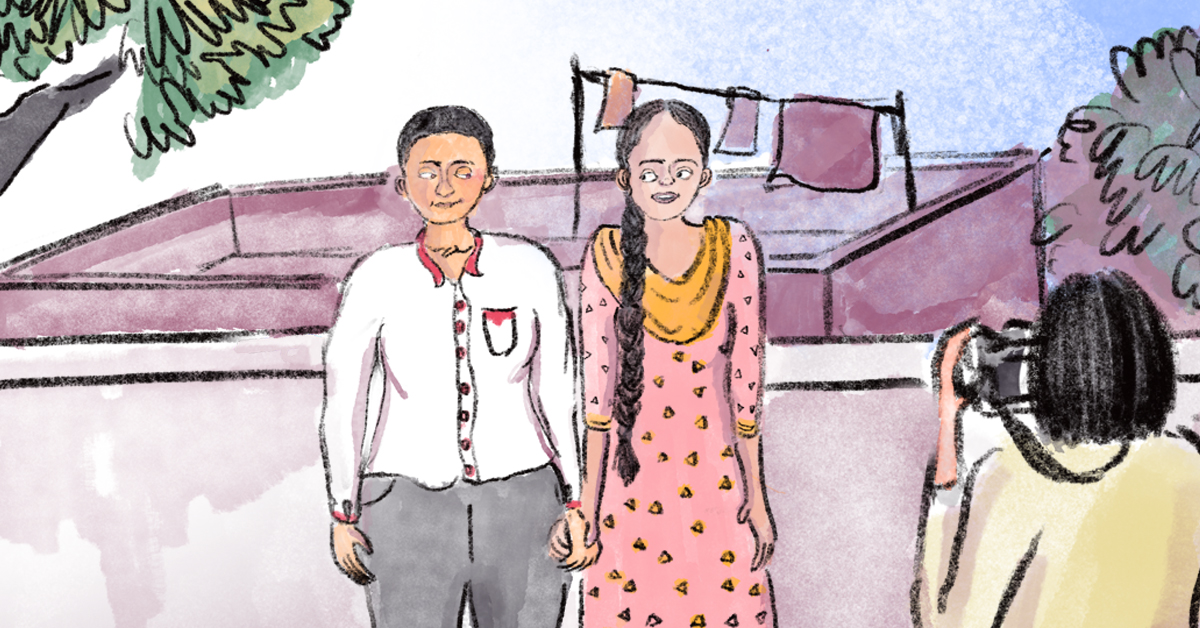
Even so, I largely followed the same script. I studied diligently, secured admission to good schools, colleges and eventually completed my doctoral research. I became a Physics teacher at a government aided college. I married my university classmate, who later became a teacher himself. By every visible measure, I was exactly what society celebrates—a well-educated Bengali woman with a respectable profession and a stable marriage.
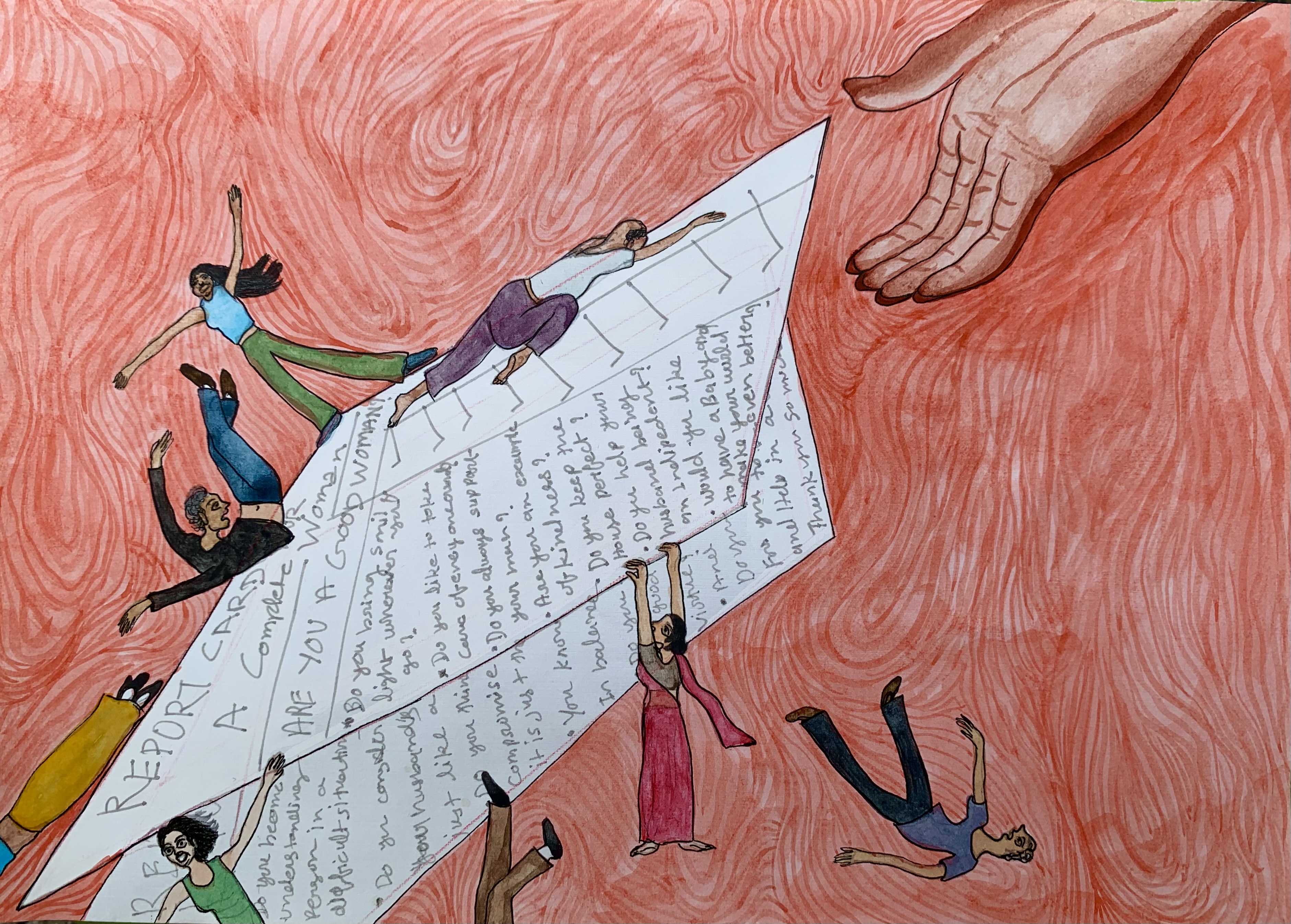
My report card looked almost perfect. I had done everything expected of me, and society rewarded me generously for it. The deductions began only after marriage.
The first signs
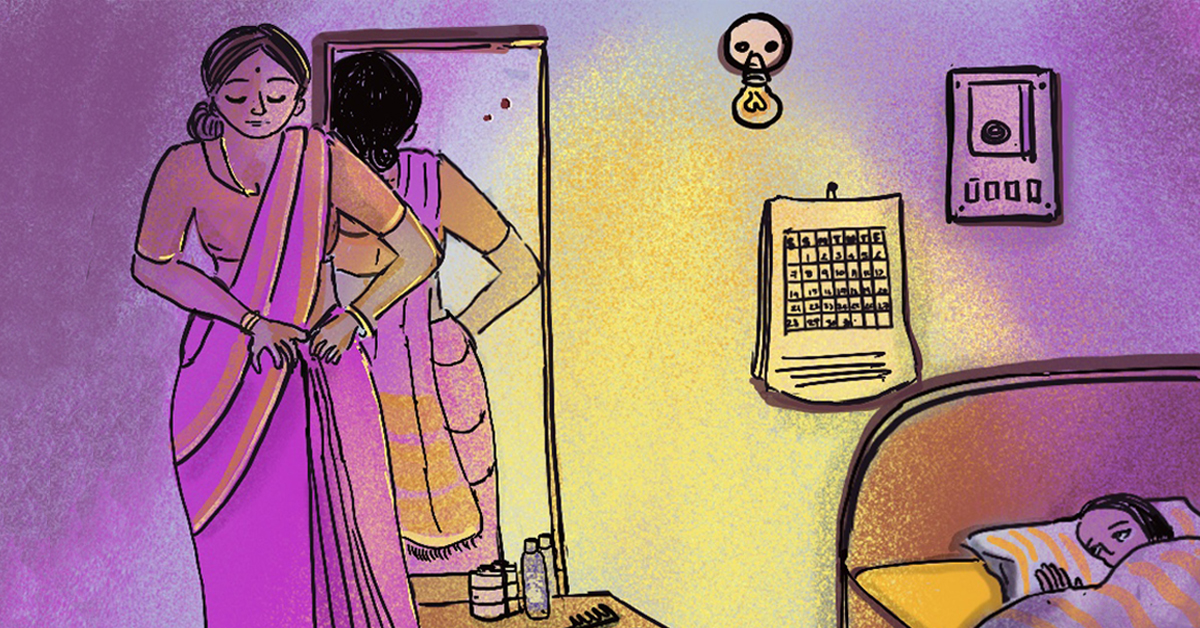
Marriage, I soon realised, did not merely change my address. It changed the criteria by which I was evaluated.
Until then, I accumulated marks effortlessly. I had done everything that society expected of a “good Bengali woman”. Marriage, however, introduced an entirely new syllabus—one I had never consciously signed up for. The first few times my marks were deducted, I wasn’t even aware that I had slipped up.
I have always referred to my parents’ house as home. That is where my life took shape, where my values were formed, and where the people I love most still live. That did not change after marriage.
But when I planned to spend the day of Makar Sankranti there, and not where I lived with my in-laws, people were genuinely surprised. “You shouldn’t leave your own house on Sankranti,” they said.
I paused for a moment before asking, “Do you mean my parents’ house? The place where I grew up? Why is that no longer my home?”
The conversation ended there, but the question stayed with me. Why should marriage redefine the meaning of home? Why must a woman surrender one belonging in order to earn another? I gradually realised that asking why is often interpreted as refusing to comply.
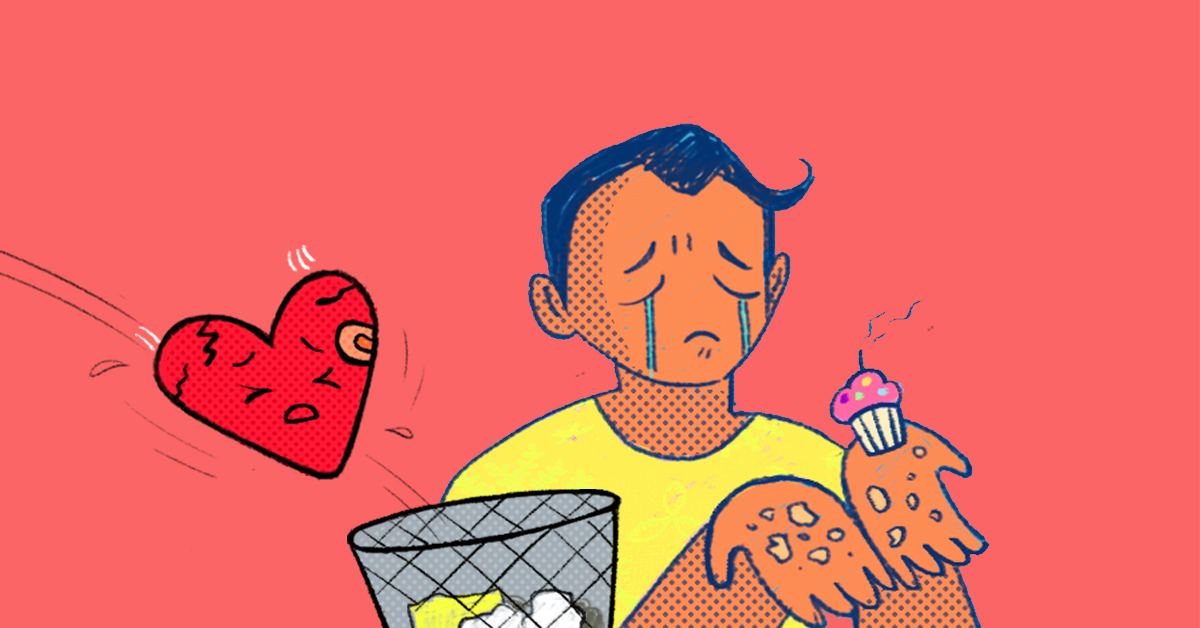
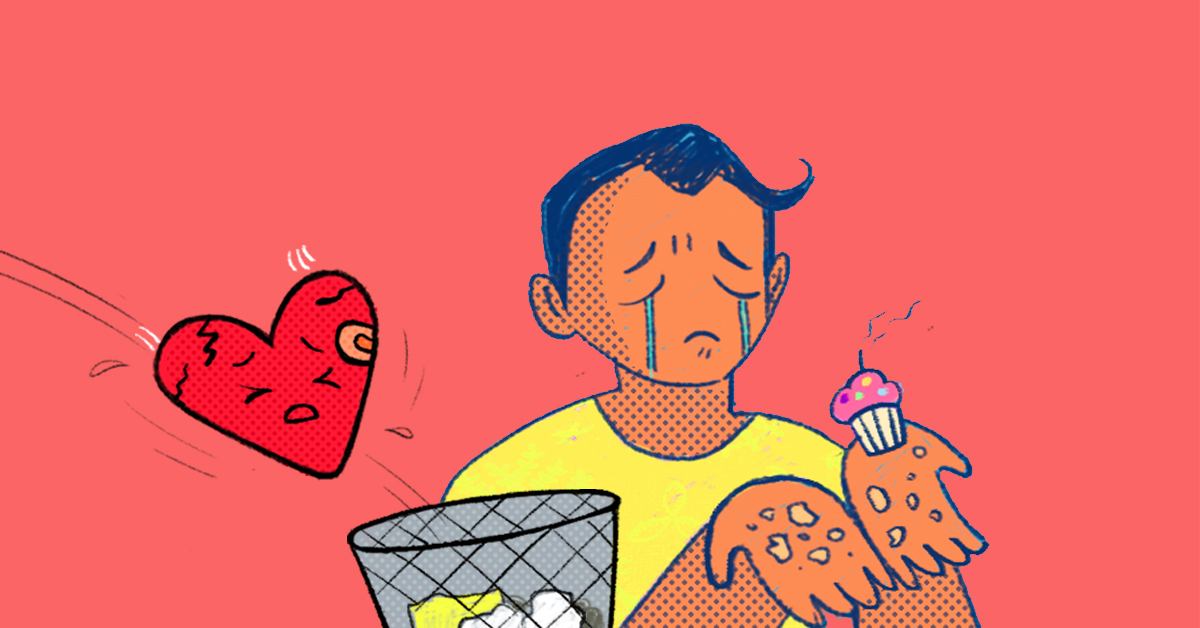
The report card recorded another deduction.
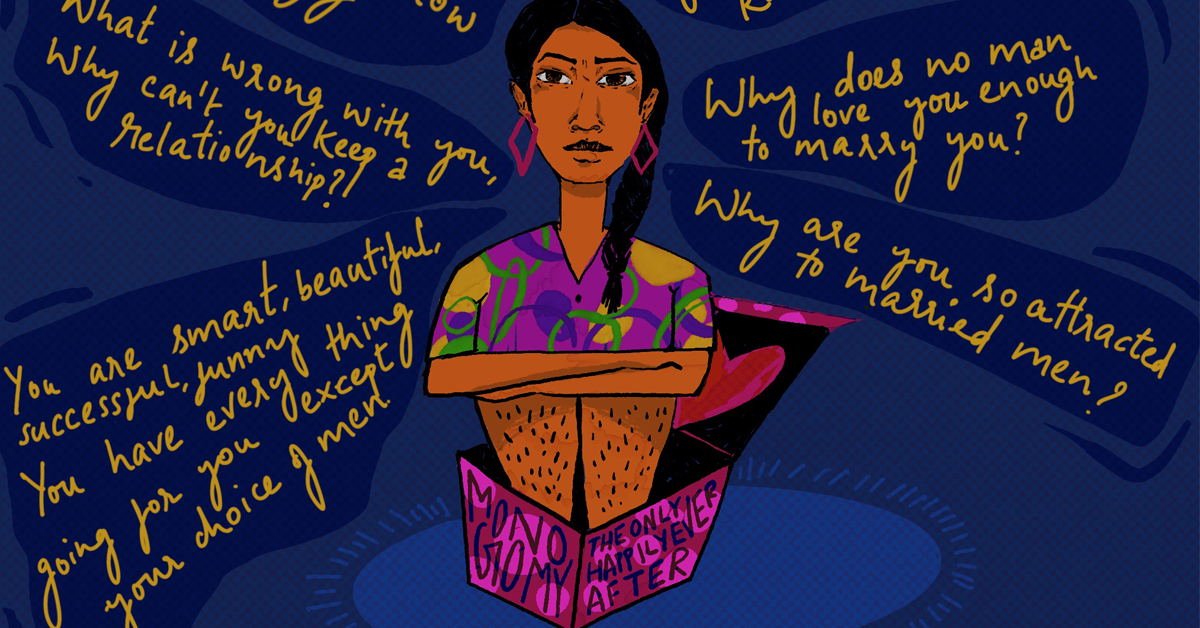
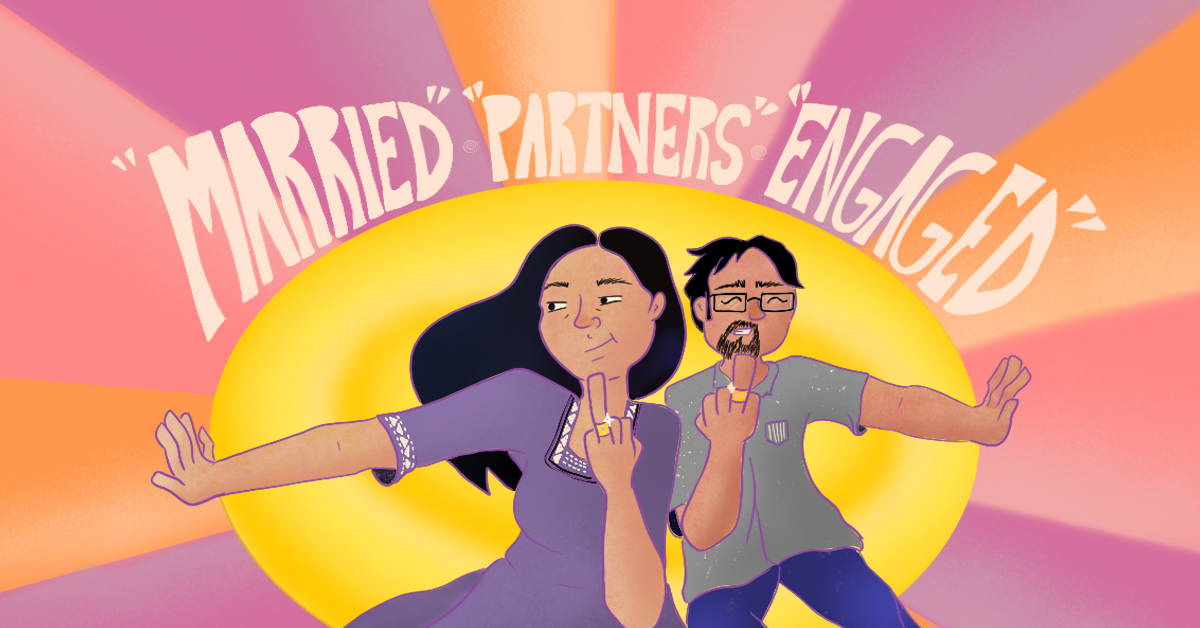
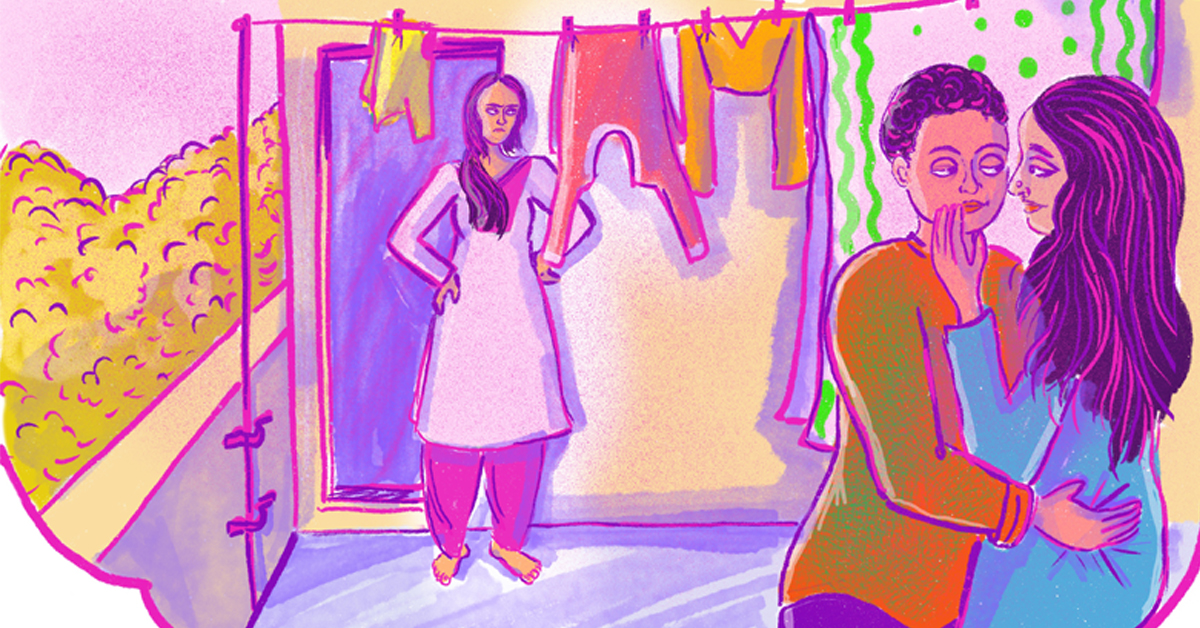
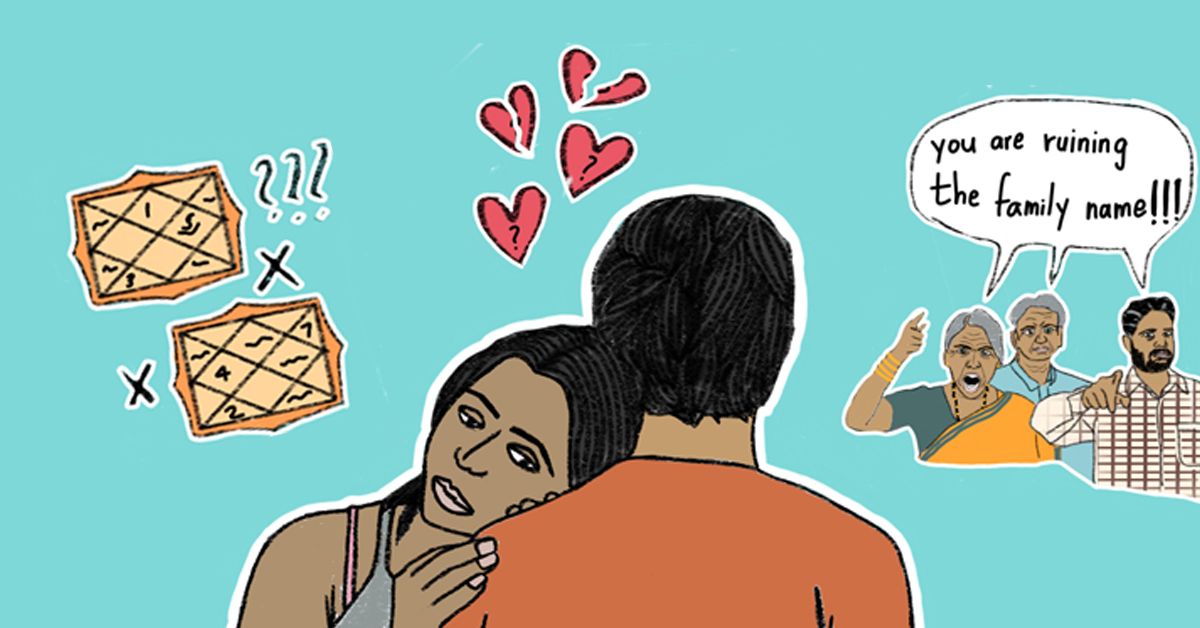
There were other expectations that never quite made sense to me. I never felt comfortable wearing sindoor or the traditional bangles associated with marriage. Not because I was opposed to them, but because I never believed that symbols could determine the strength or safety of a relationship. My husband’s well-being could not possibly depend on whether I wore vermilion in the parting of my hair. Once, someone remarked with genuine astonishment, “It’s impossible to tell that you’re married.” Without thinking much, I replied, “I didn’t get married so that strangers could know I was married. Marriage is a deeply personal part of my life, not my public identity.”
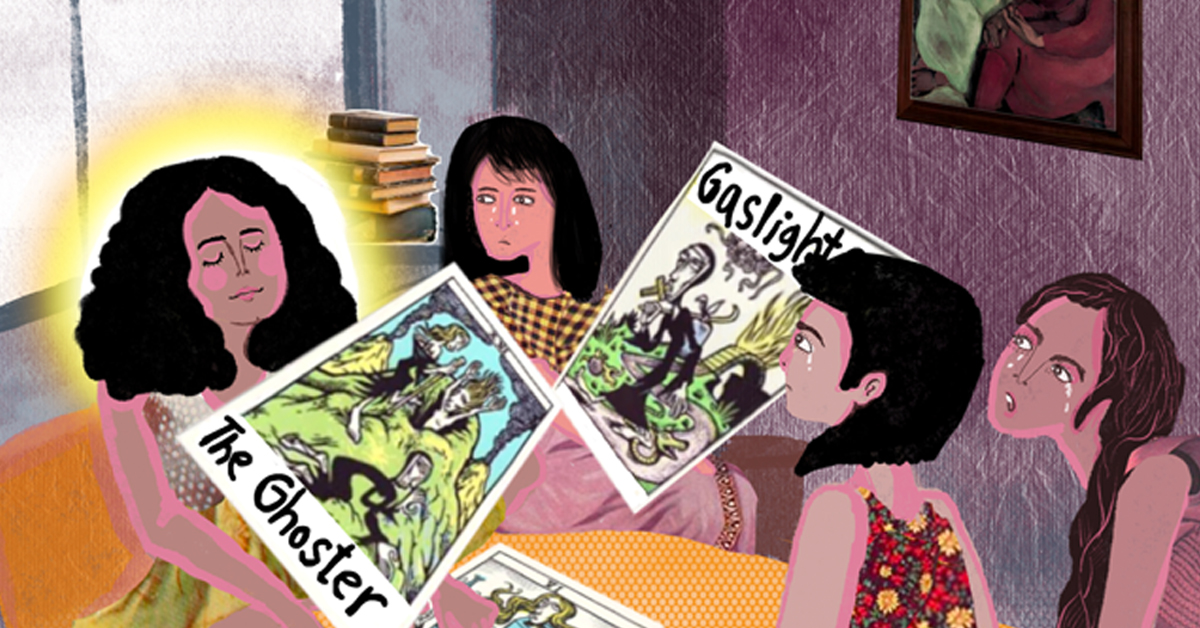
Only much later did I realise what these seemingly ordinary conversations revealed. Every time I questioned a custom instead of following it unquestioningly, another invisible mark was deducted. I was no longer being evaluated for my education, my profession or my character. I was being evaluated for how convincingly I performed the role of a married woman.
I had no idea that the greatest deduction was still to come.
Failed
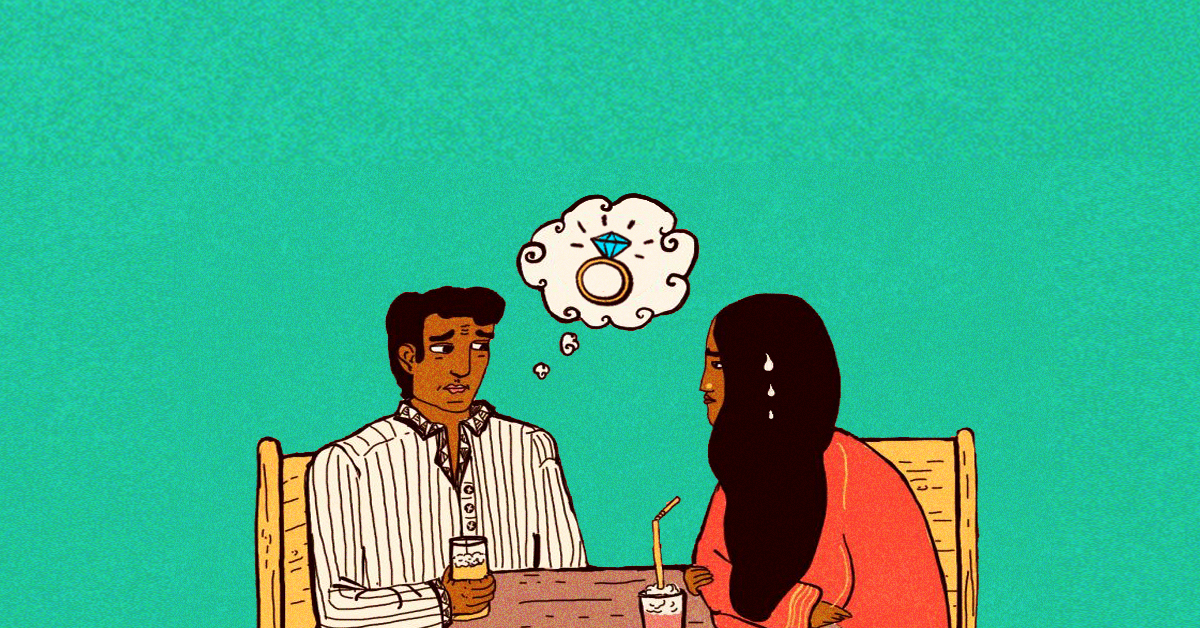
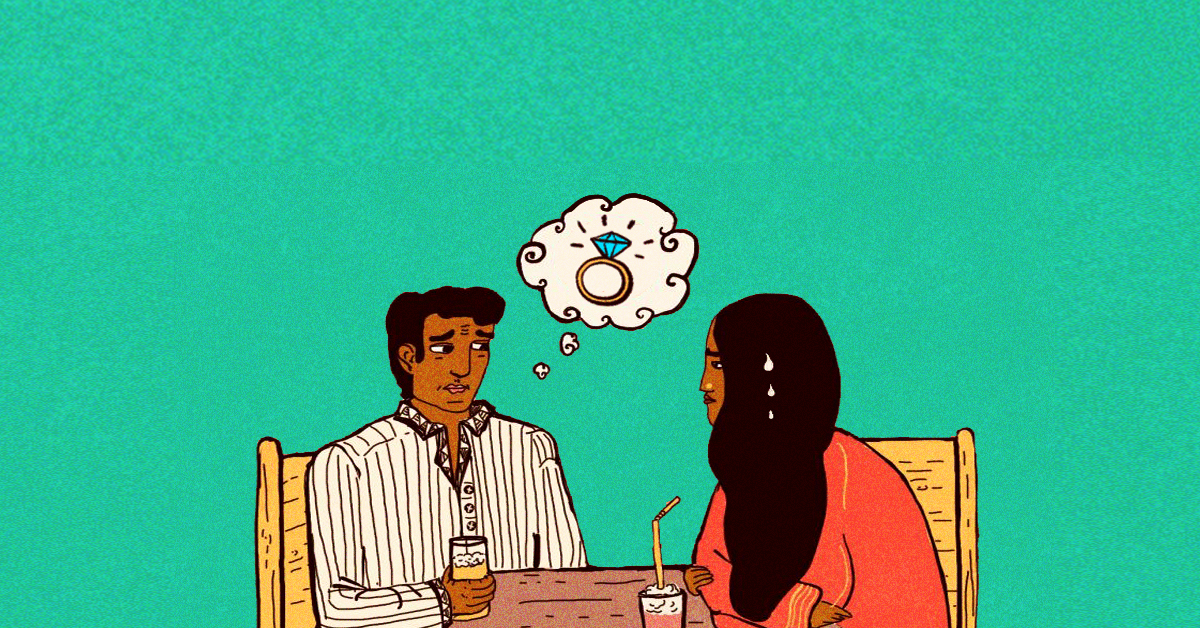
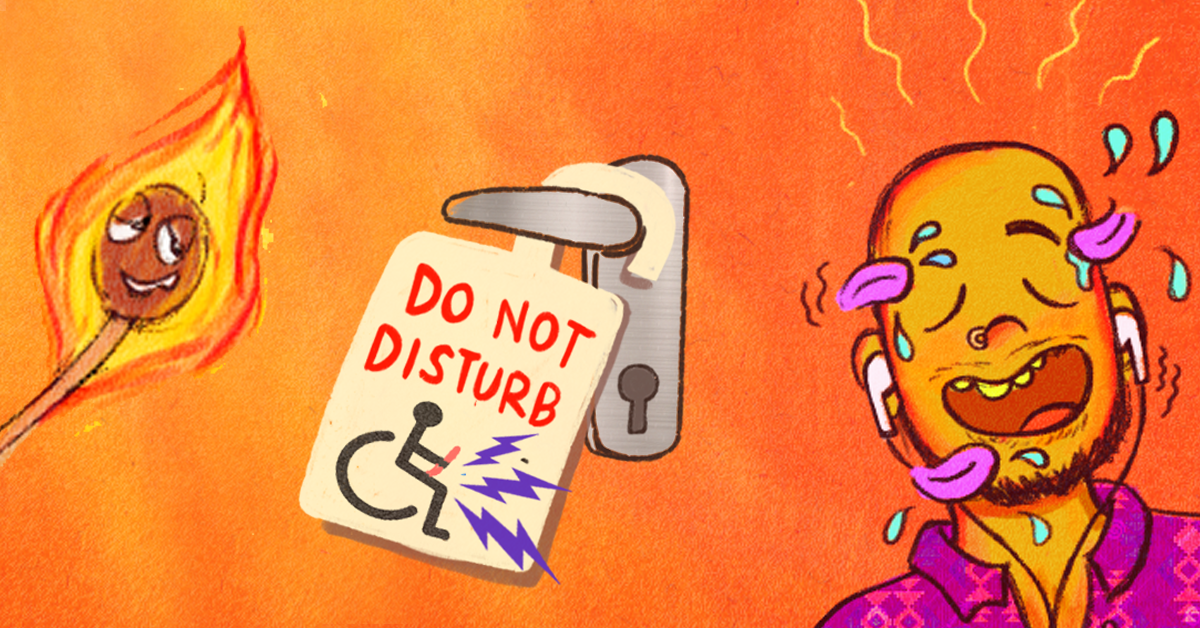
The deductions eventually became so frequent that, before I realised it, I had failed the examination altogether. The reason was painfully simple—I could not conceive.
Like countless other women, I grew up imagining marriage and motherhood as inseparable parts of my future. Looking back now, I realise that not every dream is born within us. Some are handed to us by the society we grow up in. We inherit them long before we are old enough to ask whether they are truly ours. Motherhood, for me, was one such dream.
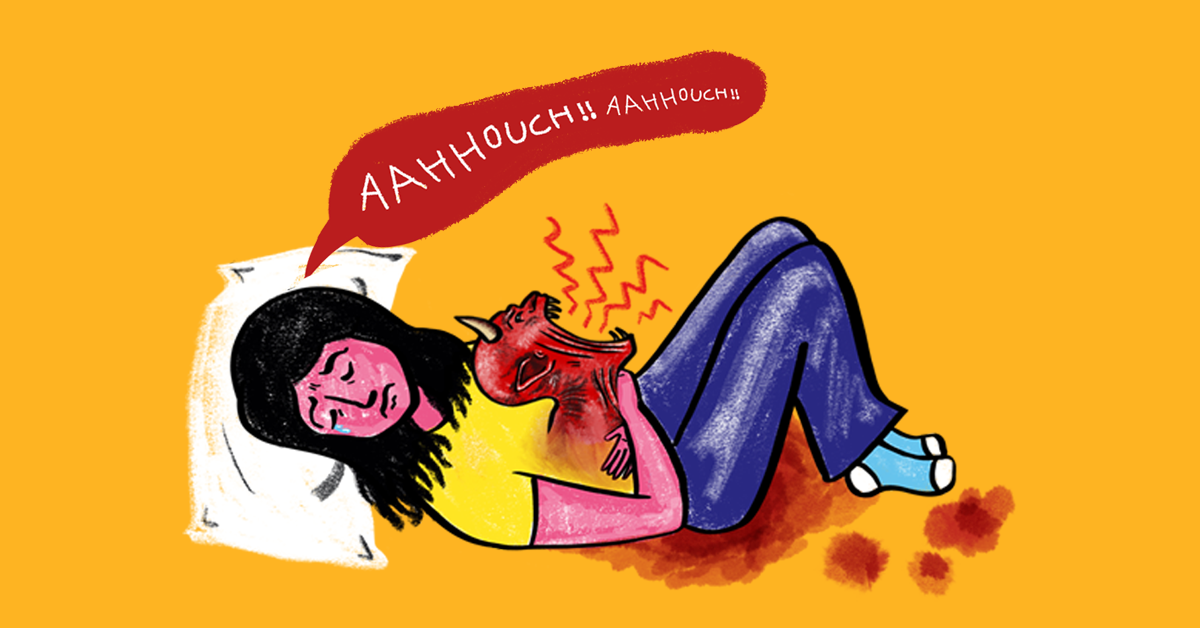
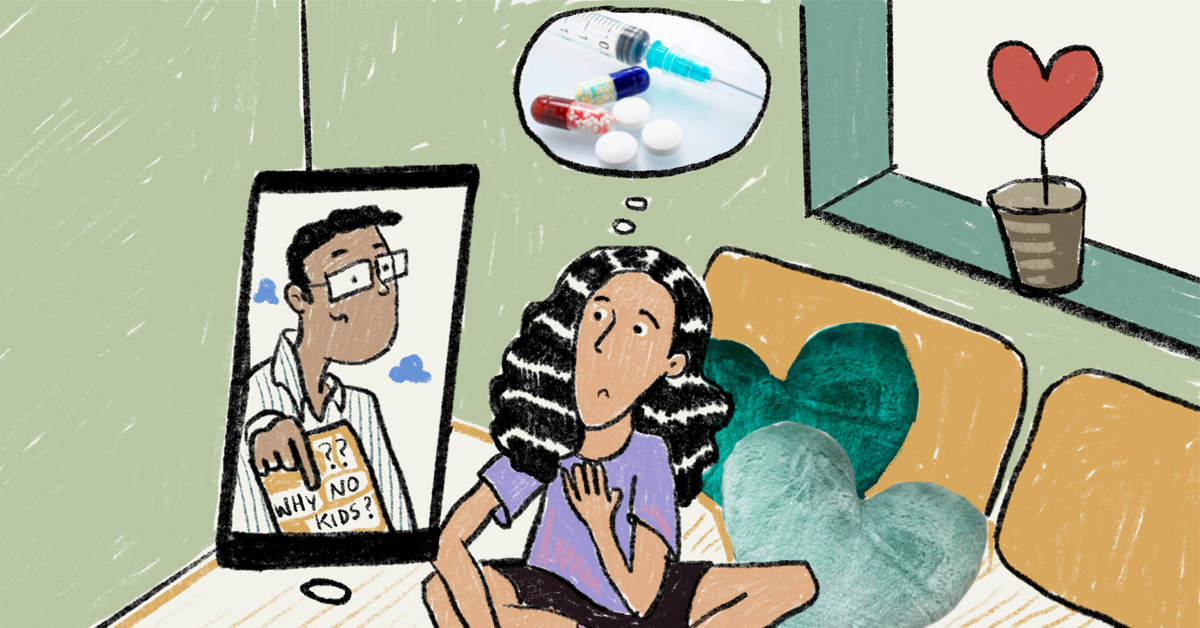
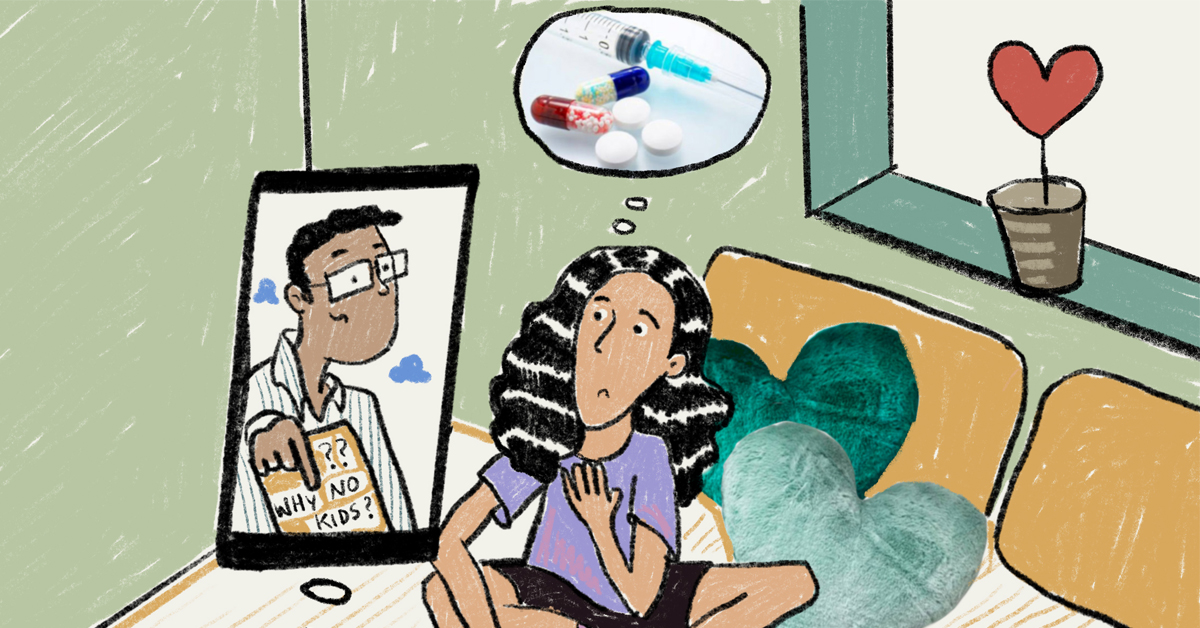
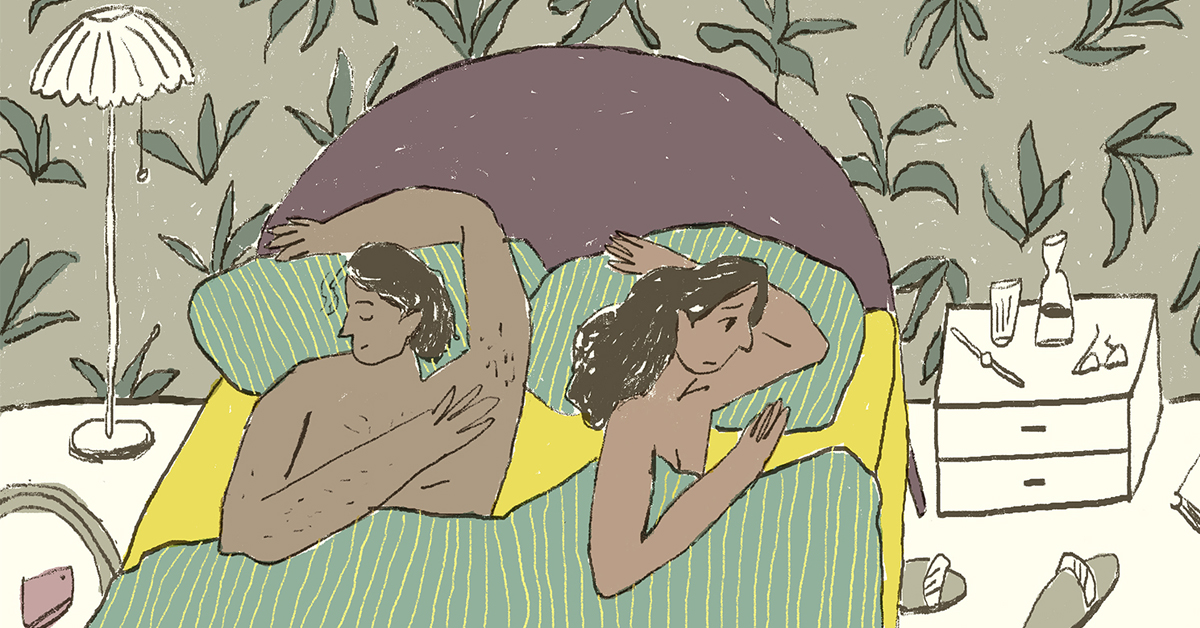
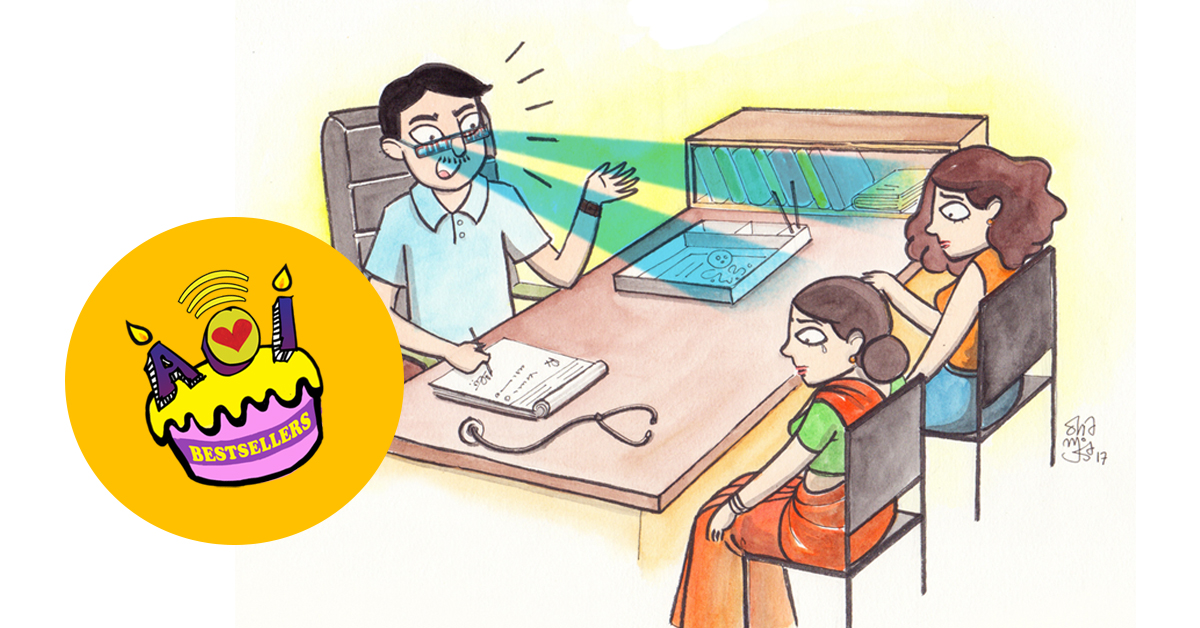
When it did not happen, the loss was devastating. Like many couples, we sought medical help. We tried intrauterine insemination. The treatment involved multiple hormonal injections into my abdomen, each one preparing my body for a possibility that never materialised. The physical discomfort was manageable; the emotional uncertainty was far more difficult.
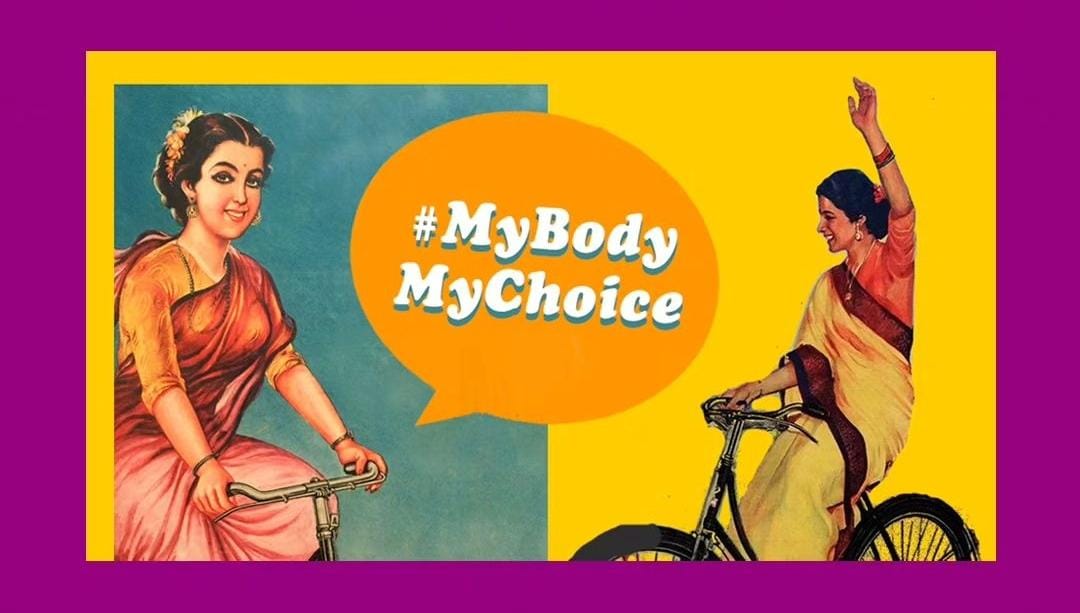
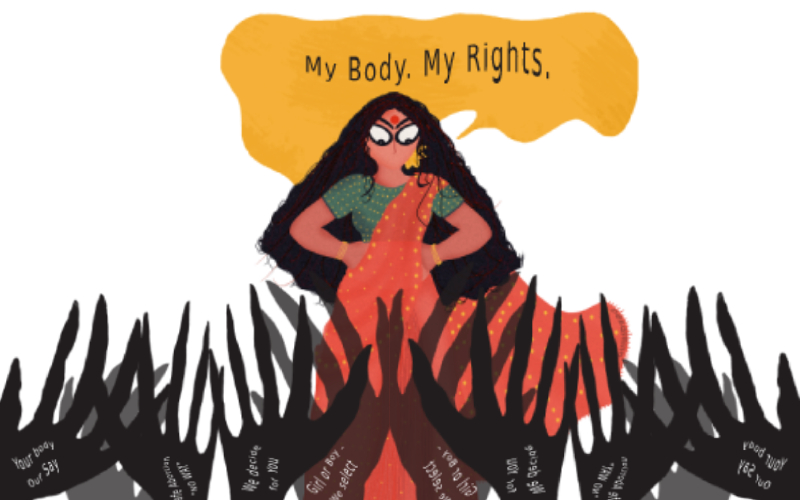
When the treatment failed, IVF was suggested as the next step. I read extensively about the procedure. The more I learnt, the clearer it became that I was unwilling to put myself through another cycle of physical and emotional exhaustion. I said no. To his credit, my husband stood firmly beside me. I believed that decisions involving physical pain and medical intervention were mine to make. My body could not become a matter of collective opinion. It remains one of the decisions for which I have never apologised.
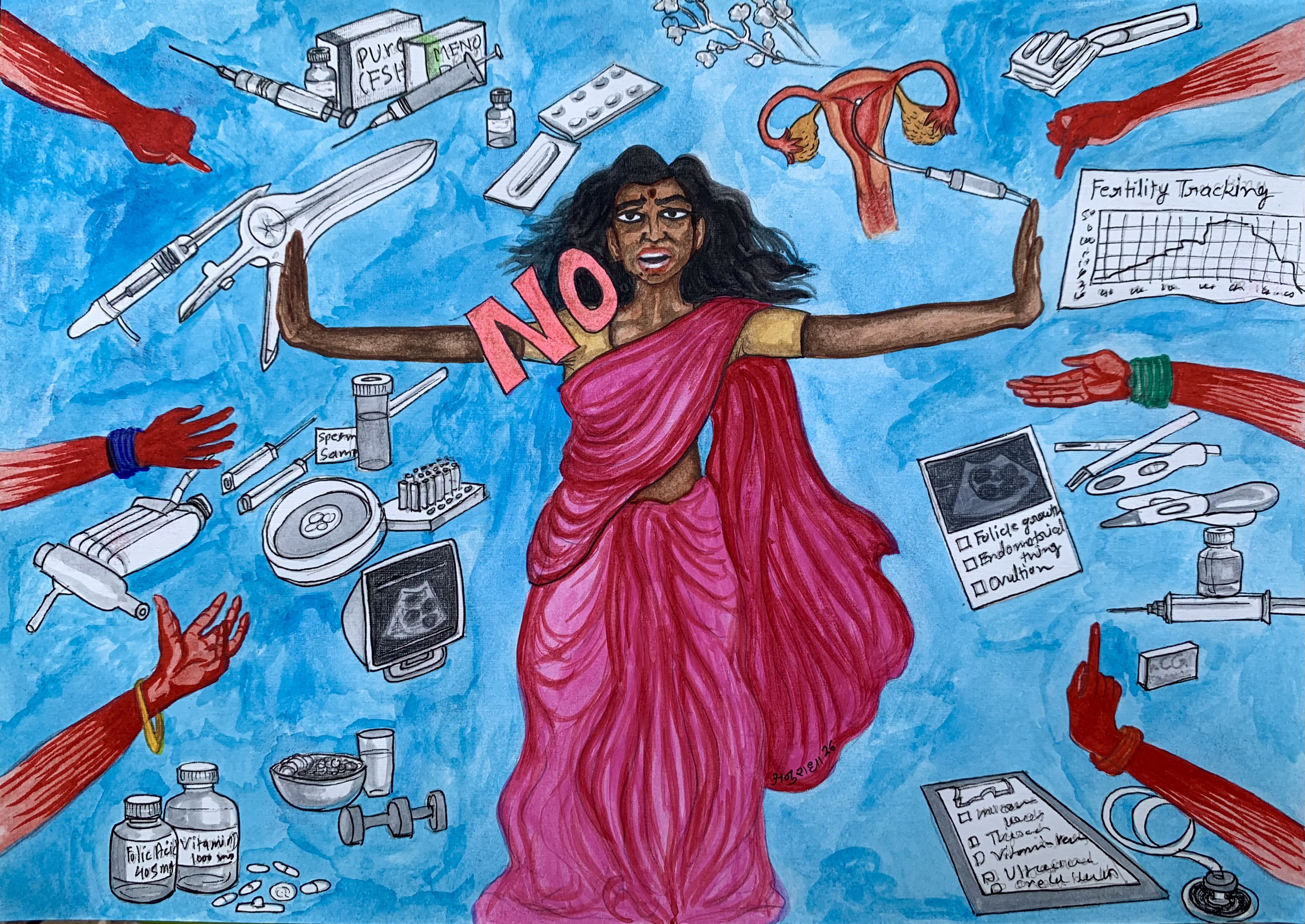
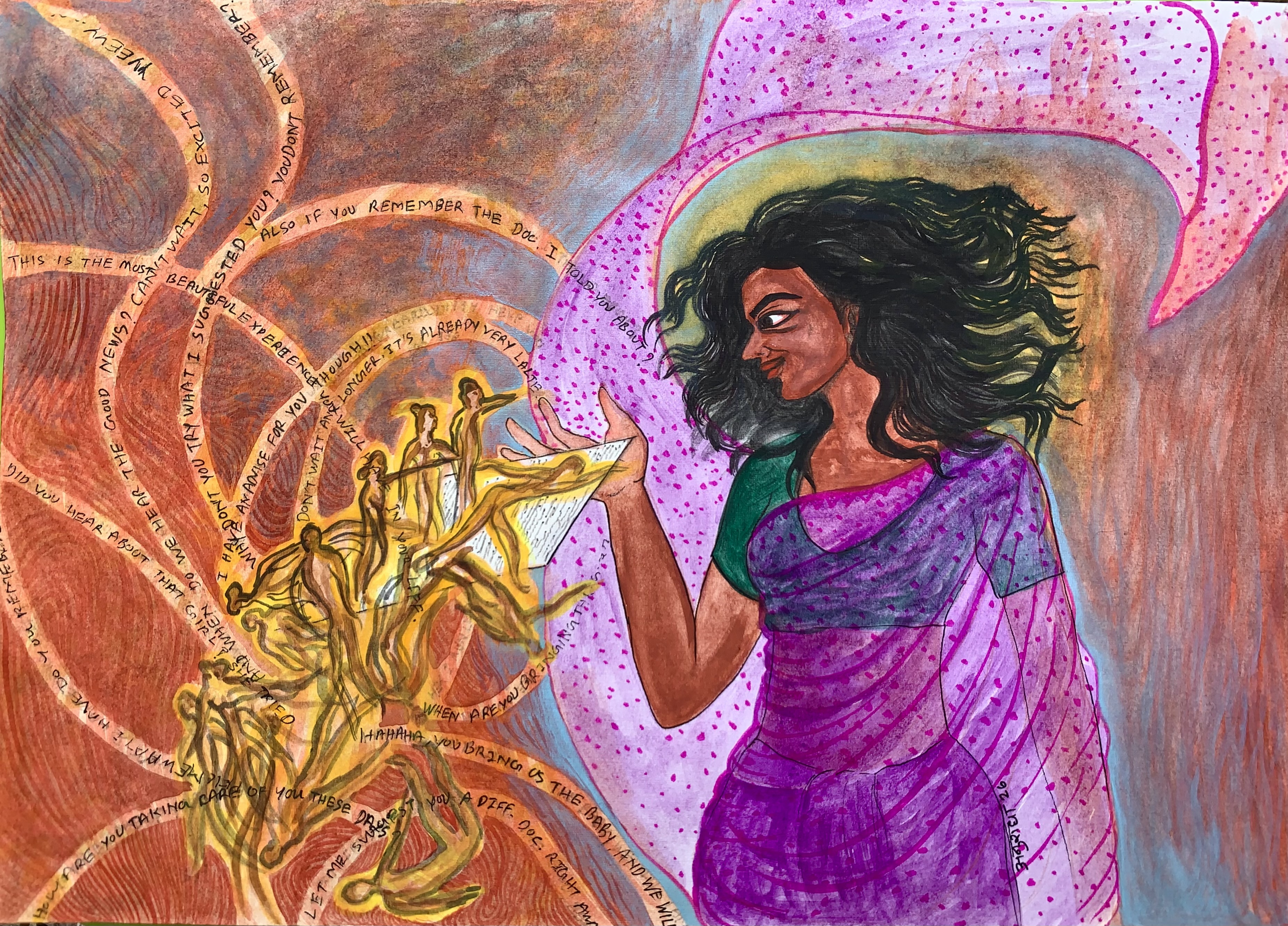
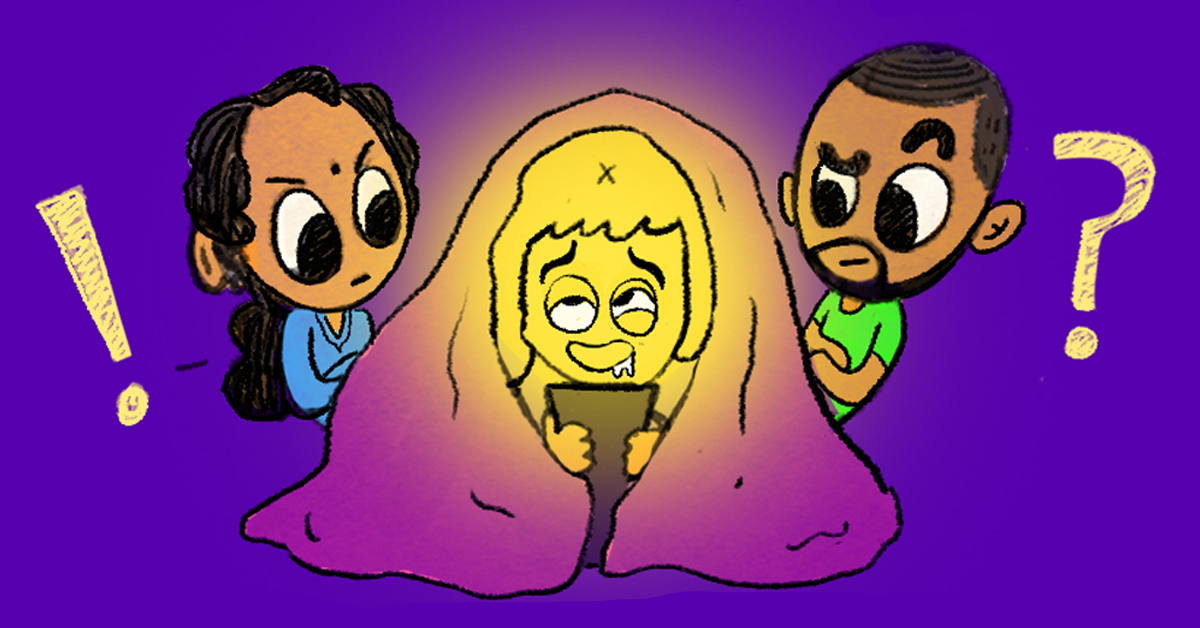
What followed, however, was far more difficult than the treatments. People rarely allow childlessness to remain a private sorrow. Questions arrived first.
“When are you planning to have children?”
“Have you consulted the right doctor?”
“You should really consider IVF.”
“Why are you scared of a little pain? Motherhood demands sacrifice.”
“How will you spend your life without children?”
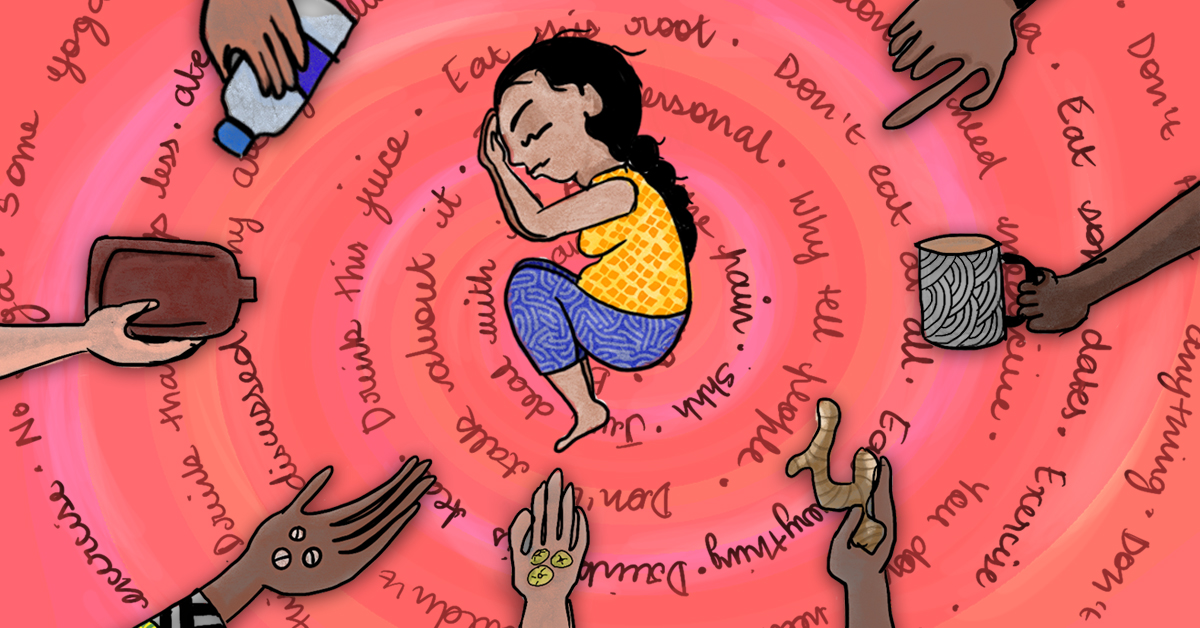
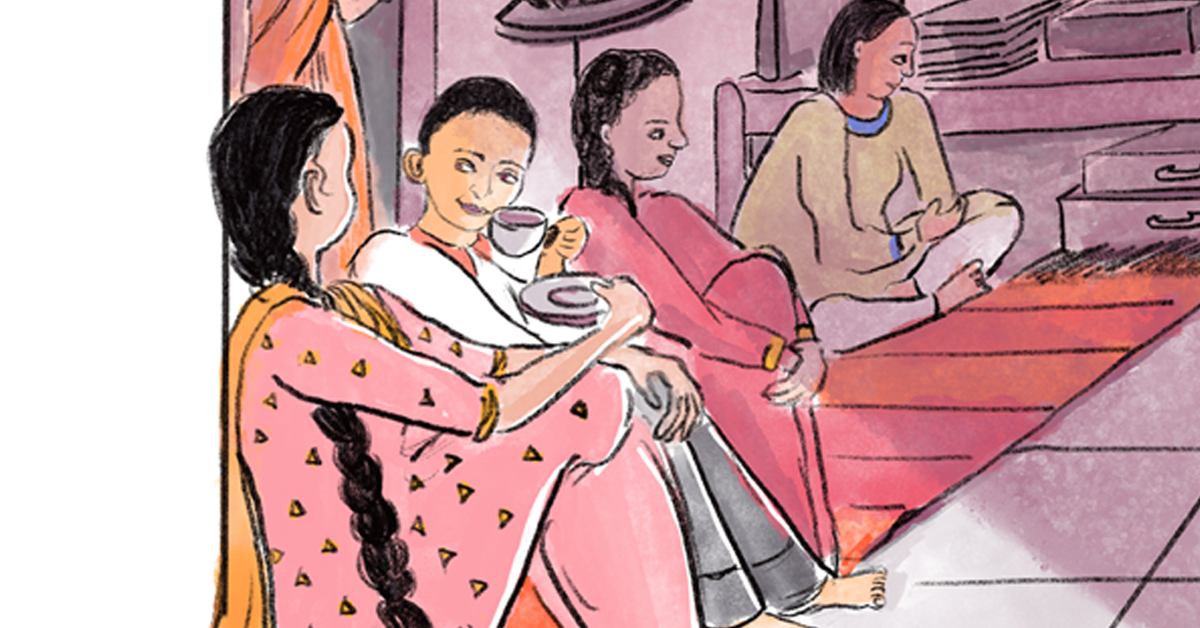
Advice followed effortlessly, often from people who knew very little about my life but felt entitled to comment on it. Someone once invited me to a Navaratri Puja, assuring me that the priest would pray for my womb. Others enthusiastically narrated stories of successful IVF pregnancies, miraculous recoveries or distant relatives who eventually conceived after years of waiting. Every conversation, however well intentioned, reminded me of the one thing I was desperately trying to escape.
Grief attracts an audience. Some people genuinely wish to help. Some simply do not know what to say. Others are unable to resist offering solutions. Very few understand that some grief asks not for advice, but for silence.
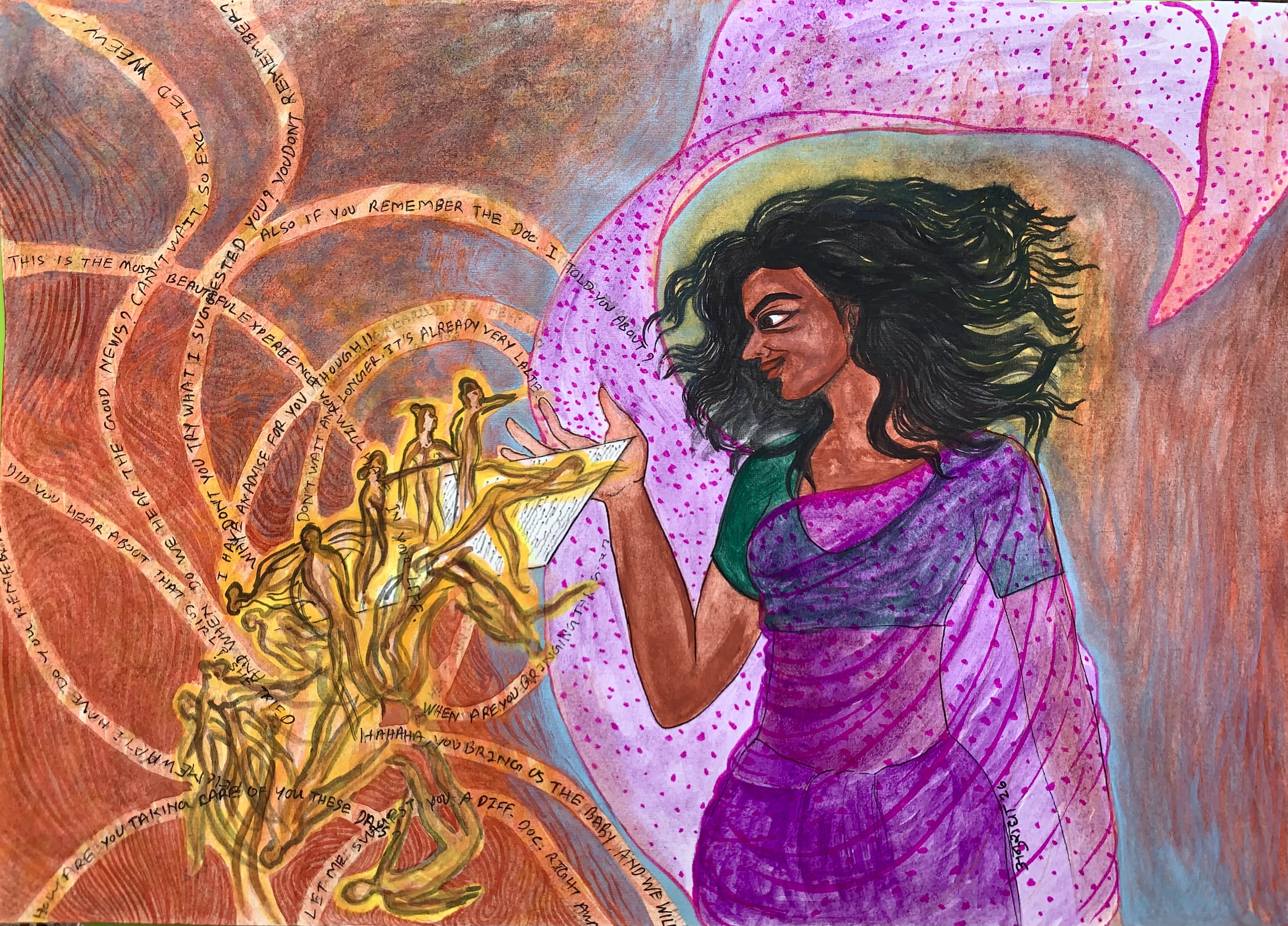
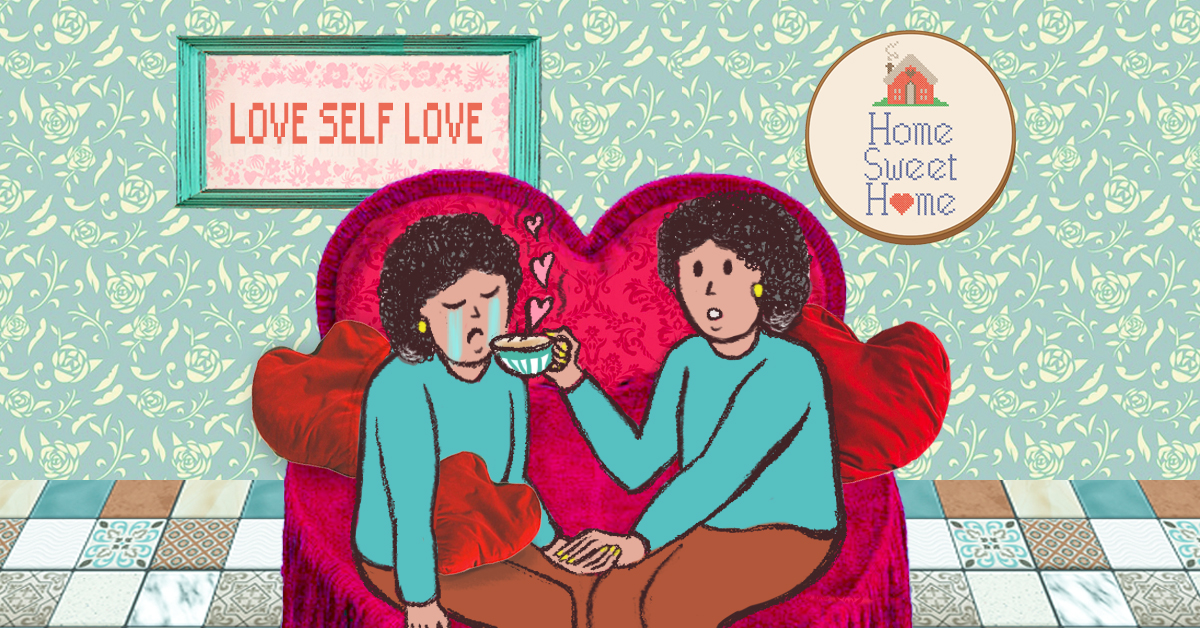
These conversations were not only directed at me. My husband heard many of them too. But there was a difference in tone, frequency and expectation. Society may describe infertility as a couple’s struggle, yet it continues to treat it as a woman’s responsibility. Her body becomes public property. Her decisions become open for discussion. Even her grief is expected to satisfy public curiosity.
The pressure eventually seeped into every corner of my life. We even applied to adopt a child, hoping perhaps that another path to parenthood might open up. It didn’t. Family circumstances closed that door too.
Those years reshaped parts of me I wish had remained untouched. There came a time when seeing a pregnant woman or hearing that someone was expecting filled me with a sharp, almost unbearable pain. I dreaded conversations about children because I knew exactly where they would lead. I slowly lost the ability to celebrate other people’s happiness.
I am not proud of that version of myself. But I have the courage to acknowledge that she existed. That is what prolonged, public grief does to people. It narrows their world until every joy begins to resemble a reminder of their own loss. Life, however, has a remarkable way of insisting that it must continue. Some mornings, getting out of bed felt like an achievement. I went to work, taught my classes and fulfilled my responsibilities almost mechanically. I was functioning, but I was no longer living.
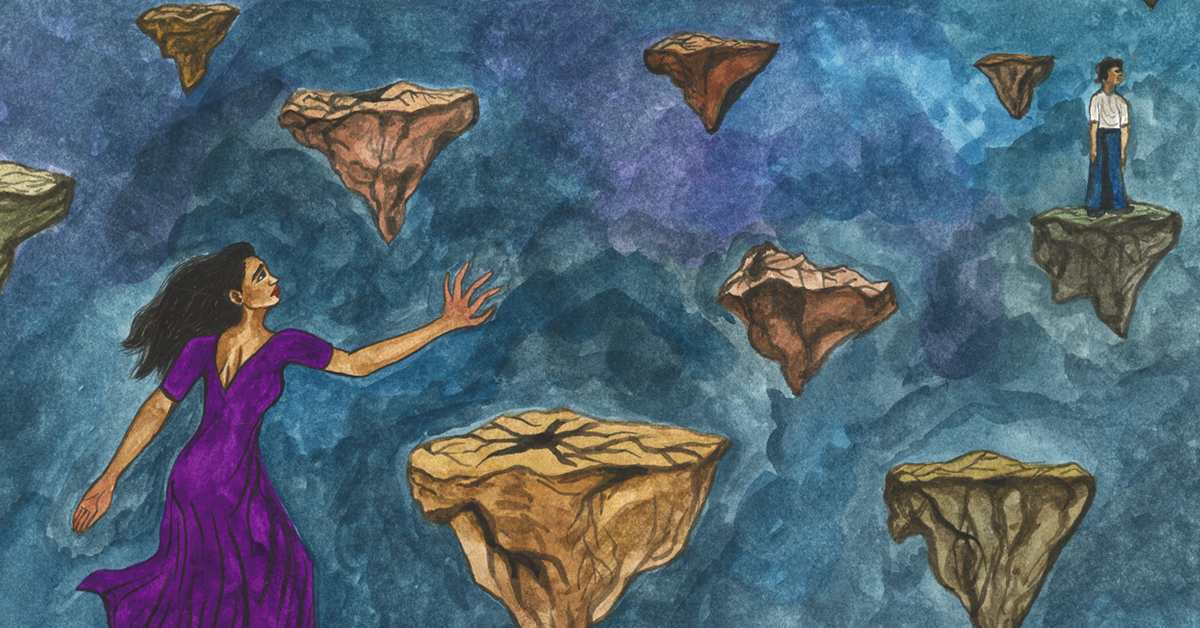
Then, one day, something shifted. I decided that if life refused to follow the script I had been given, perhaps it was time to stop memorising someone else’s script altogether.
Leaving the examination hall
The first step was surprisingly small.
“No, I don’t have children,” I began telling people, without hesitation.
The first few times, those words felt unbearably heavy. Saying them aloud meant accepting a reality I had spent years resisting. But I gradually realised that if I could not hear the truth without flinching, I could hardly expect other people to treat it as ordinary. The more honestly I owned my life, the less power the question held over me.
One day someone casually complained about the pain of Caesarean-section injections and asked, “You know how painful they are, right?” For the first time, I didn’t feel hurt. Instead, I smiled and replied, “Sorry to disappoint you, but that’s an out-of-syllabus question for me.” The conversation ended with laughter.
Something inside me had shifted. That was the moment I realised I was no longer trying to hide my life from anyone. More importantly, I was no longer hiding it from myself.
Acceptance creates space for new possibilities. As I slowly let go of the life I had imagined, I found myself discovering the life that had quietly been waiting for me all along. For the first time, I began asking not, “What have I lost?” but “What has this life made possible?” The answers surprised me.
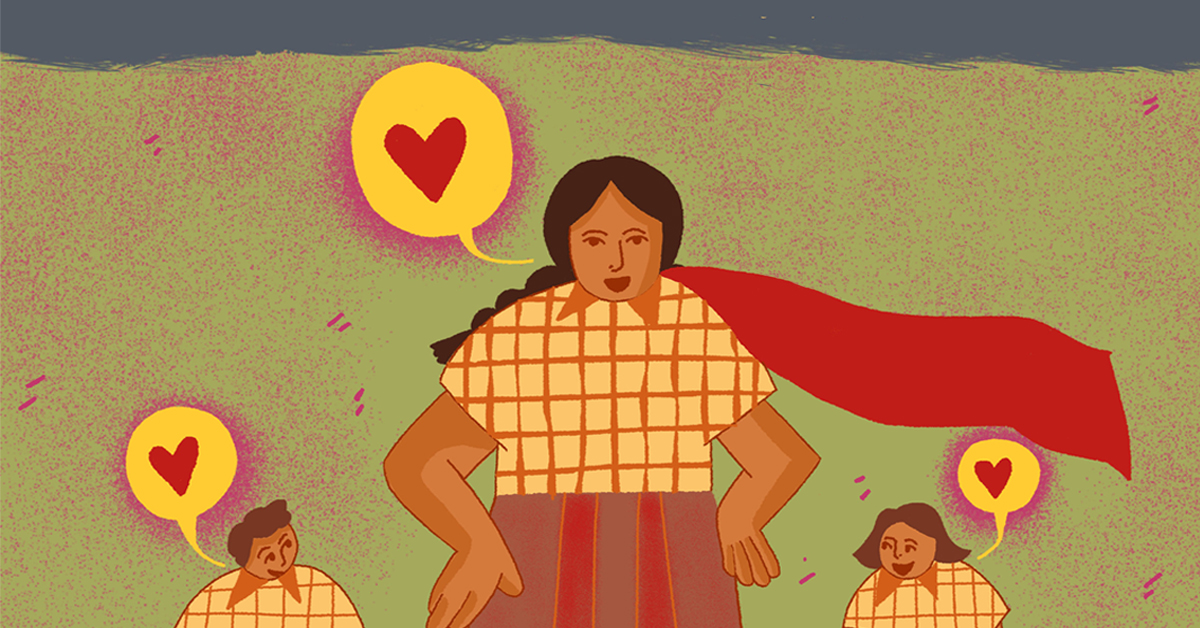
It gave me the freedom to remain the centre of my own life.
For generations, women have been taught that their worth lies in how completely they can place themselves second—to their parents, their husbands, their children and, eventually, everyone else. Somewhere along the way, selfhood begins to feel like selfishness.
I no longer believe that. Choosing myself does not mean I love others less. It simply means I no longer disappear while caring for them.
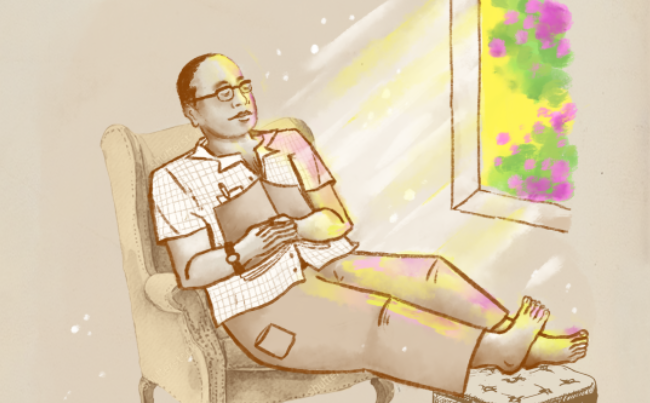
I discovered, for example, that mornings belong entirely to me.
Instead of rushing a child to school, I begin the day with books, music or exercise. My evenings are filled with reading, writing and learning rather than the relentless rhythm of responsibilities that accompany parenthood. I can decide, almost impulsively, to leave for a road trip, spend a weekend in the mountains or simply sit with a book without constantly feeling guilty that someone else needed me first.
Children permanently reorder a person's priorities. Many parents speak about their children with immense love, but woven into that love is an exhaustion they rarely allow themselves to acknowledge.
"I would have loved to join you, but my daughter has exams."
"I haven't eaten yet—I had to feed him first."
"Maybe after the Board exams."
These are ordinary sentences. We hear them every day. They are spoken affectionately, often with a smile. Yet beneath them lies the reality of a life that constantly asks someone to postpone herself.
I think our society does women a disservice by pretending that this fatigue doesn't exist. A mother is expected to sacrifice parts of herself without ever mourning what she has quietly given away. She is expected to love so completely that even acknowledging the weight of that responsibility feels like failure. Perhaps that is why guilt becomes such a constant companion for so many women.
Watching this from outside made me realise I did not want to build a life in which I constantly rearranged my own existence around everyone else's.
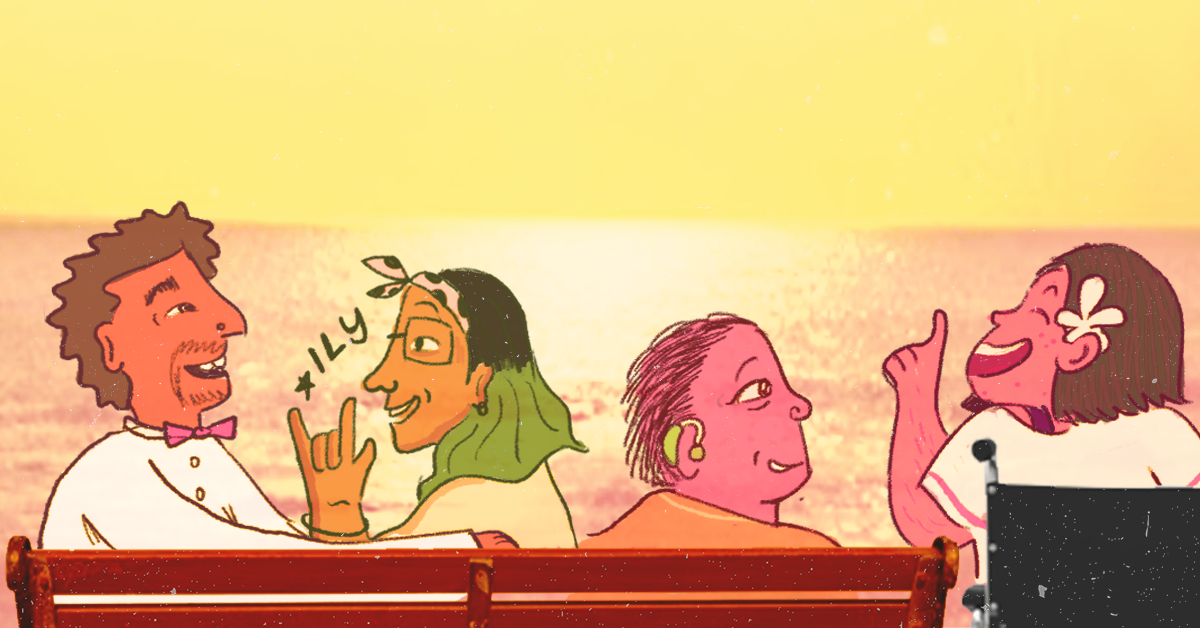
It did not make me less compassionate. If anything, it made me more humane. The woman who once struggled to look at a pregnant stranger without feeling pain now finds herself smiling at her with genuine happiness. I celebrate the joy of new parents without comparing it to my own life. Their happiness no longer reminds me of what I lack. It reminds me of how completely I have healed. Looking back, I realise that grief had narrowed my heart. Healing expanded it again. Perhaps that is its greatest gift.
I no longer needed society’s sympathy. I only needed my own permission to live.
Beyond the Good Woman
For a long time, I believed that life had denied me something essential. Today, I no longer think in those terms. I do not see my life as incomplete. I simply see it as different. Over the years, I have travelled to places I had only dreamt of, driven through mountains and endless plains simply because I wanted to witness the vastness of nature, crossed continents to watch the opening ceremony of Copa America and Messi in action, wandered through Kolkata long after midnight, rediscovered music, returned to books, and found immense joy in writing. None of these experiences compensates for not having children; they are not substitutes. They are simply parts of a life that unfolded differently from the one I had once imagined.
People sometimes ask how I can be happy. Perhaps the better question is: Why shouldn't I be? Happiness does not belong exclusively to one life script. A woman who chooses motherhood can live a deeply fulfilling life. A woman who does not—or cannot—can live one too. The tragedy lies not in choosing one path over another, but in believing that only one deserves respect. That, perhaps, is what I have spent half my life learning.
I no longer wish to persuade anyone to think like me. Nor do I have any interest in proving that my choices are superior to someone else's. All I ask is that women be allowed the dignity of defining fulfilment for themselves.
Somewhere along the way, I stopped trying to become society's version of a good woman. Instead, I became the author of my own life. And strangely enough, that is when I finally felt I had become a better human being.
So yes—
I don't have children.
And today, I no longer want them.
Not because I reject motherhood, but because I have found another life that fits me with equal honesty.
I have gradually come to believe that one of the most radical things a woman can do is to remain her own priority without apologising for it. Society has long celebrated women who place everyone else first. It has been far less generous towards women who choose not to disappear.
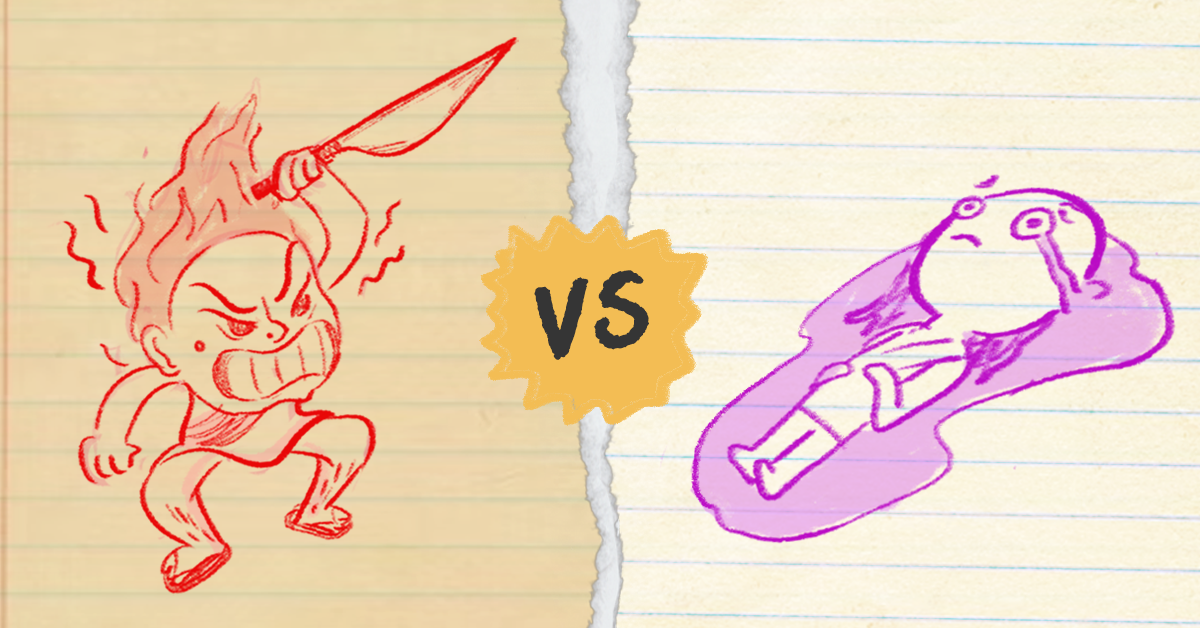
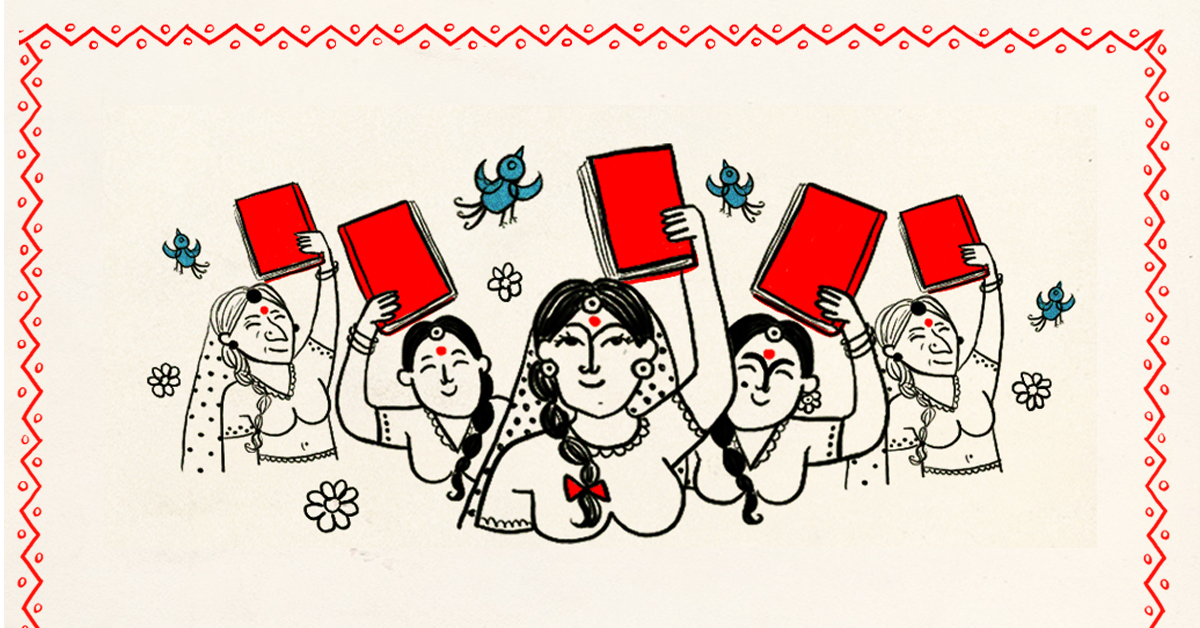
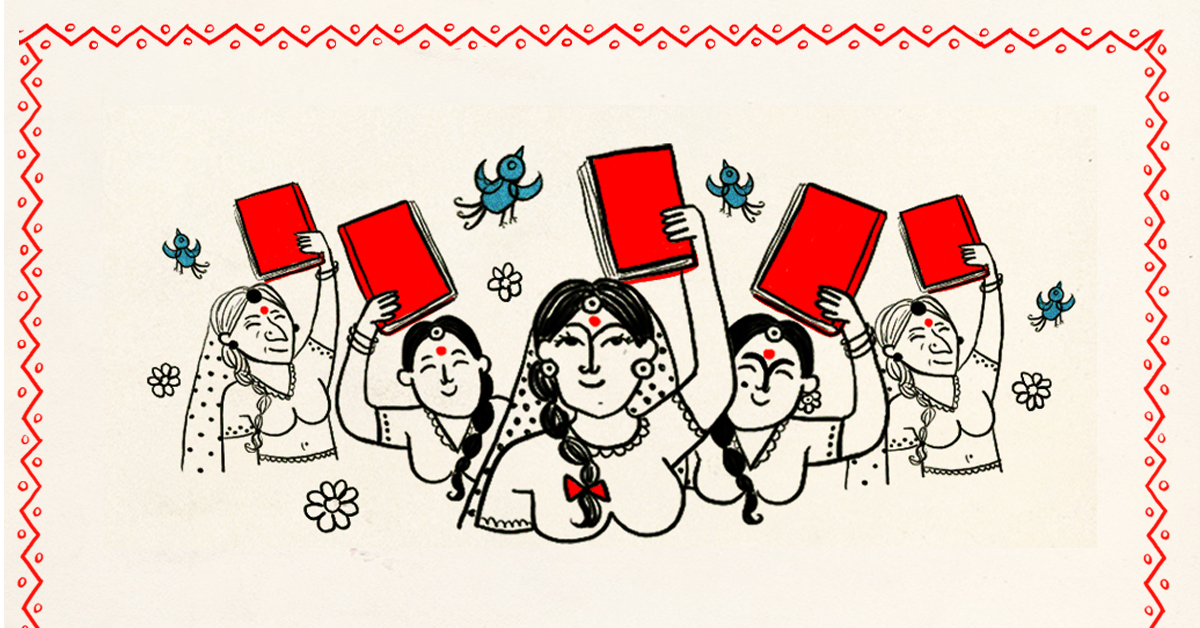
For years, society quietly deducted marks from my “good woman” report card.
One day, I quietly put the report card away.
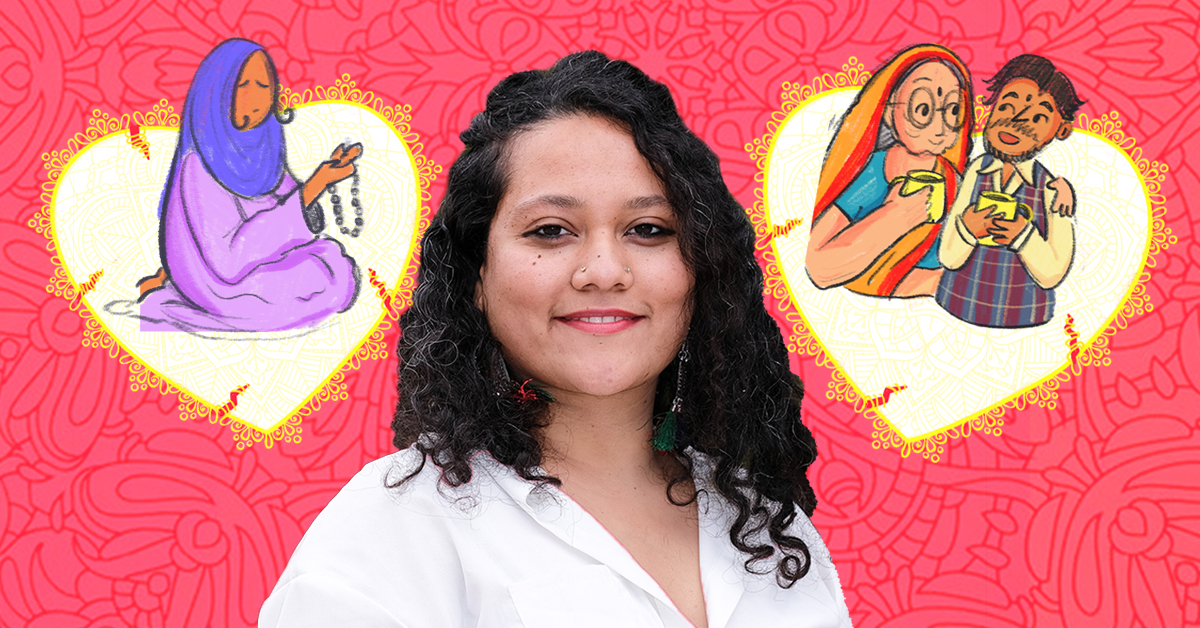
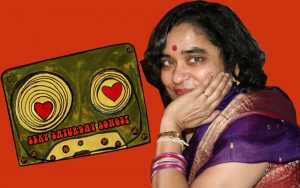
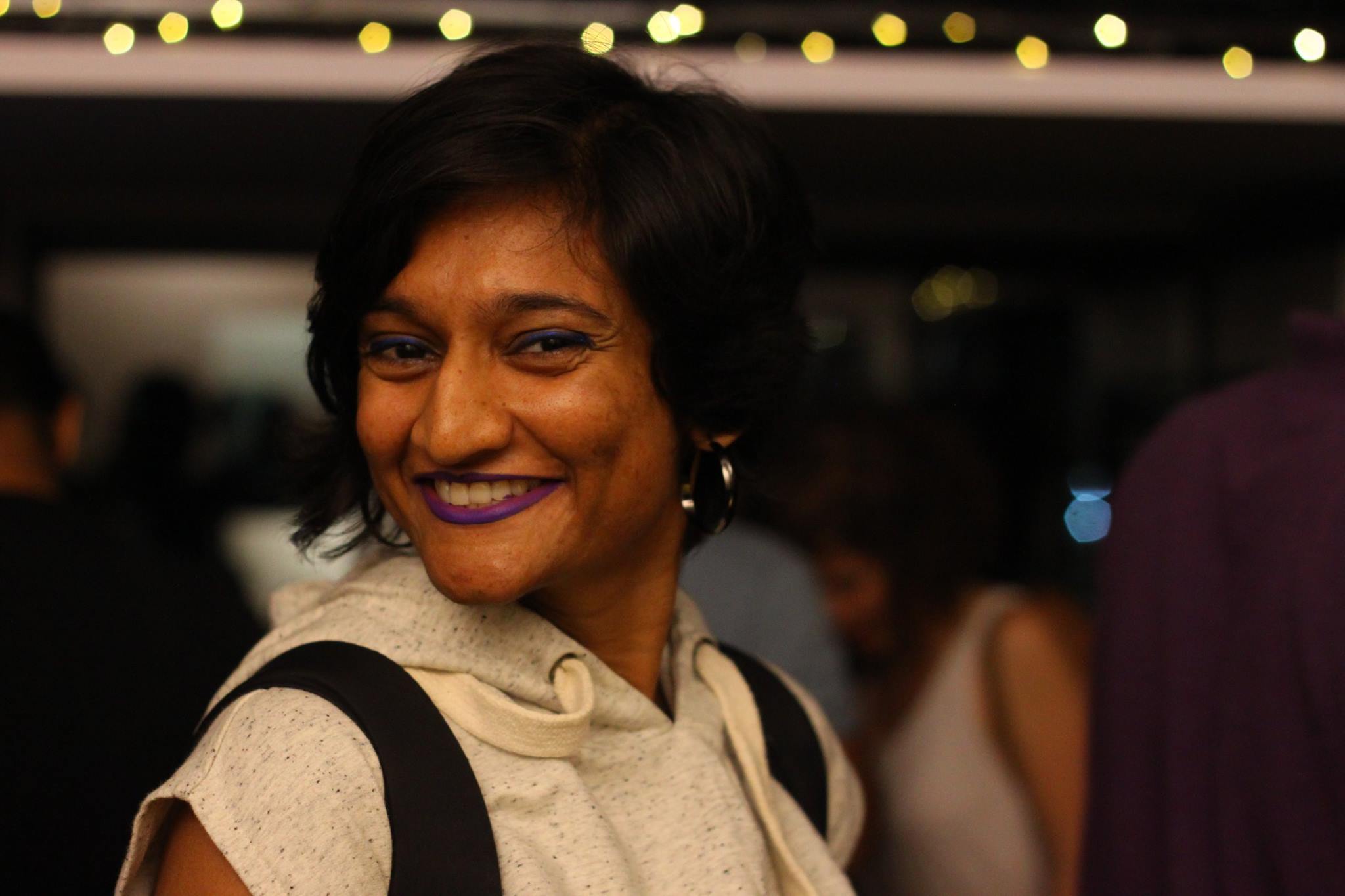
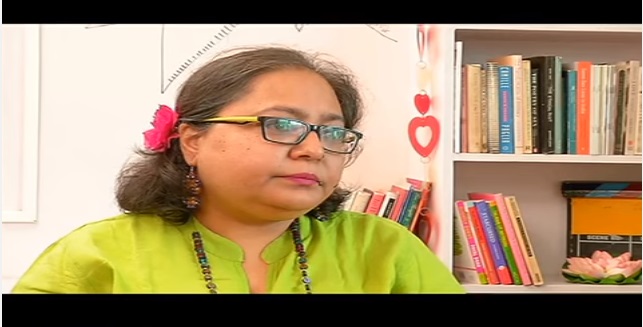
Bio: Semanti is a physicist based in Kolkata. She likes to read, write and travel, and spend time with herself.