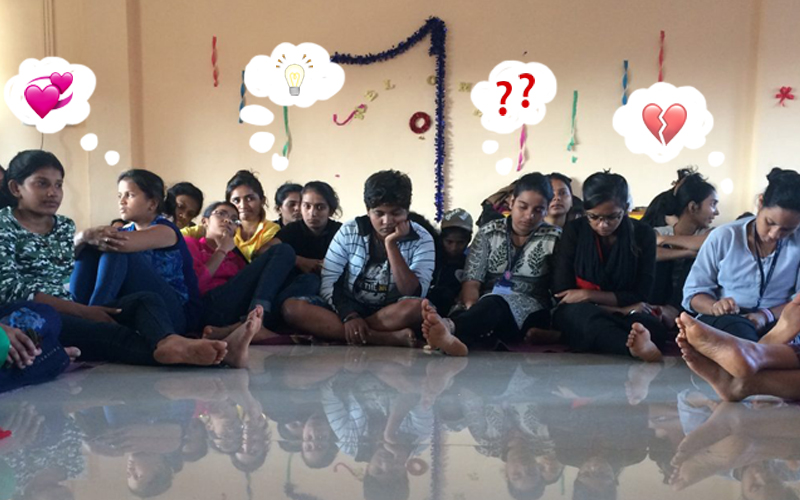

Last year, an unusual study was carried out at a few elite law campuses of India. It was led by a small research team from NALSAR university, who sat down for focus group discussions with the students.
The purpose? To ask young people studying at nine National Law Universities about their experience of living and studying on campus. On the agenda was not only grades and curfew hours – but questions about the very purpose of education. Is it about churning out functional adults who have learnt just enough to serve well in their jobs and who are adept at conforming to systems? Or is the purpose to nudge young people into crafting a better world–to help them become citizens as much as professionals?
What made this study, which was funded by the United Nations Population Fund, different was that it looked at what is often ignored in research – the world of emotion and experience.
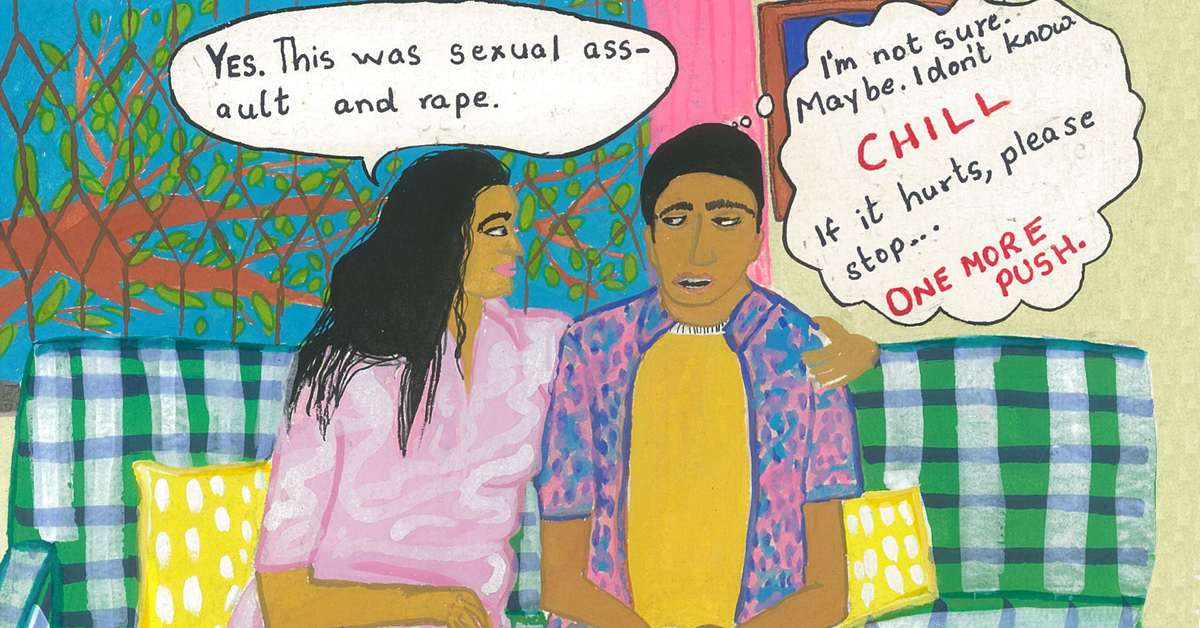
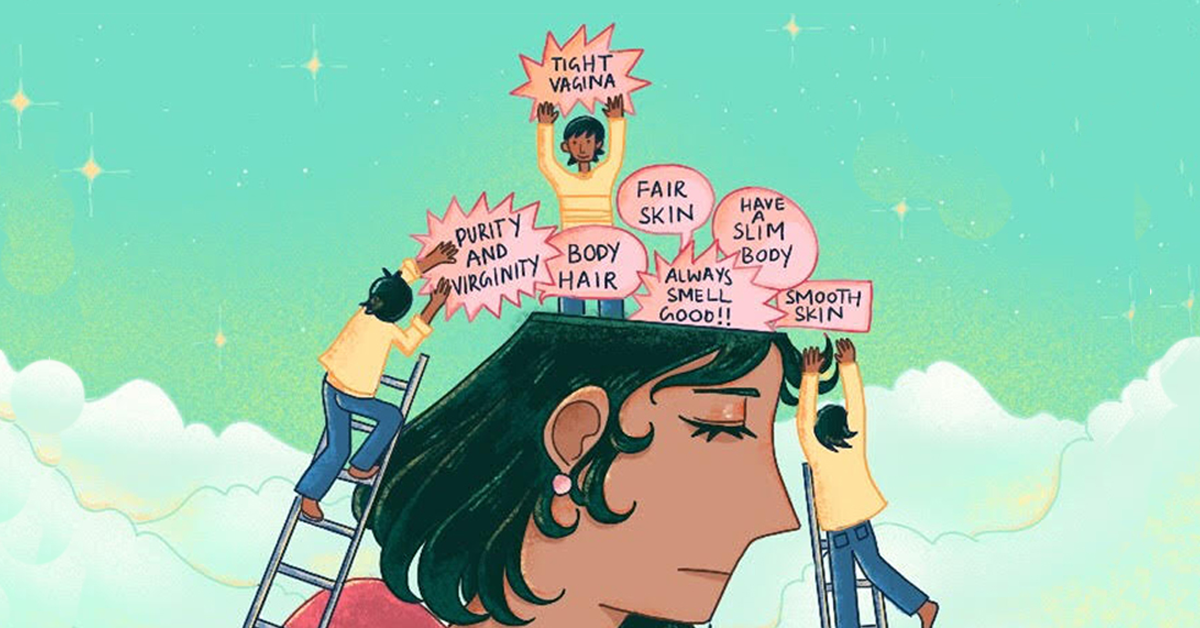
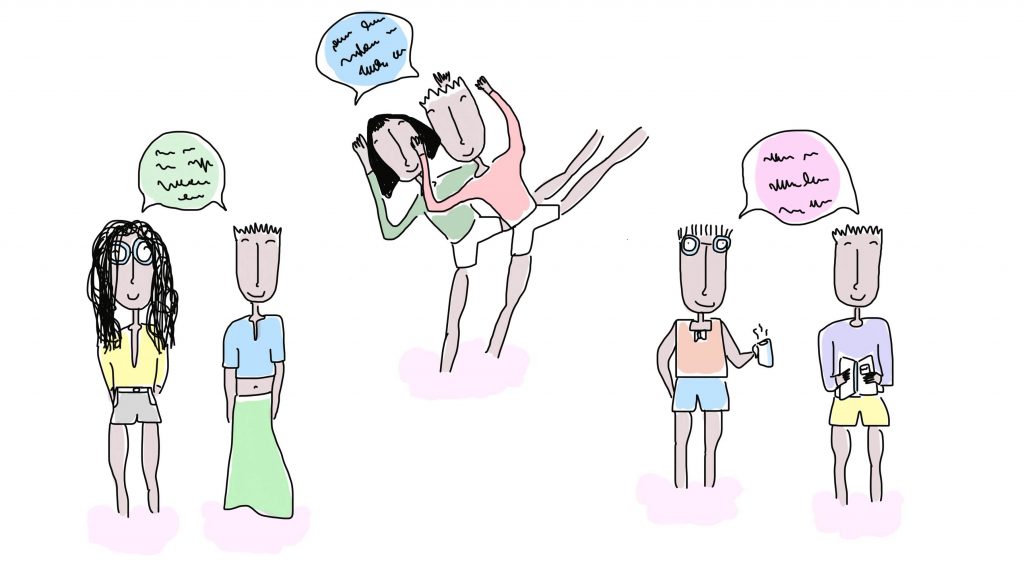
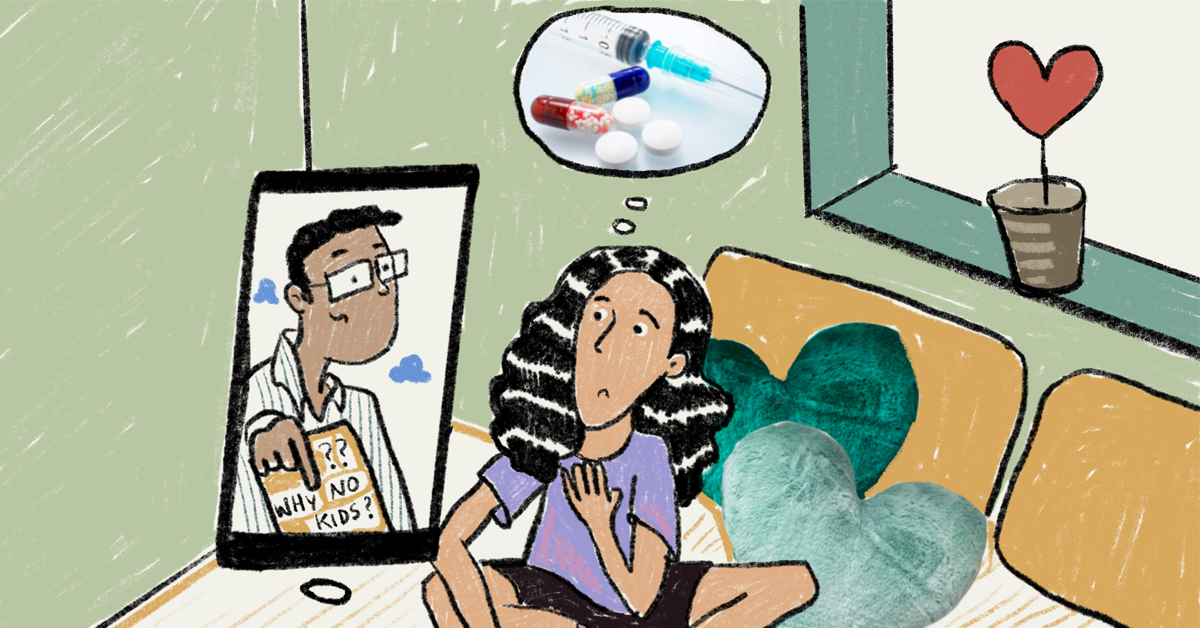
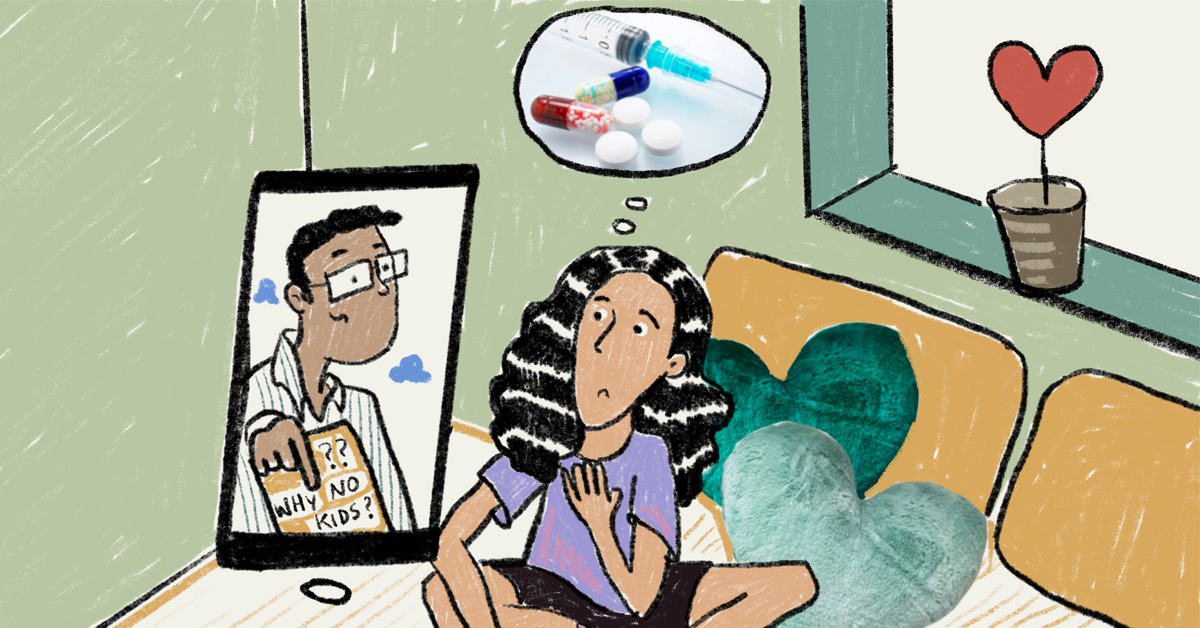
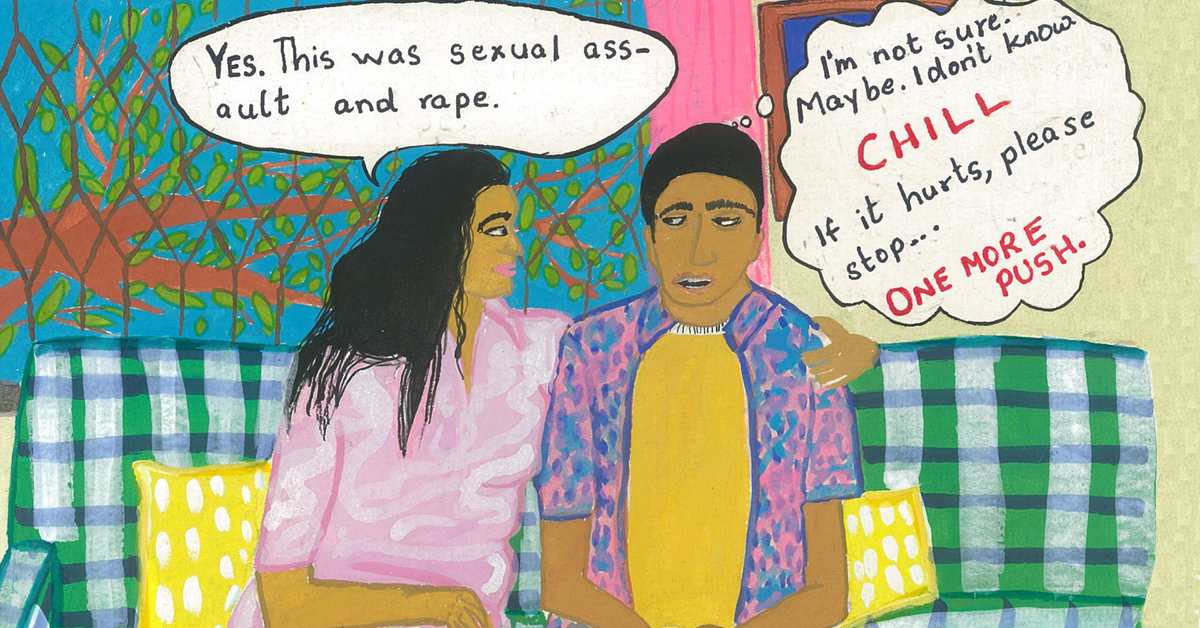
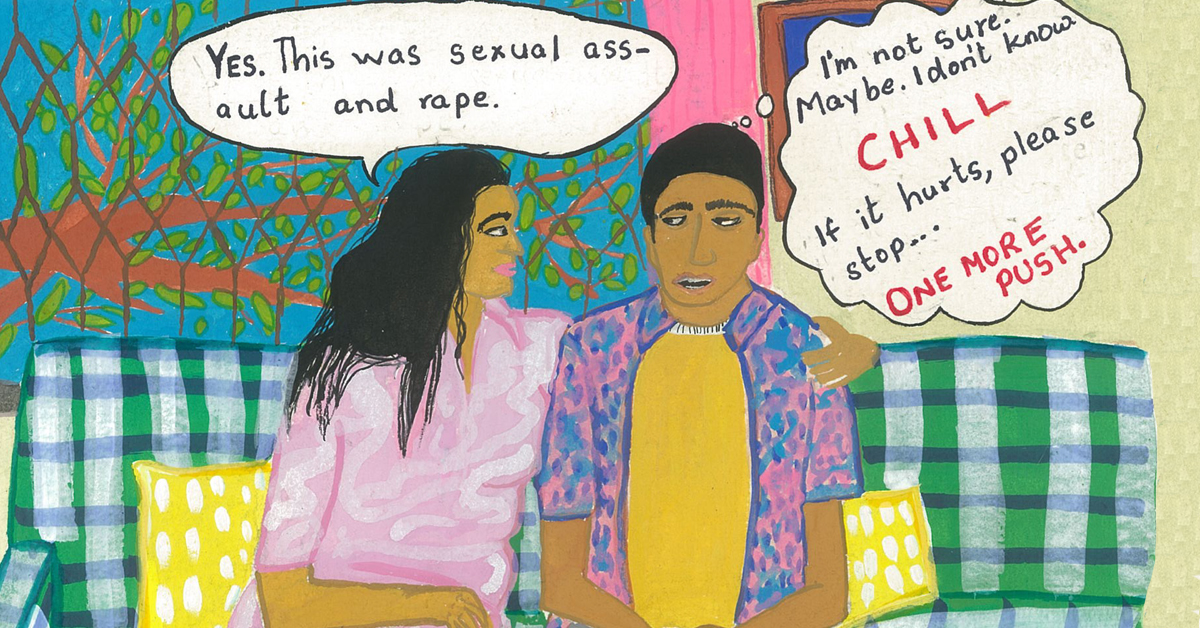
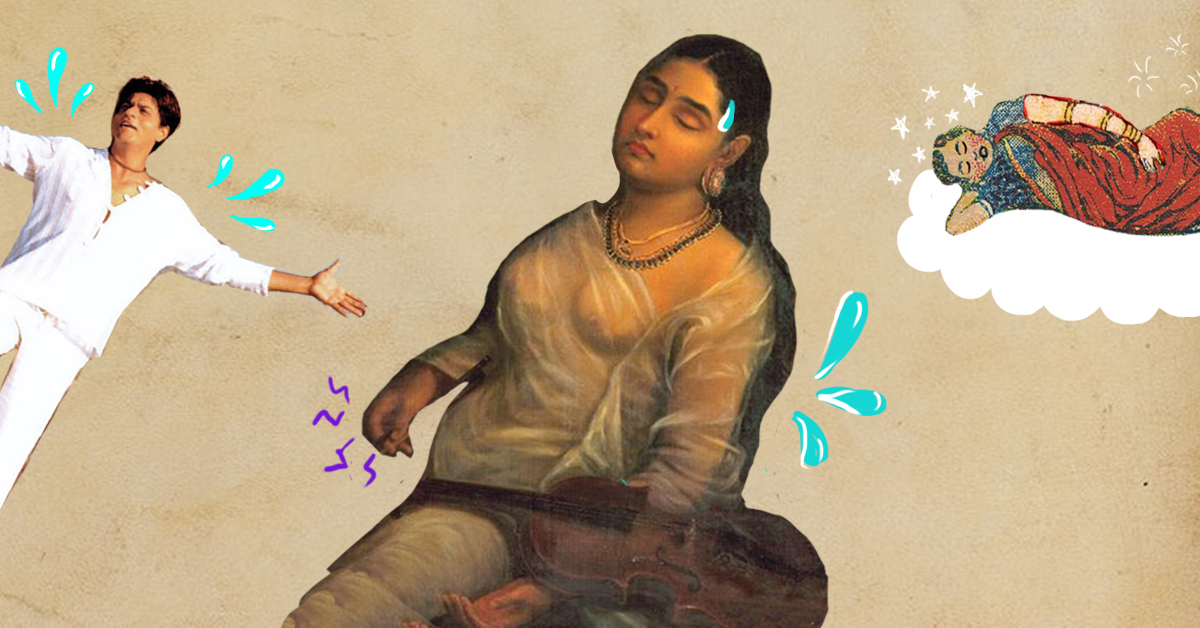
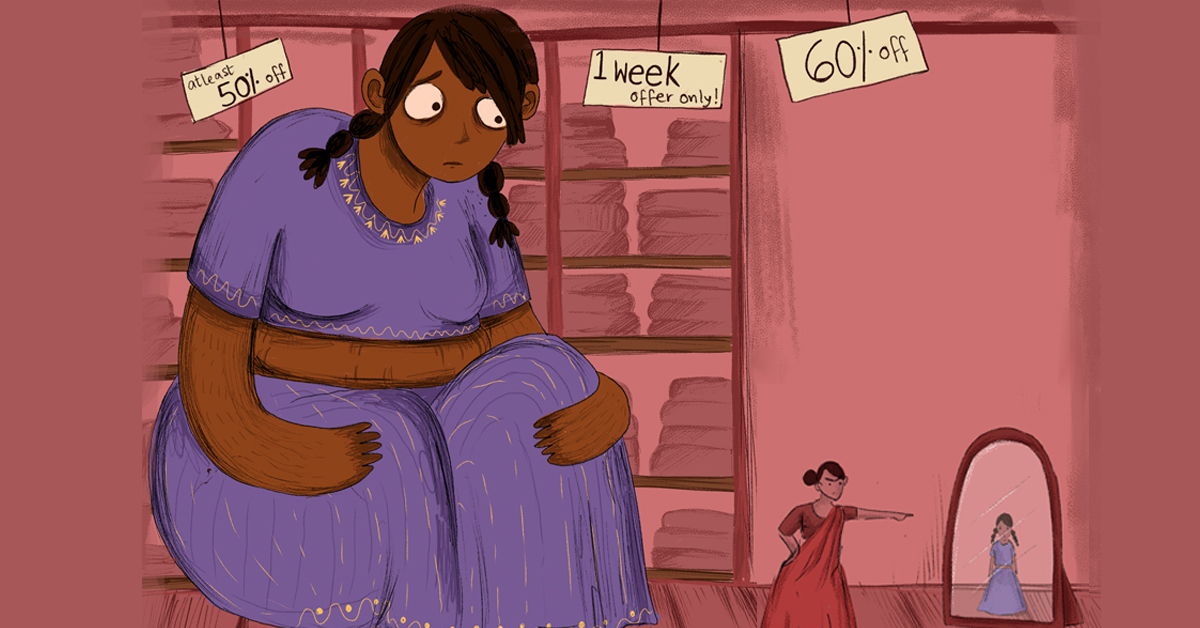
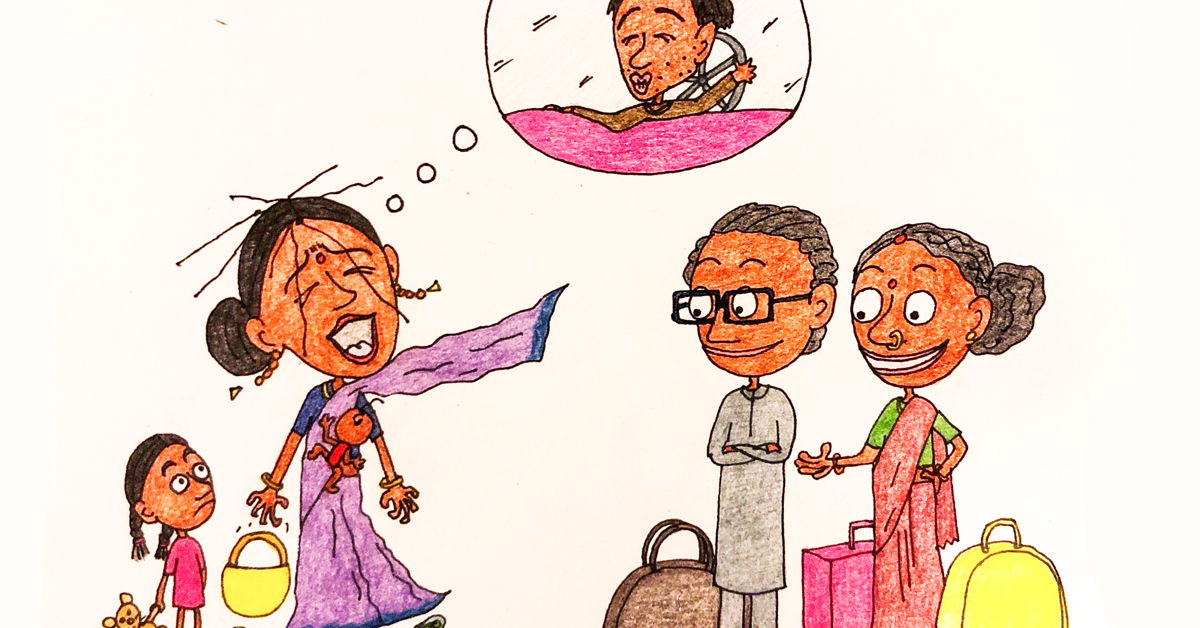
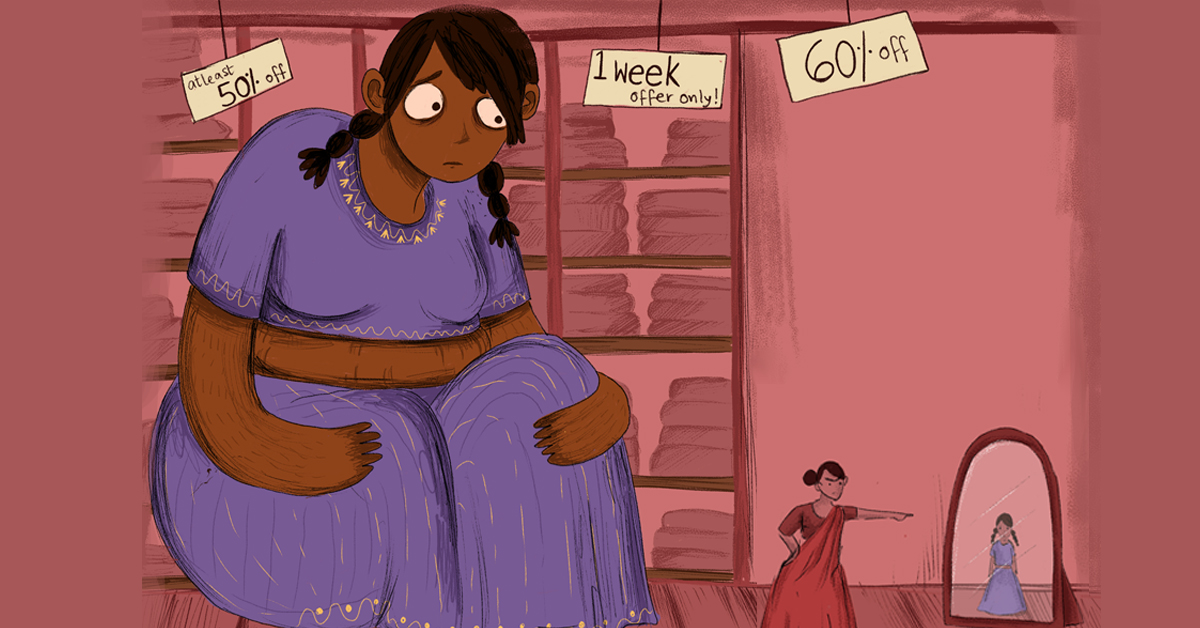
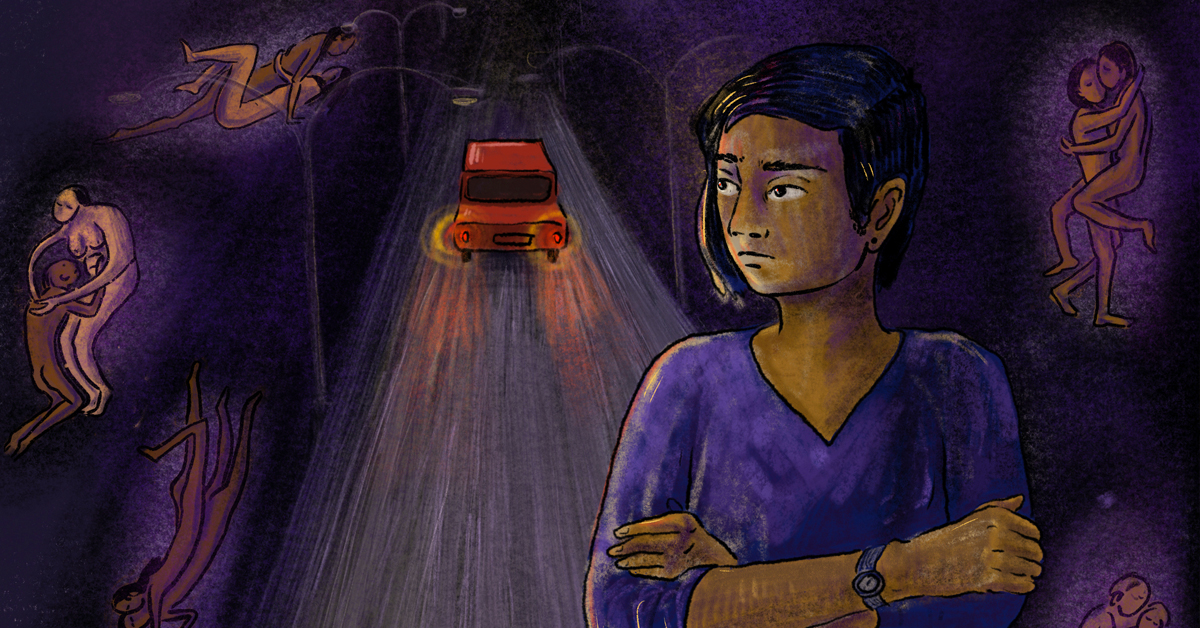
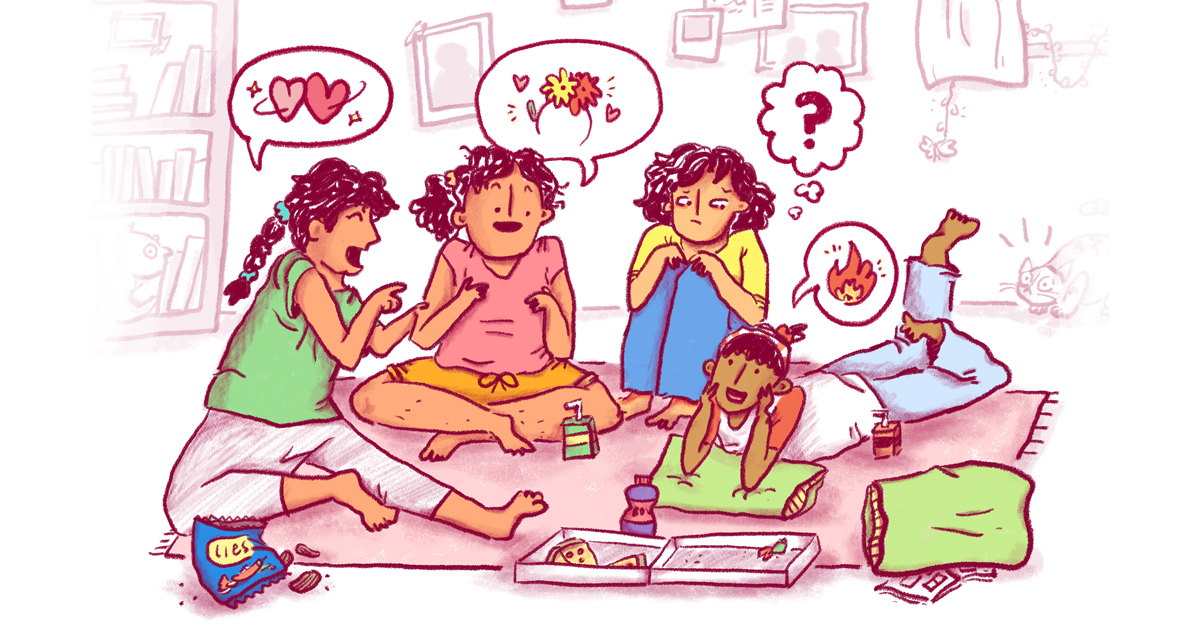
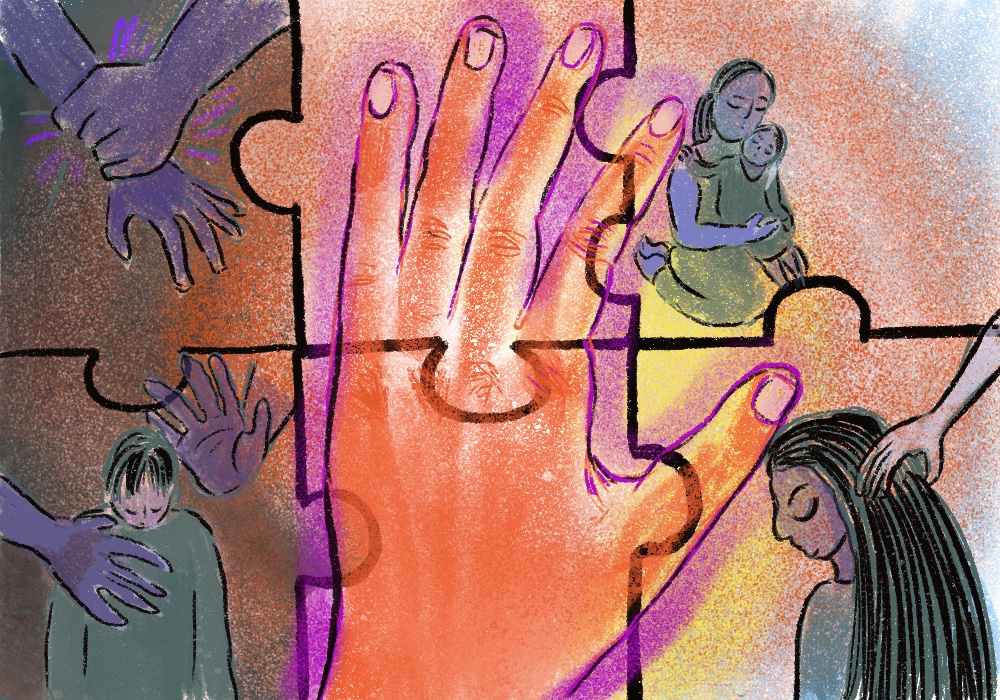
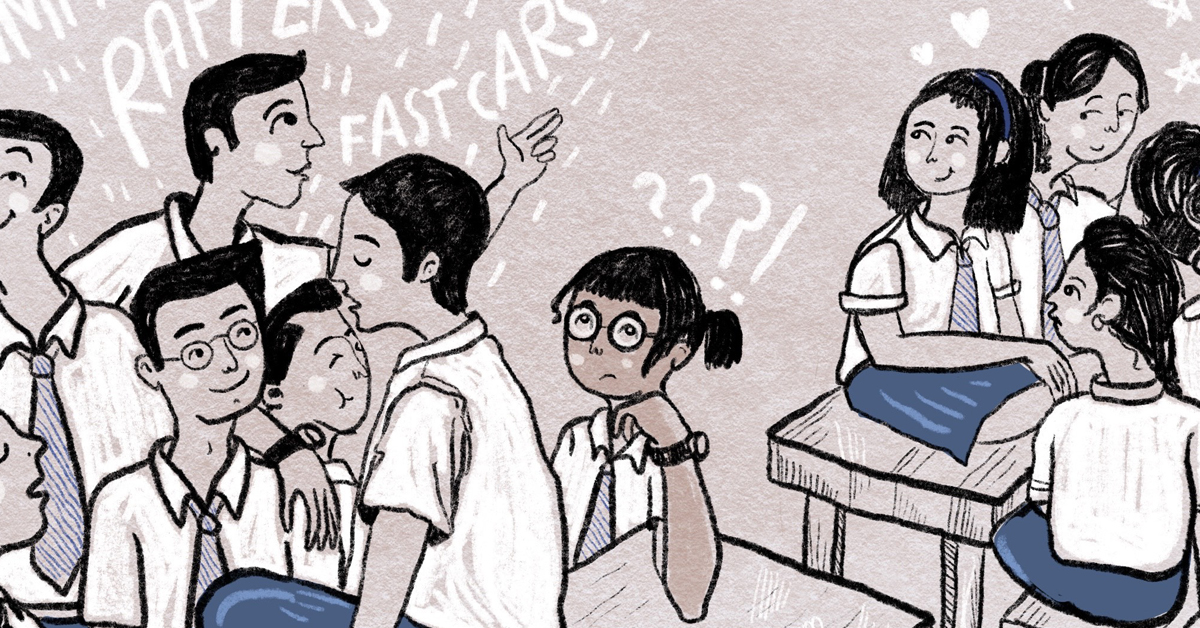
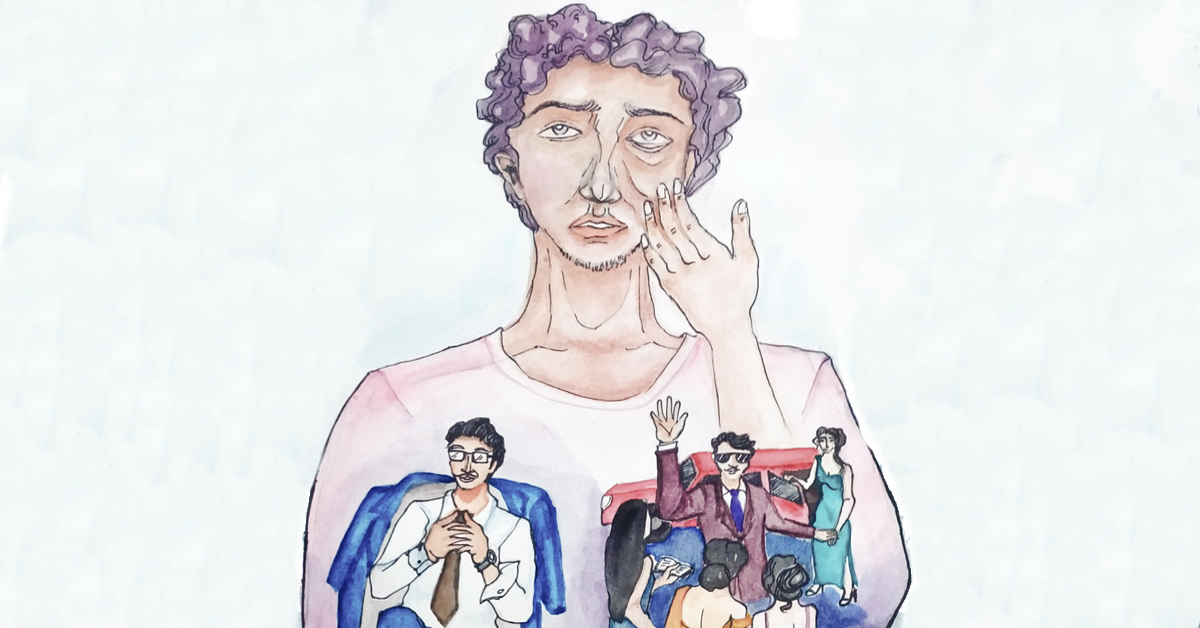
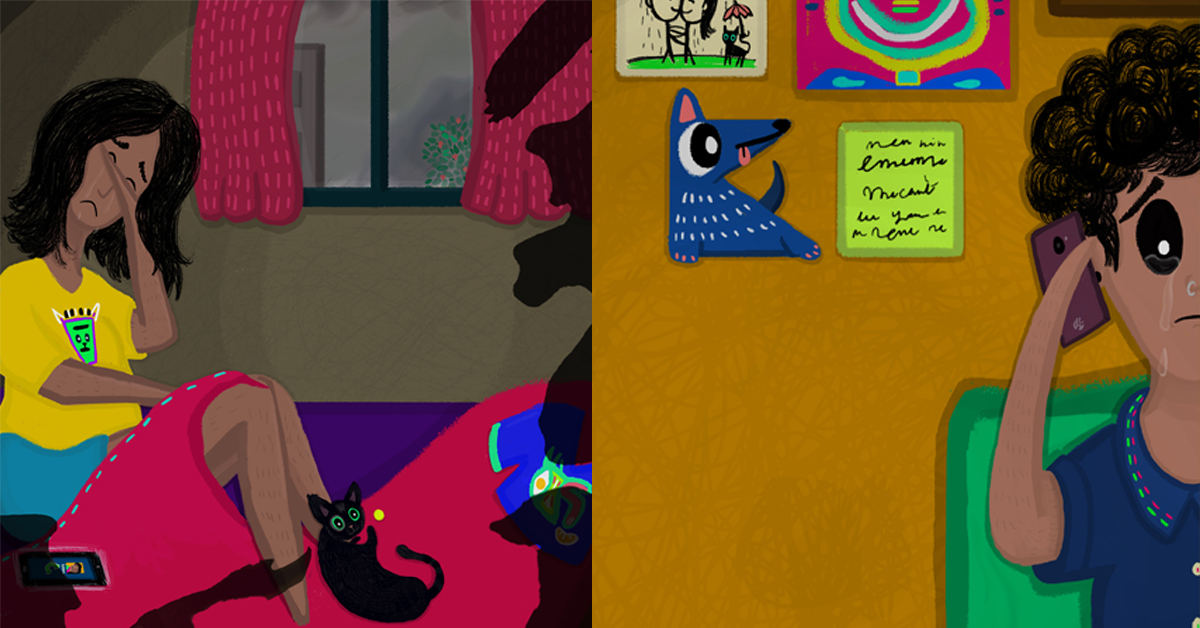
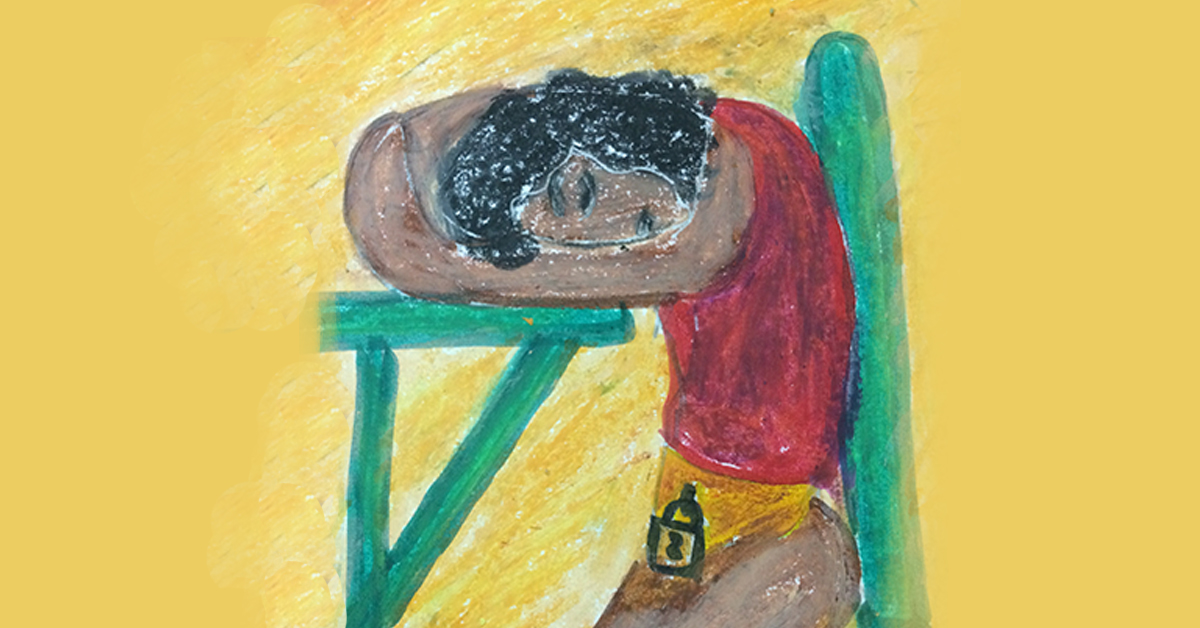
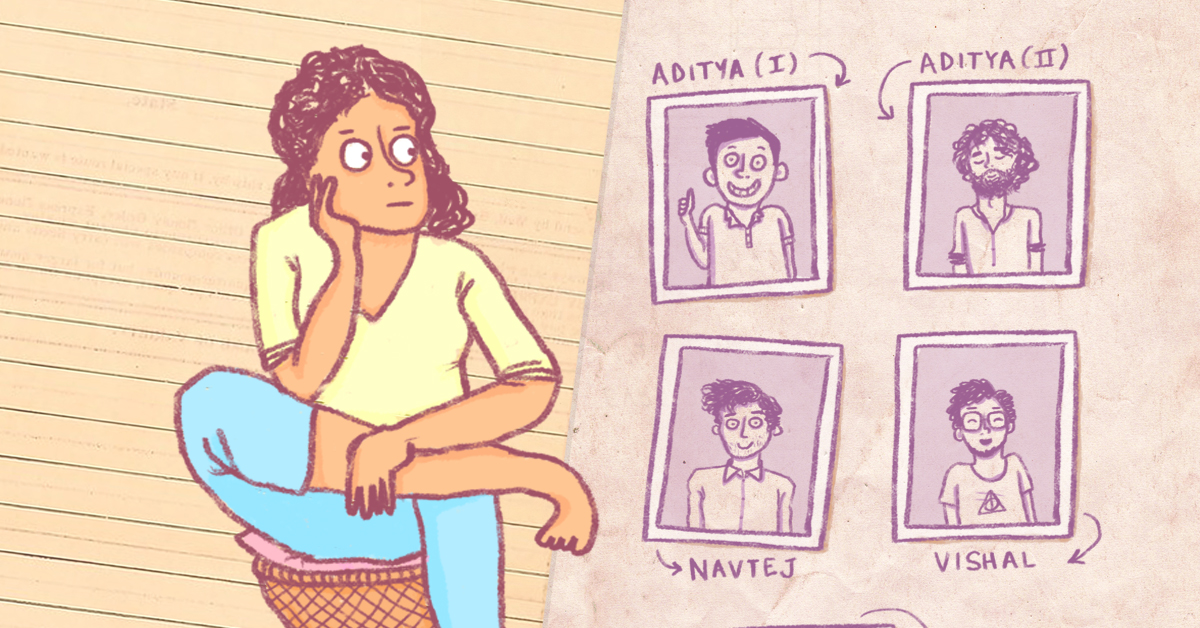
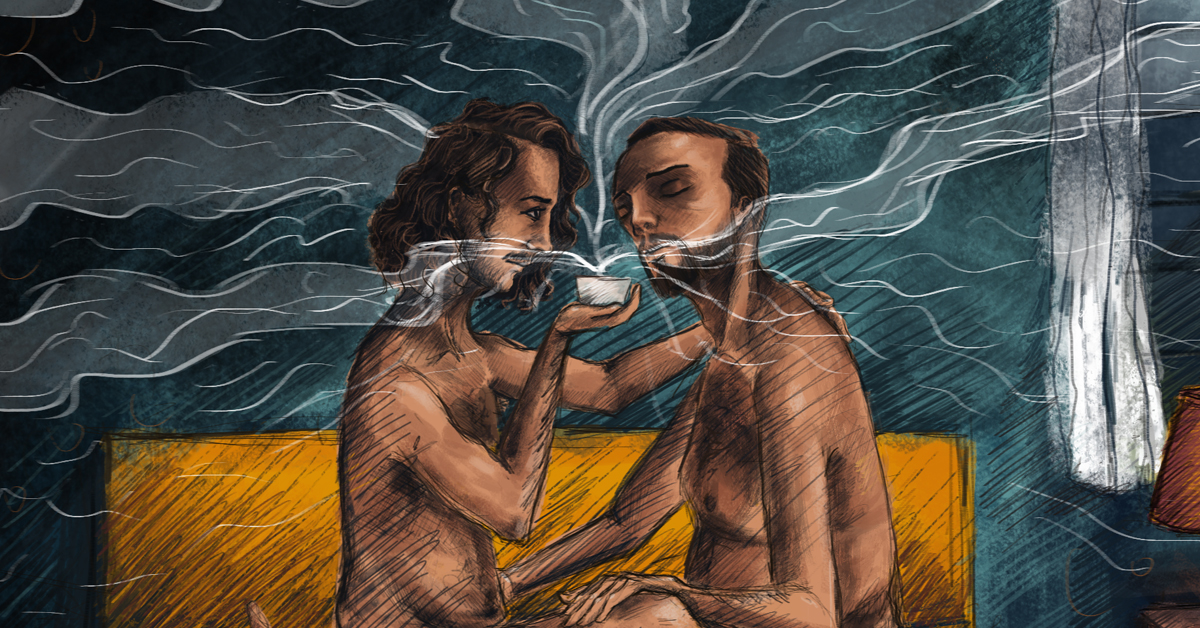
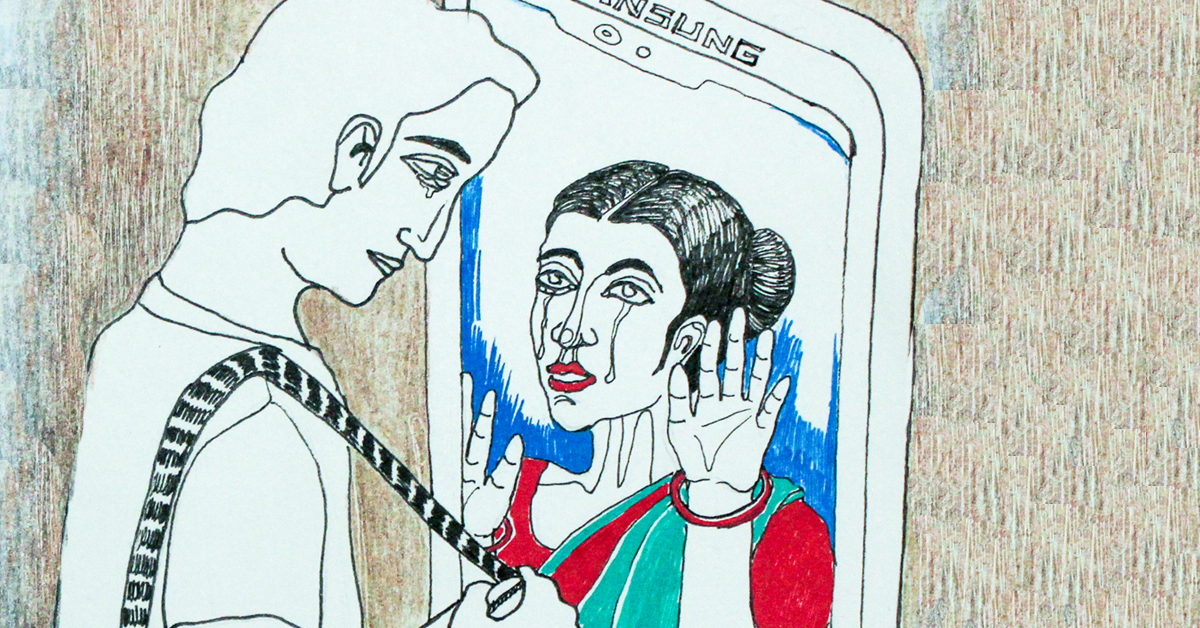
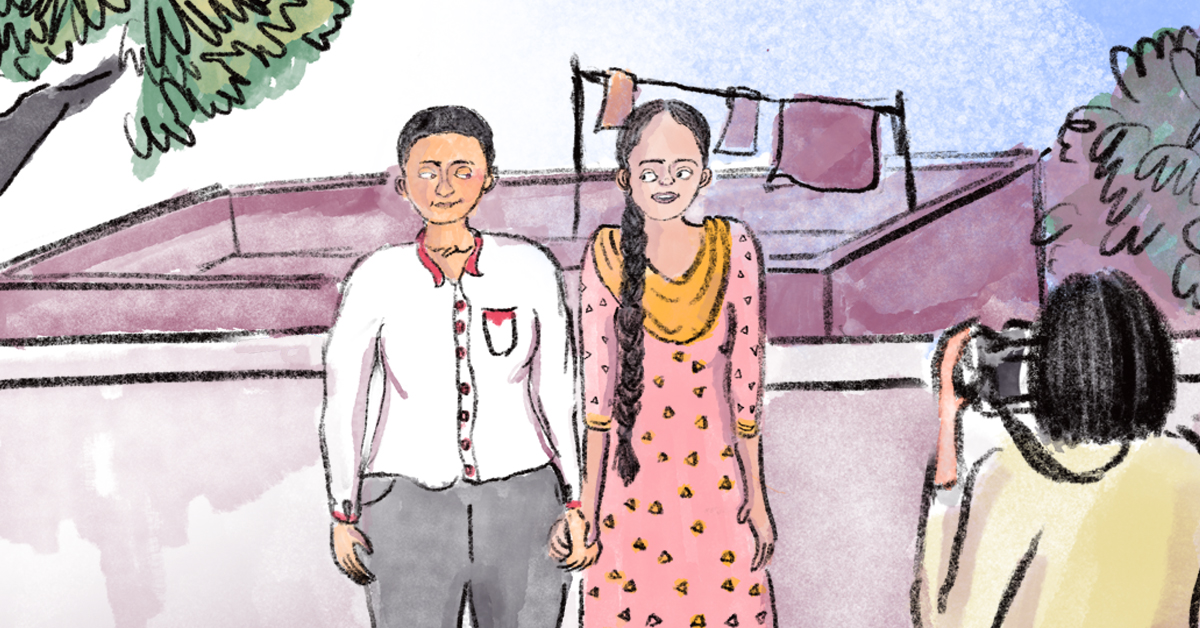
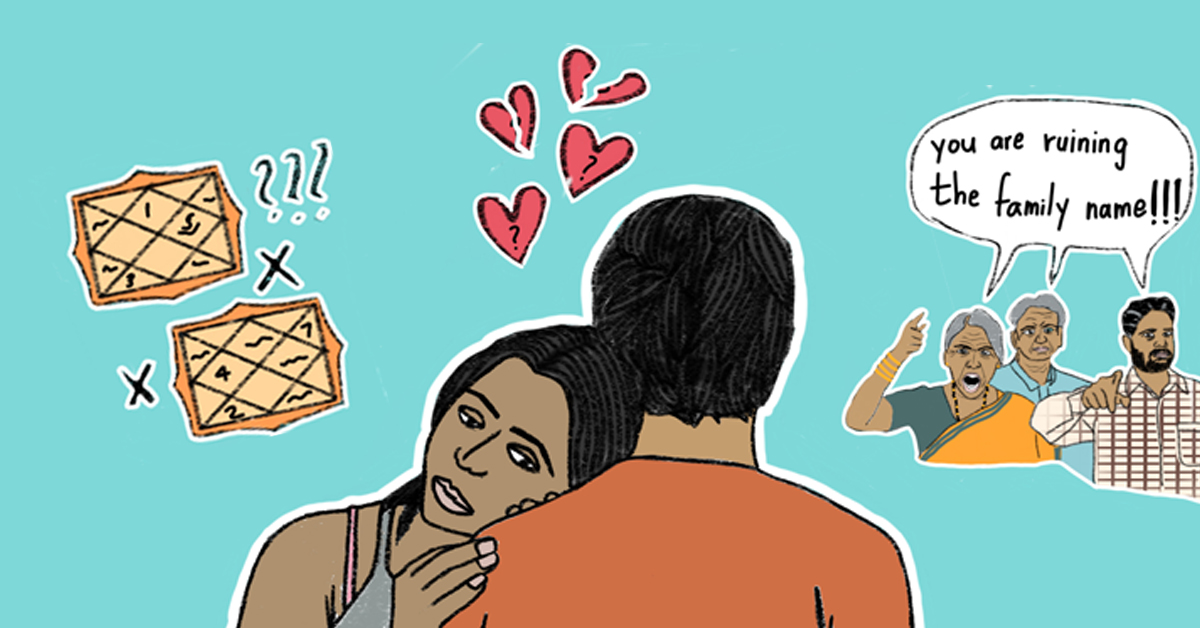
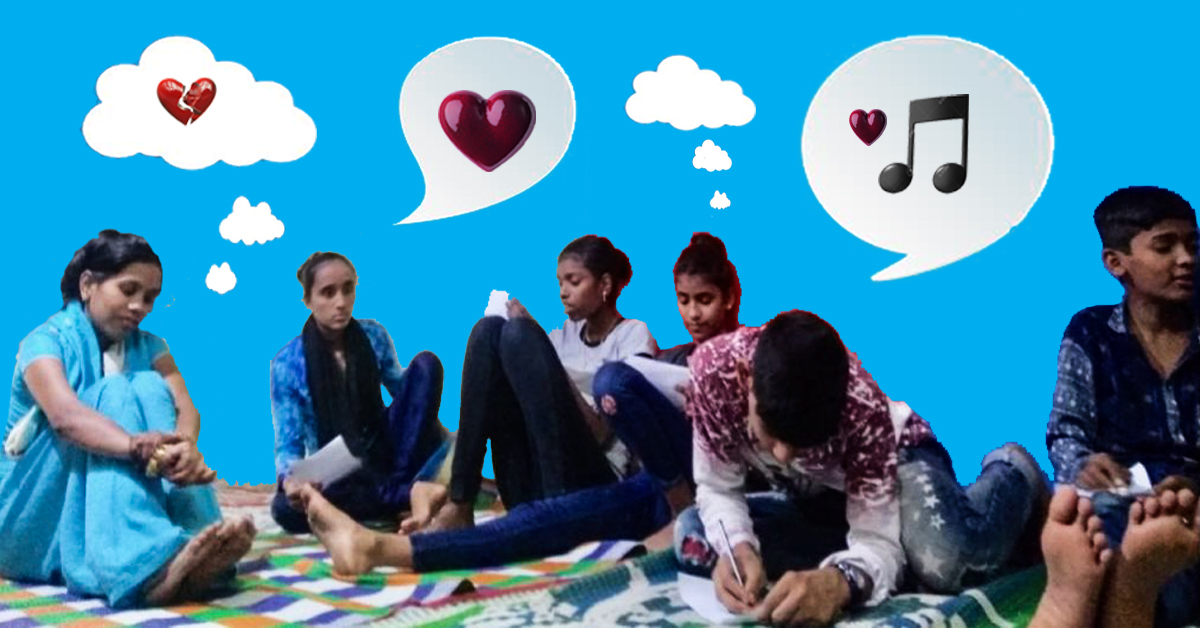
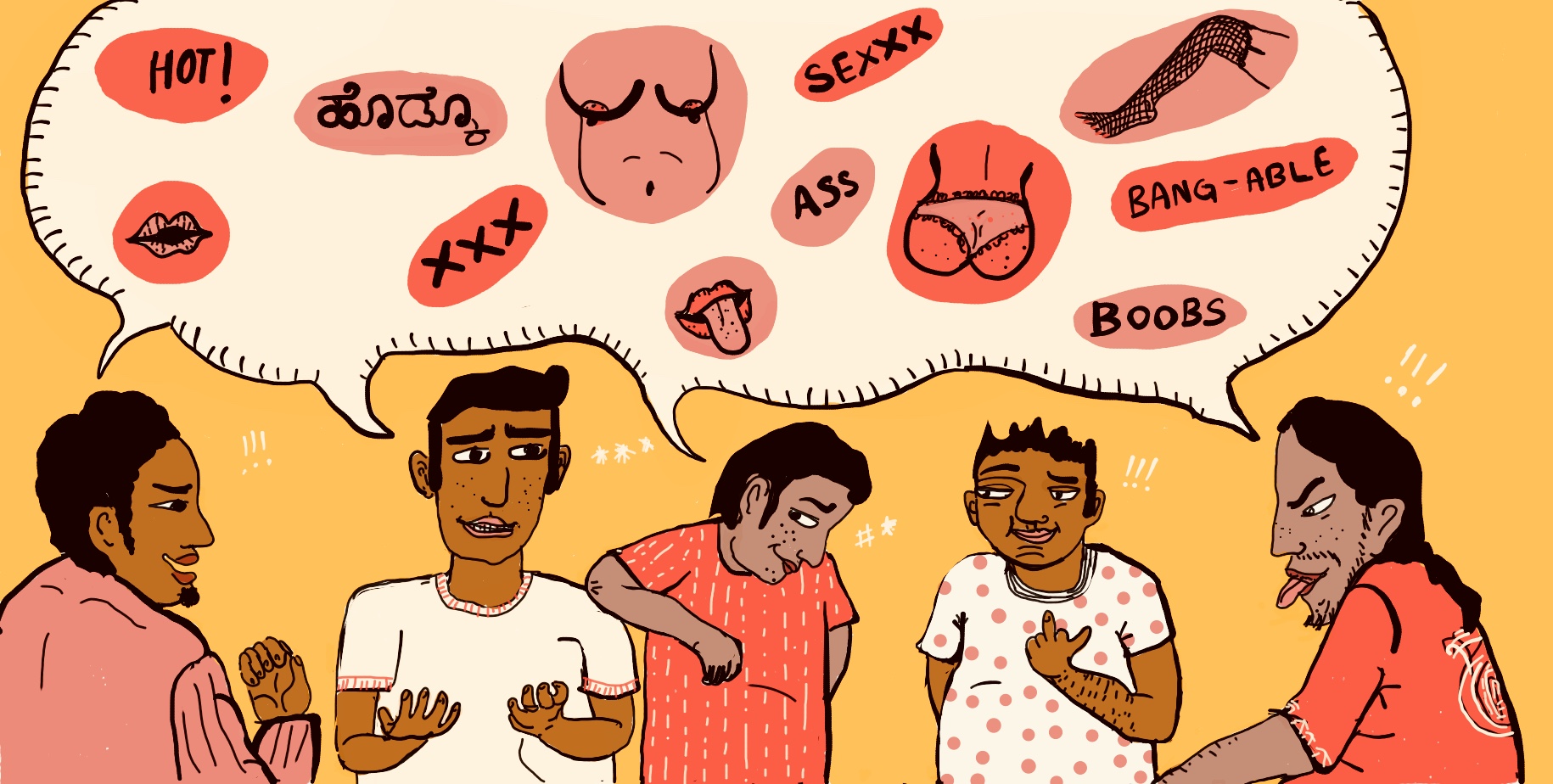
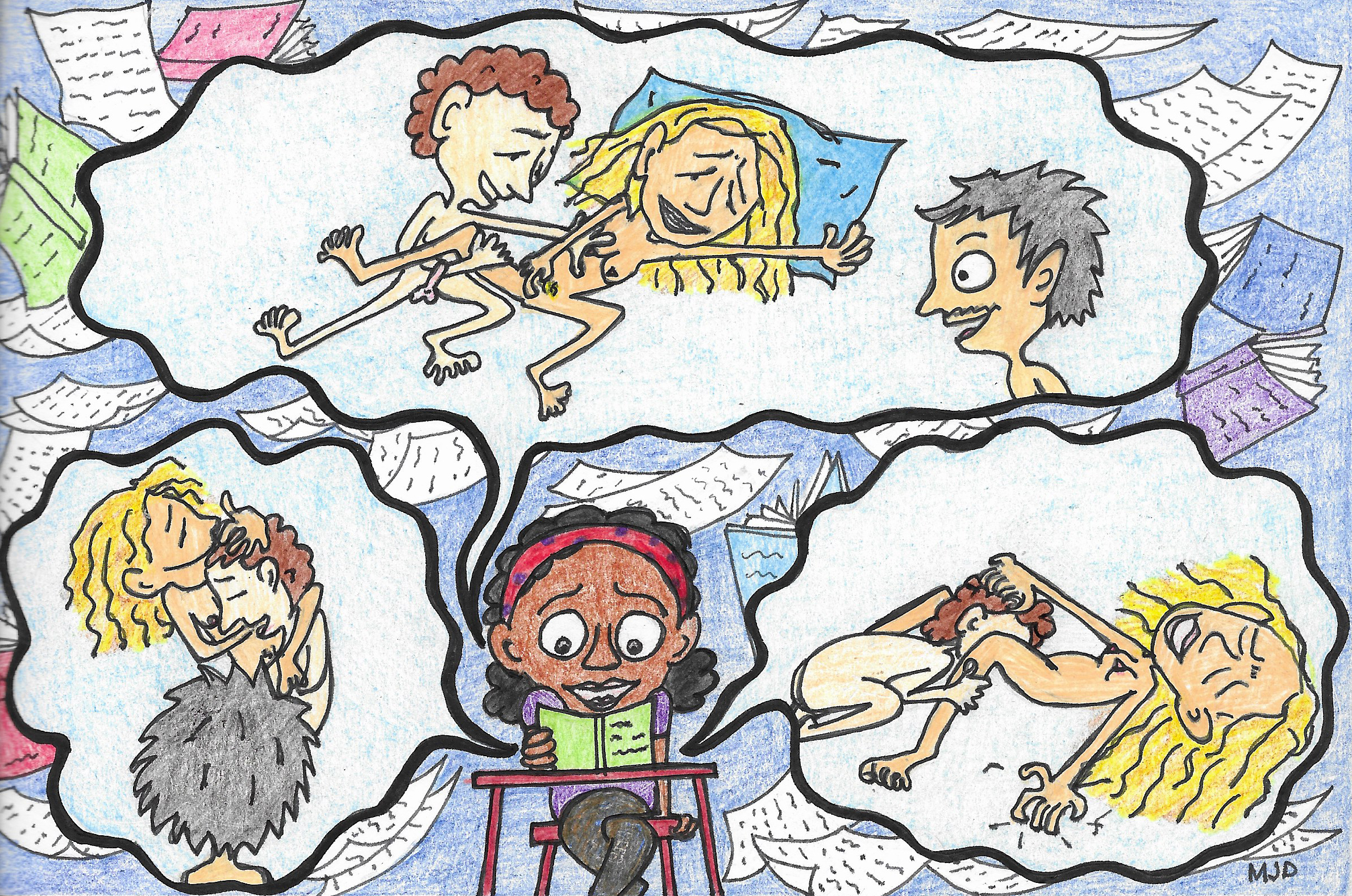
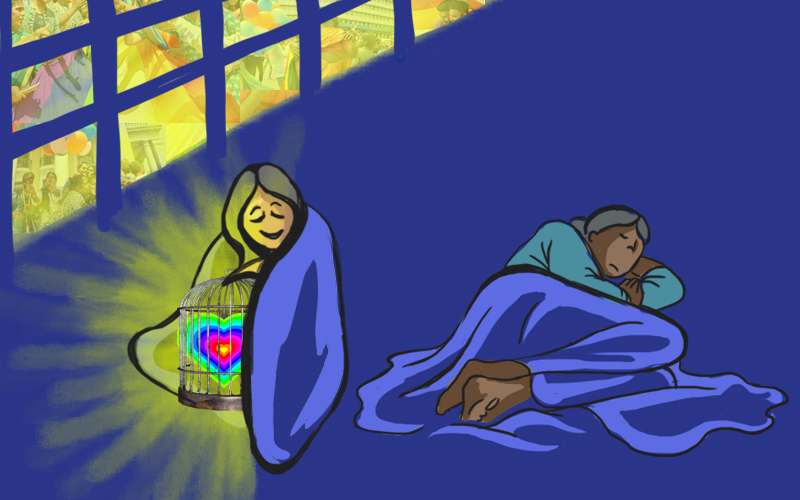
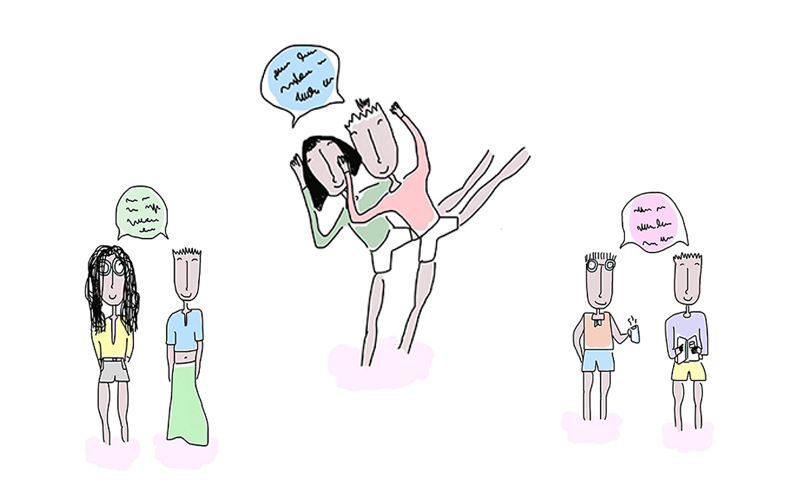
Students were asked about their experiences of fitting in, their sexual health needs, their ability to understand and express their own agency. They also spoke about being otherised, misunderstood, controlled by their peers and the institution, about feeling confused about consensual behaviour in romance. In conversations around love and identity, what came up repeatedly was that they had the ‘right’ language to express things, but not an internal understanding of what they feel or want to express.
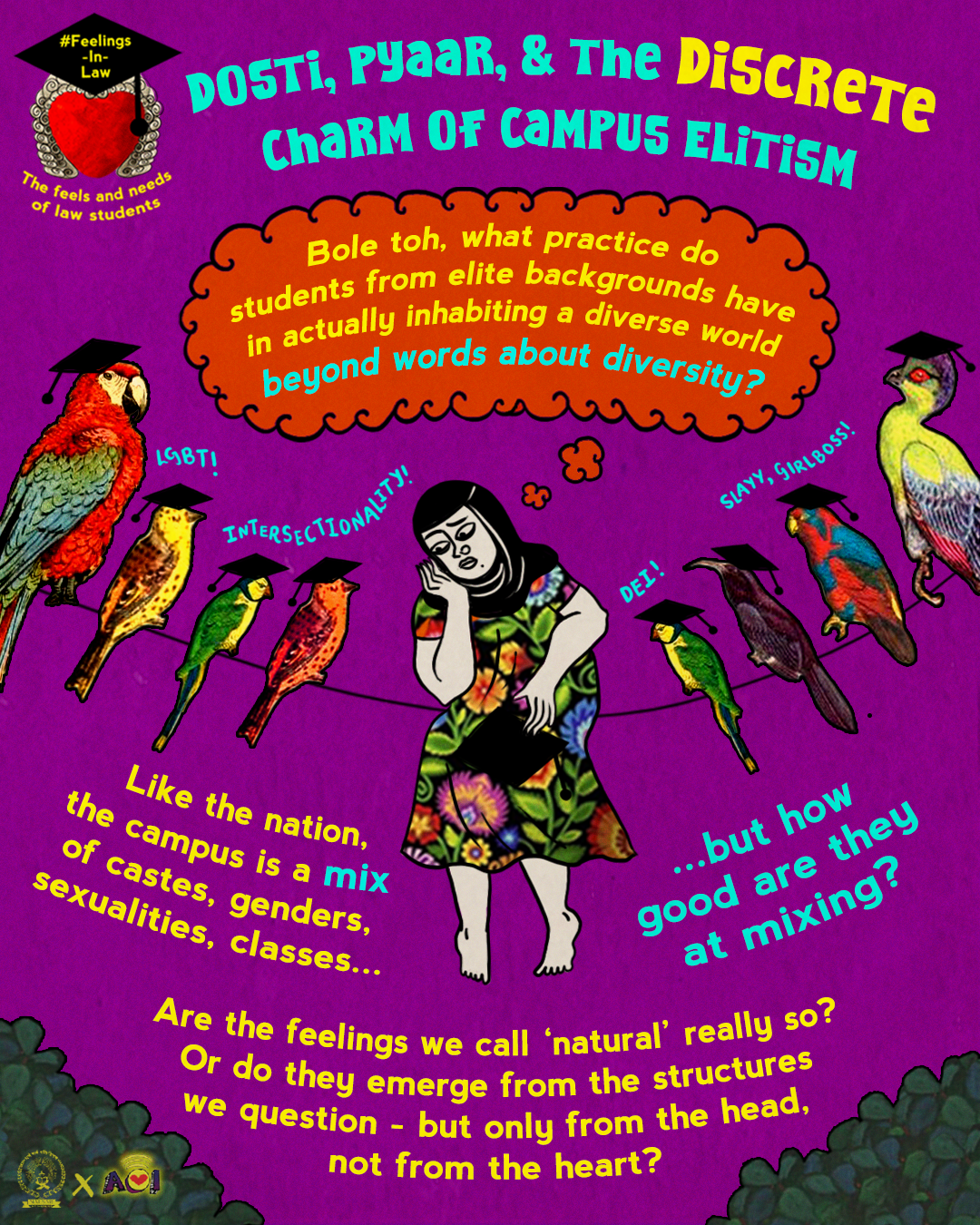
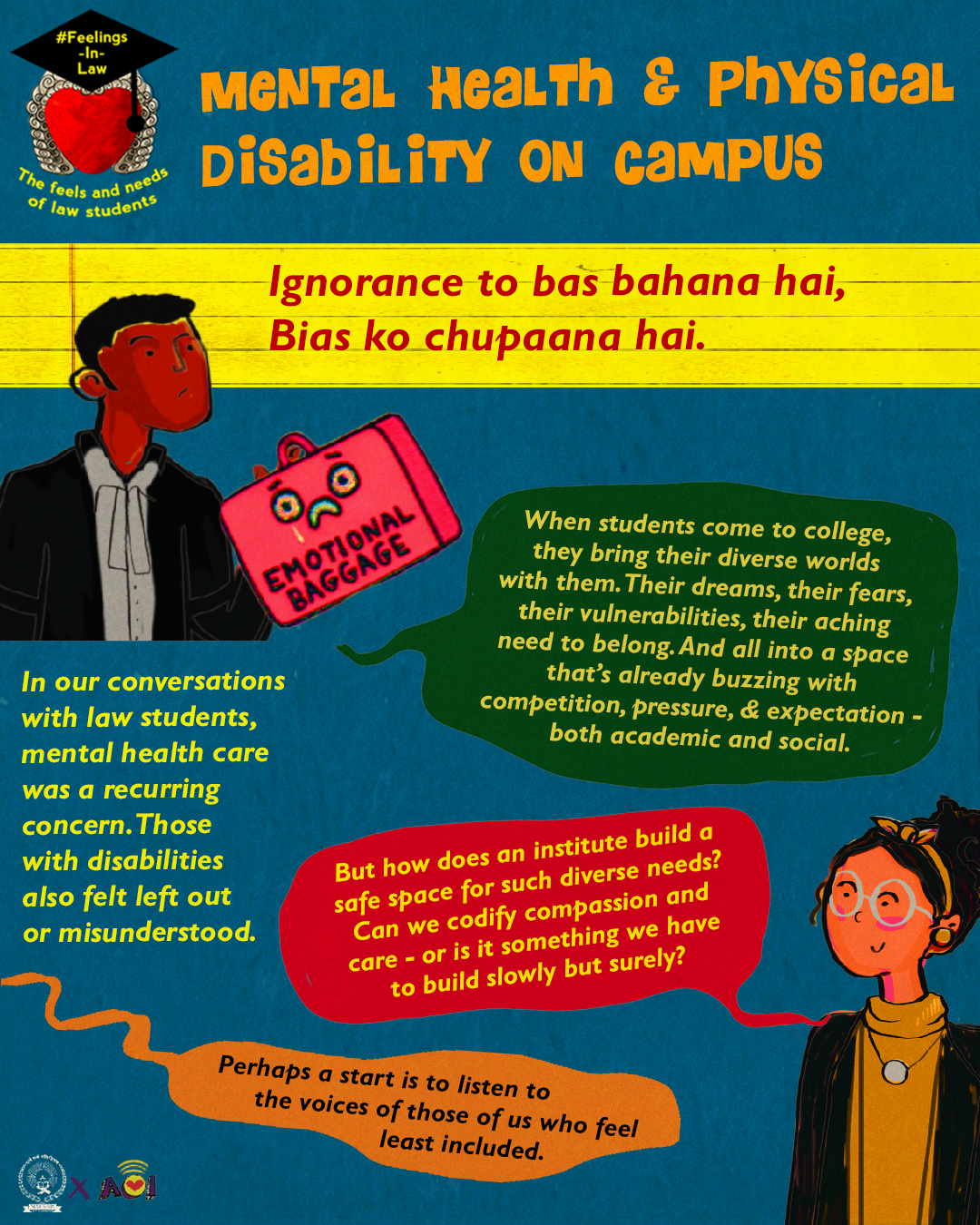
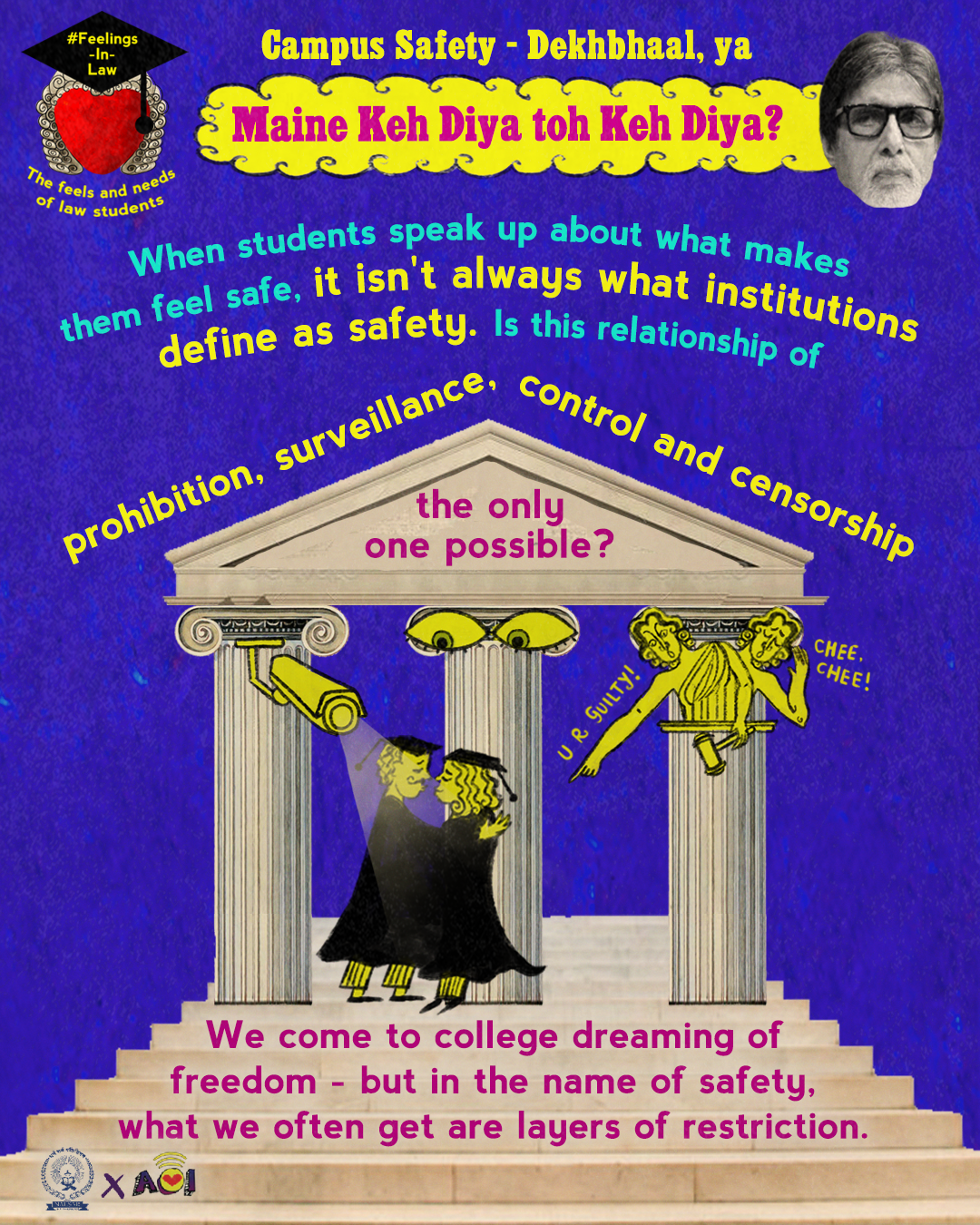
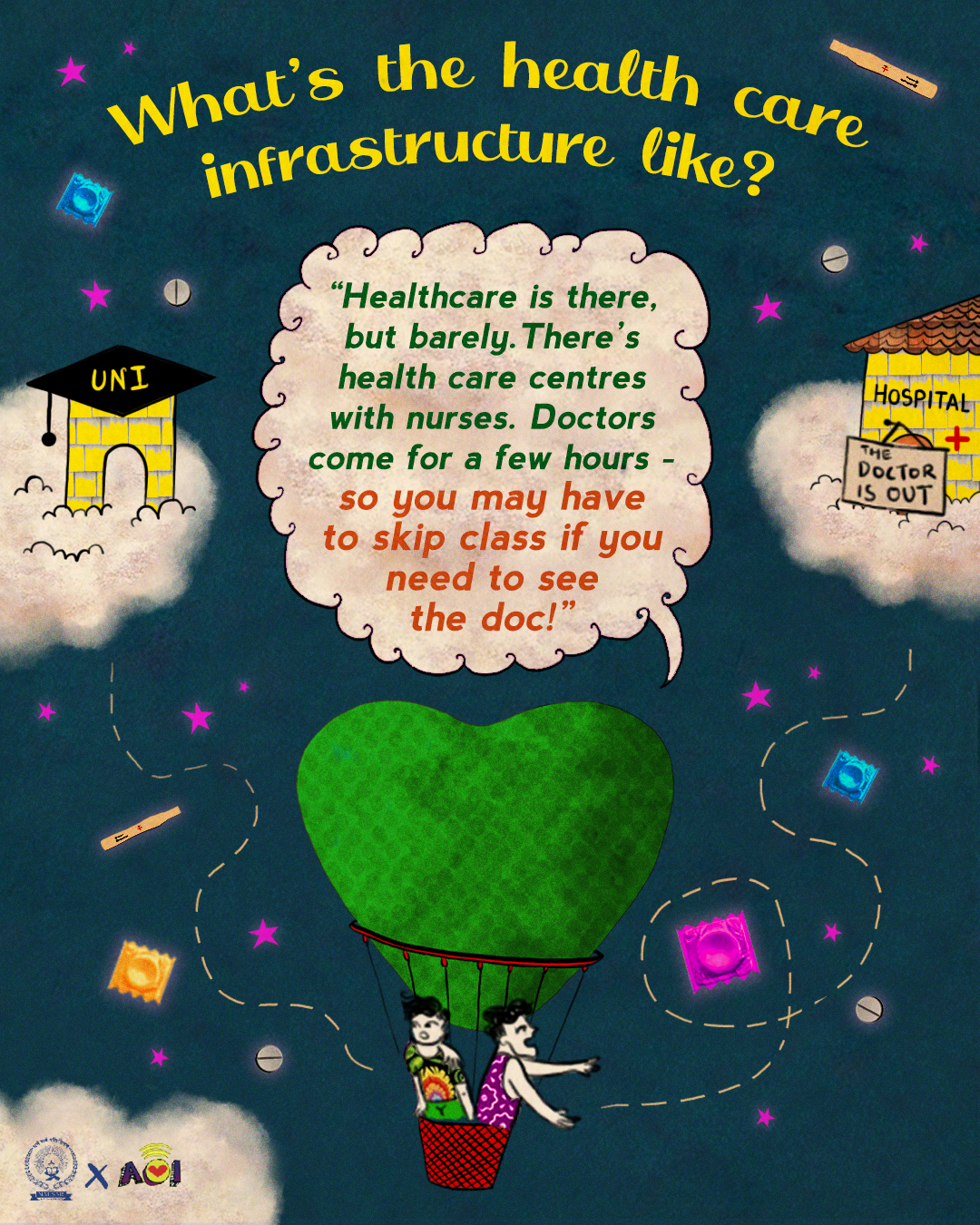
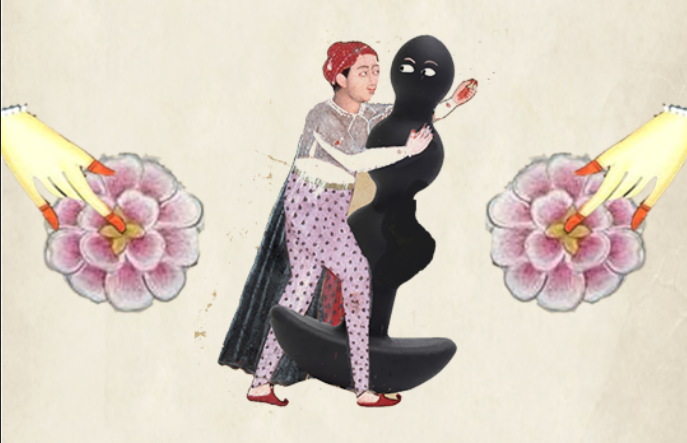
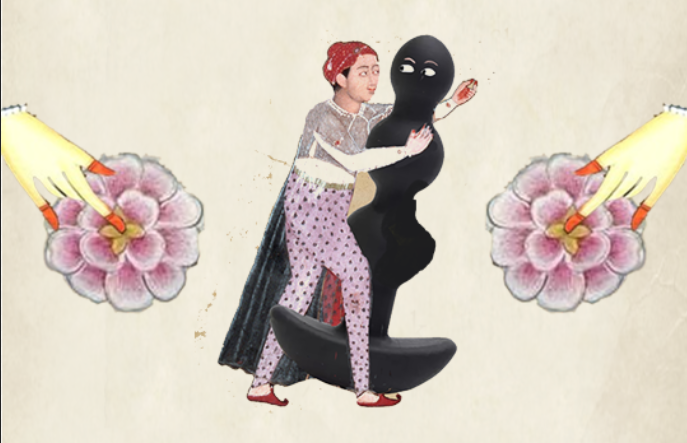
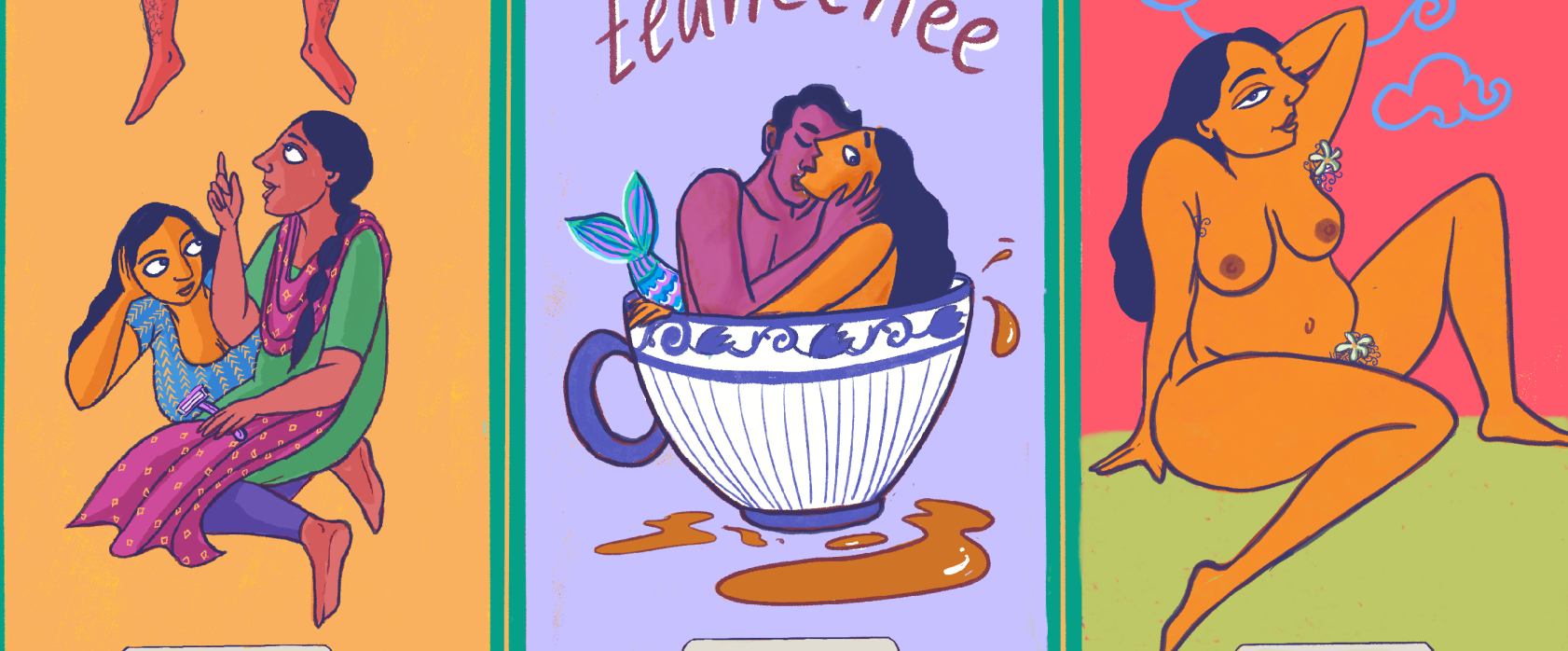
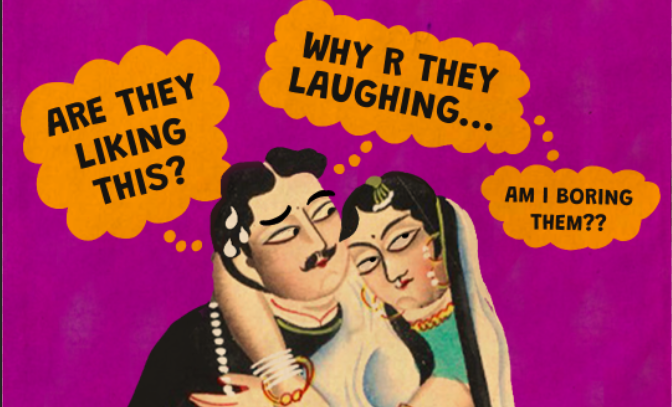
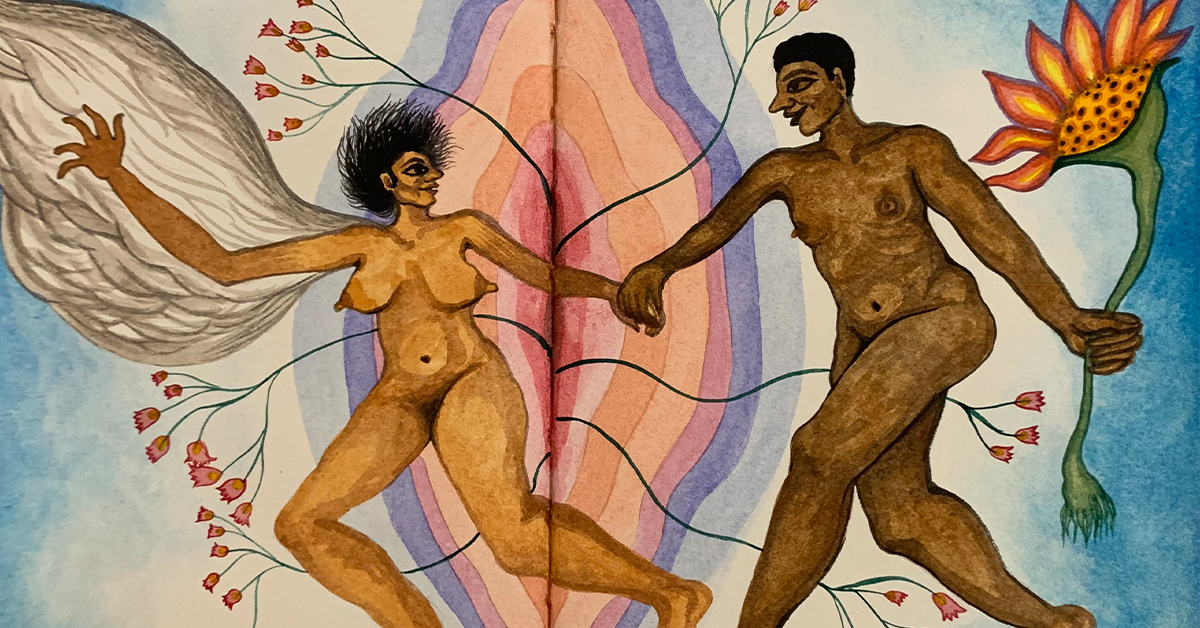
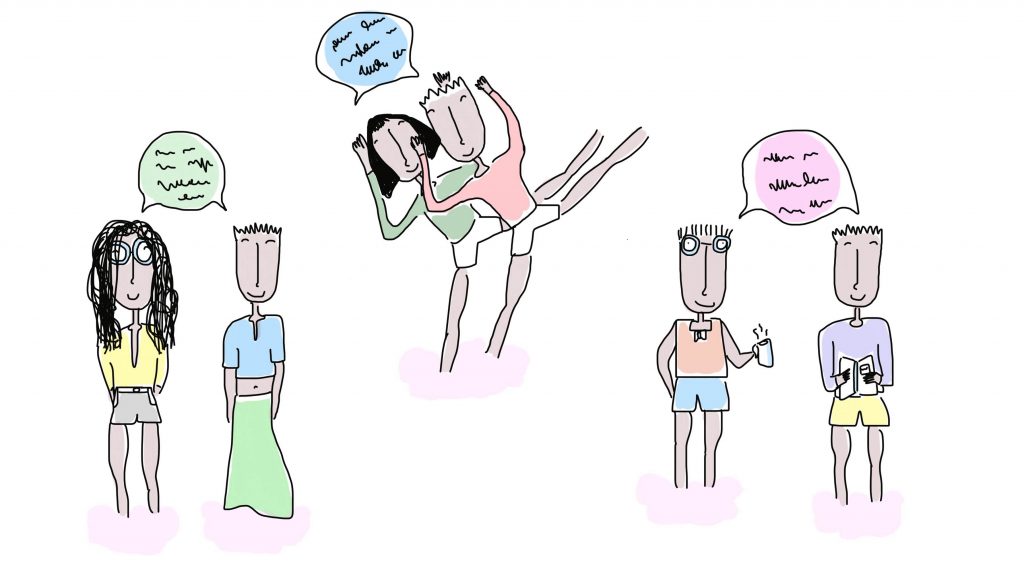
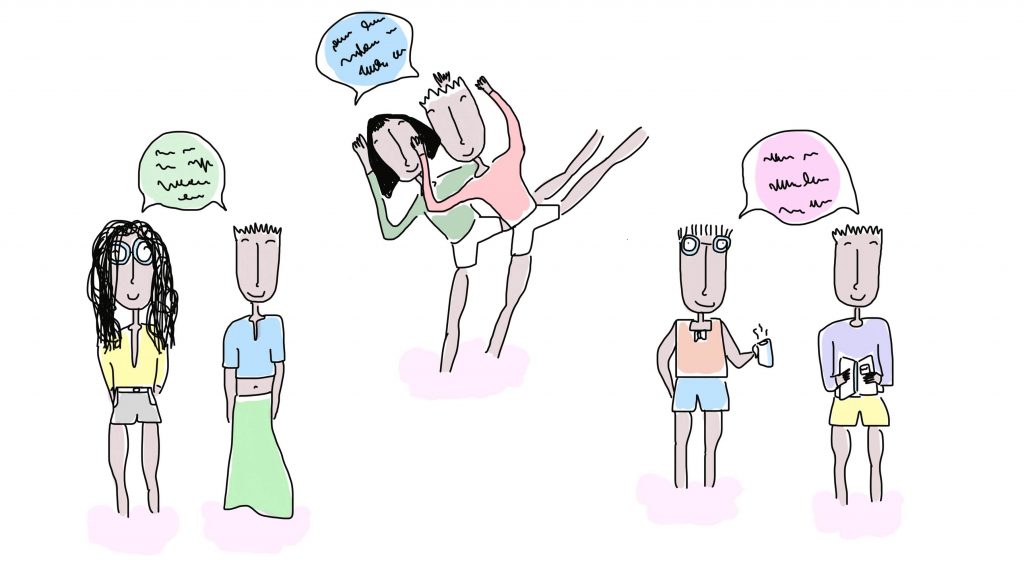
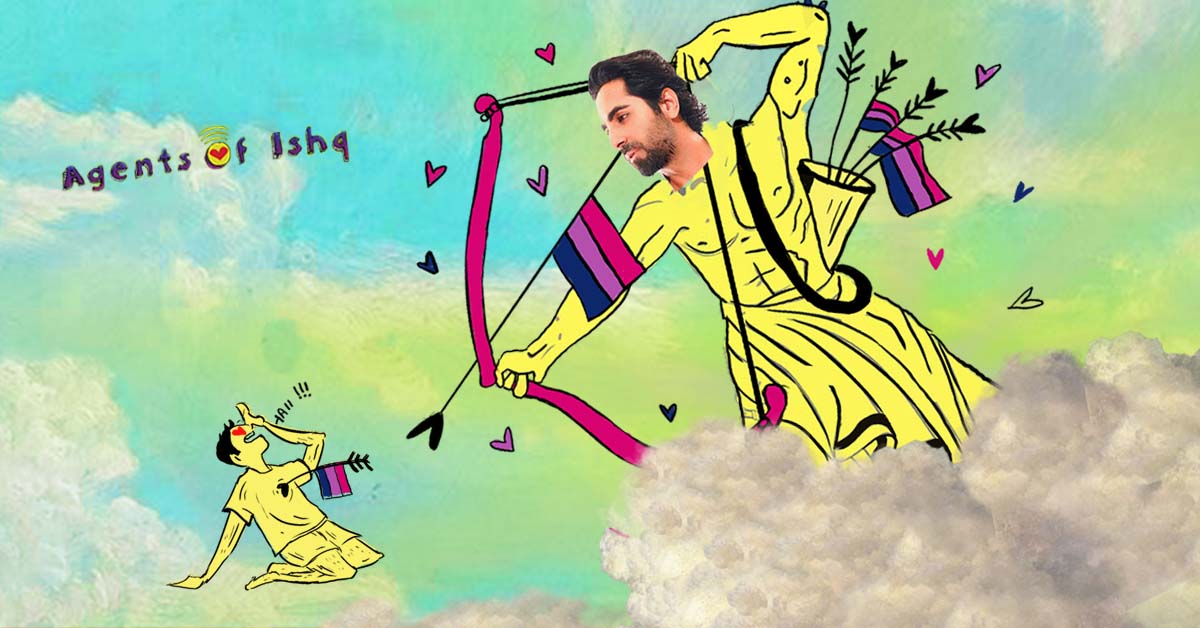
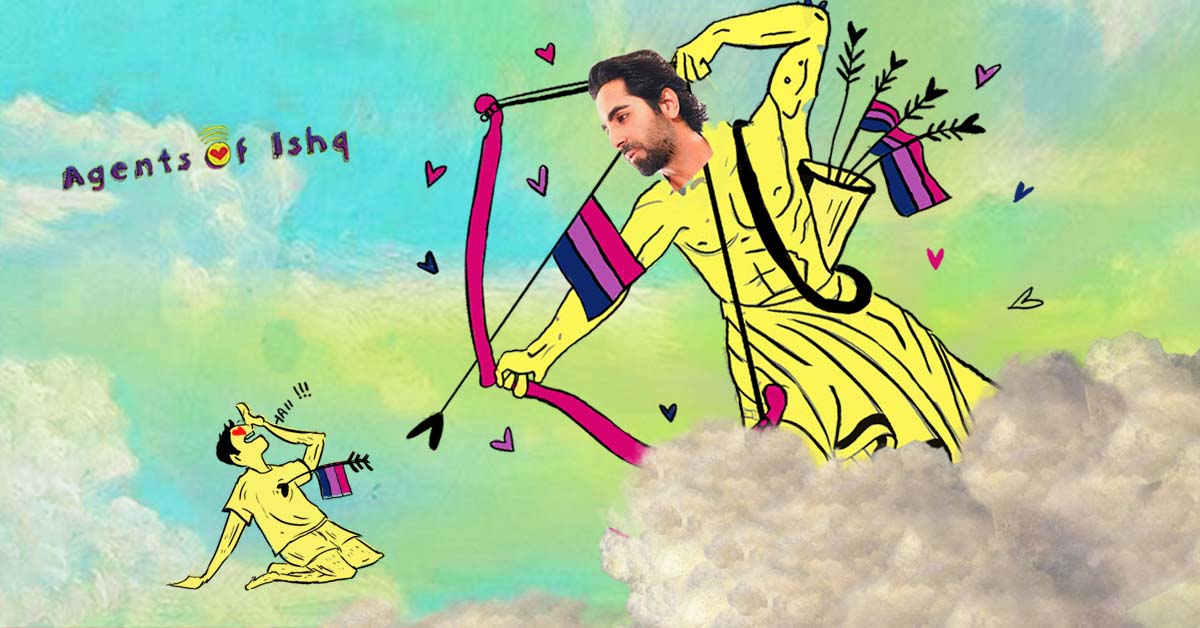
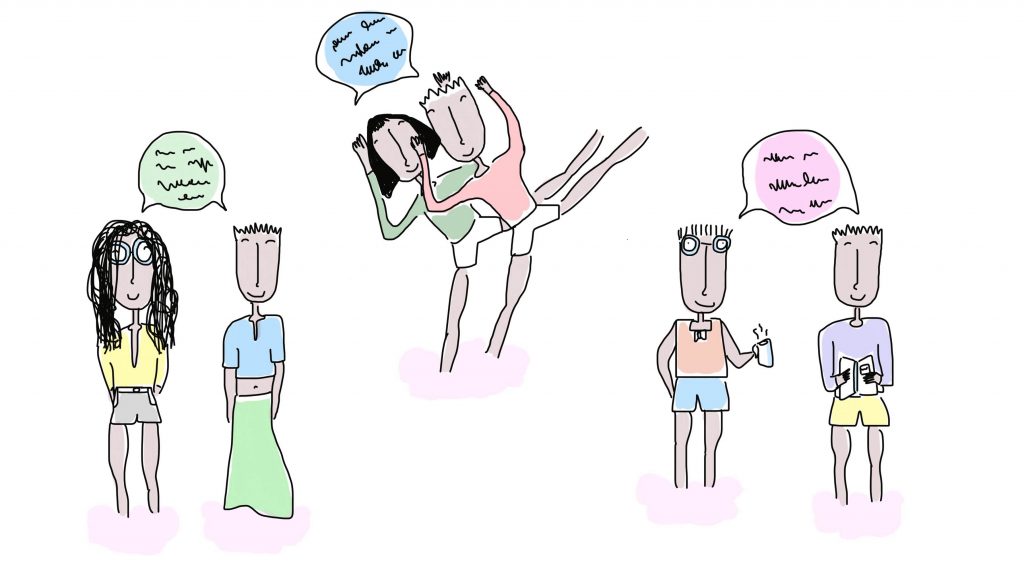
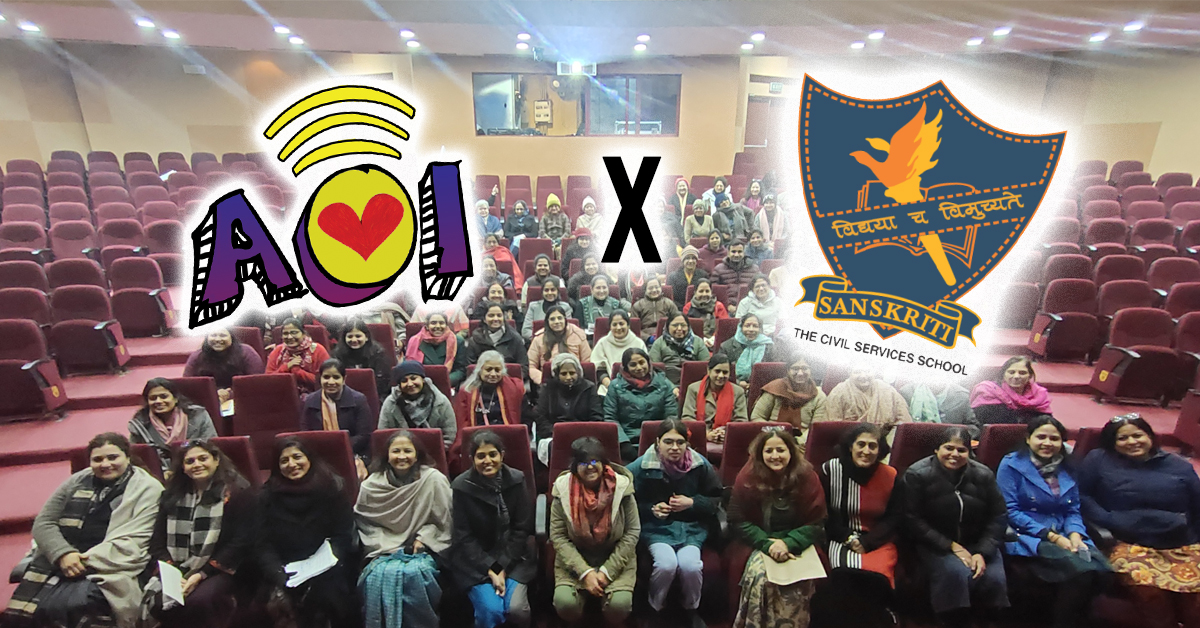
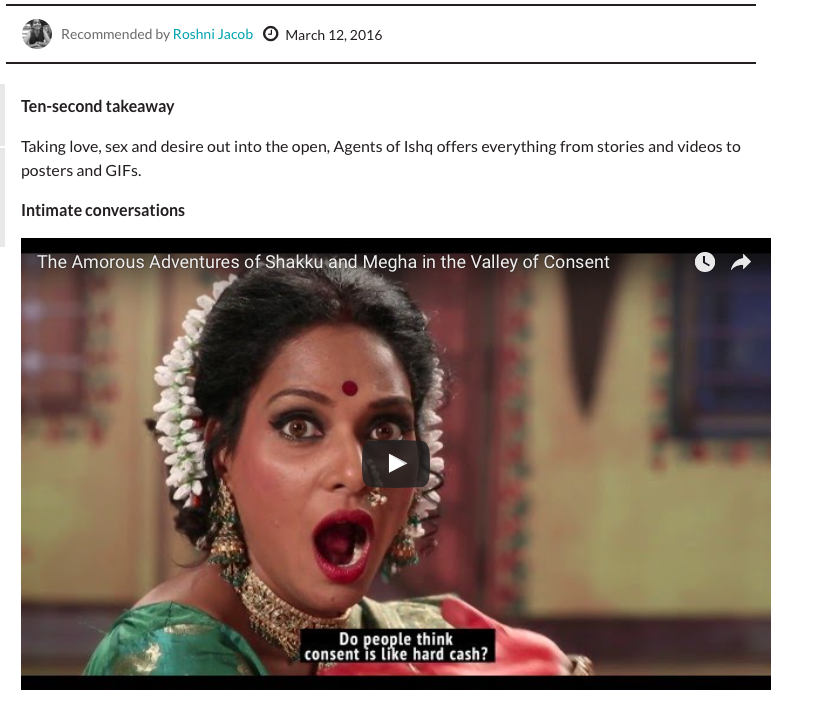
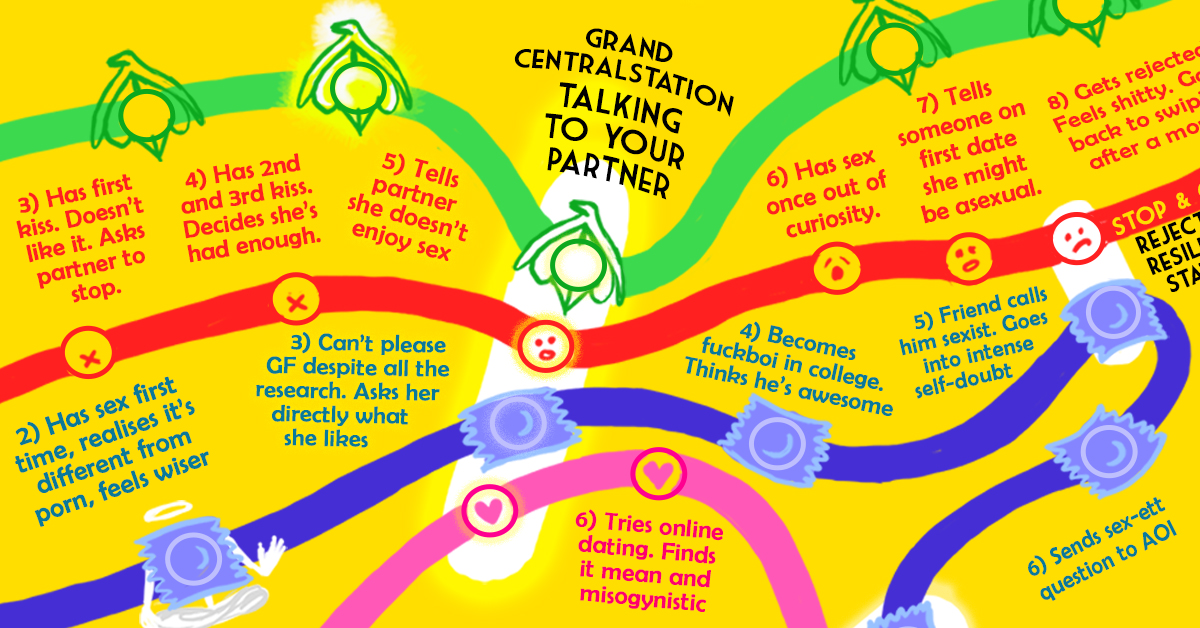
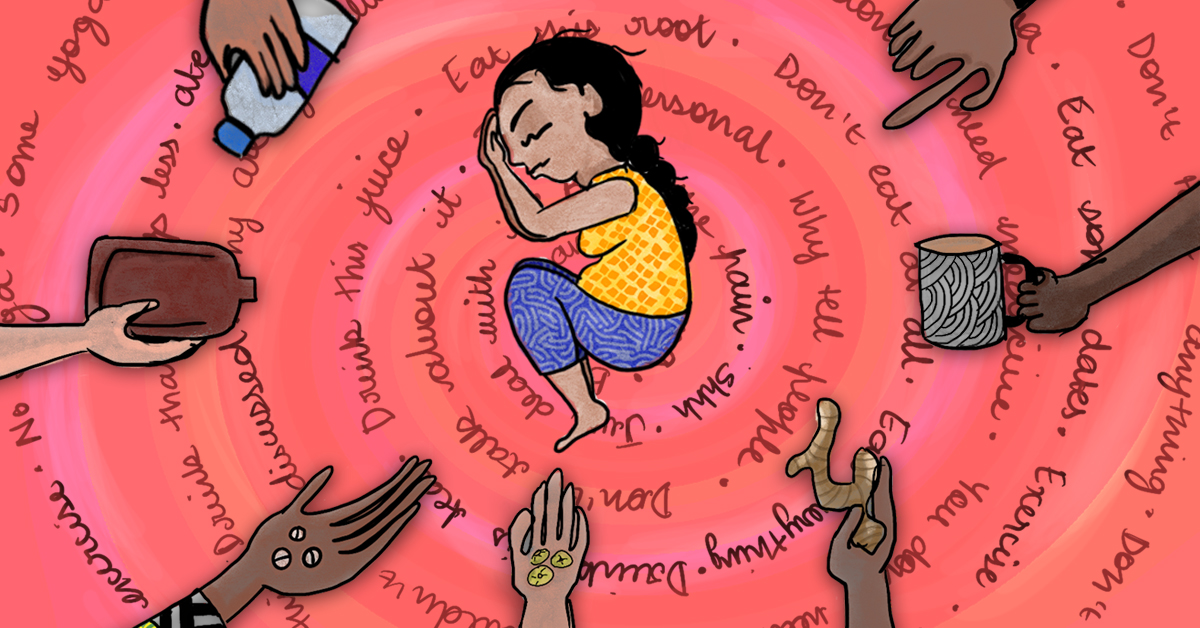
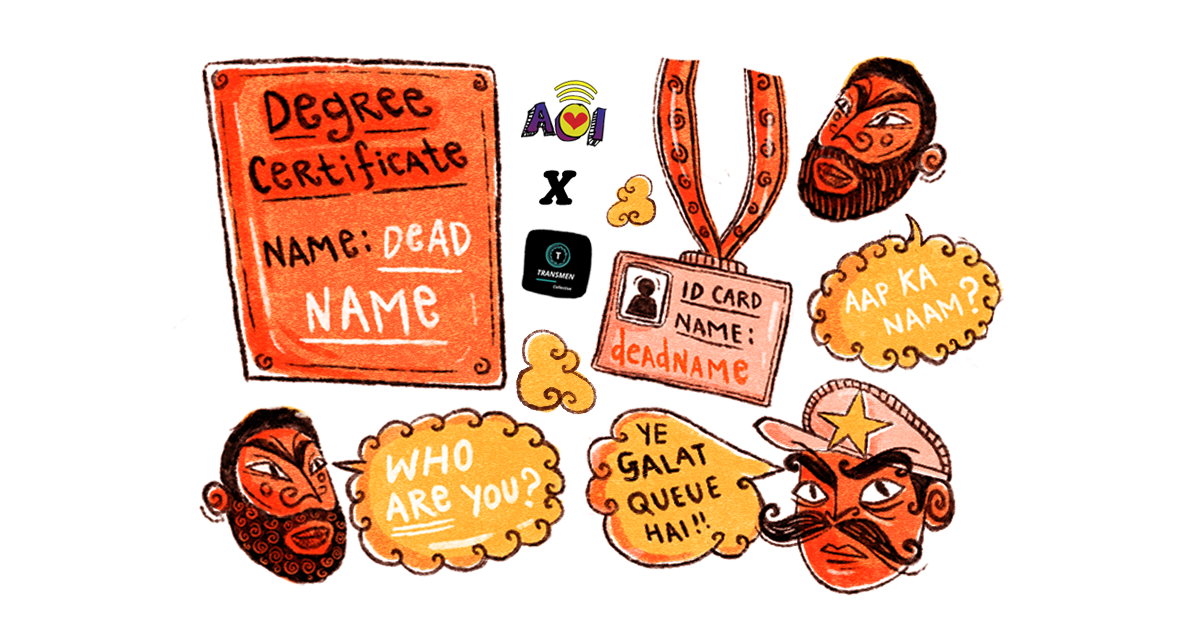
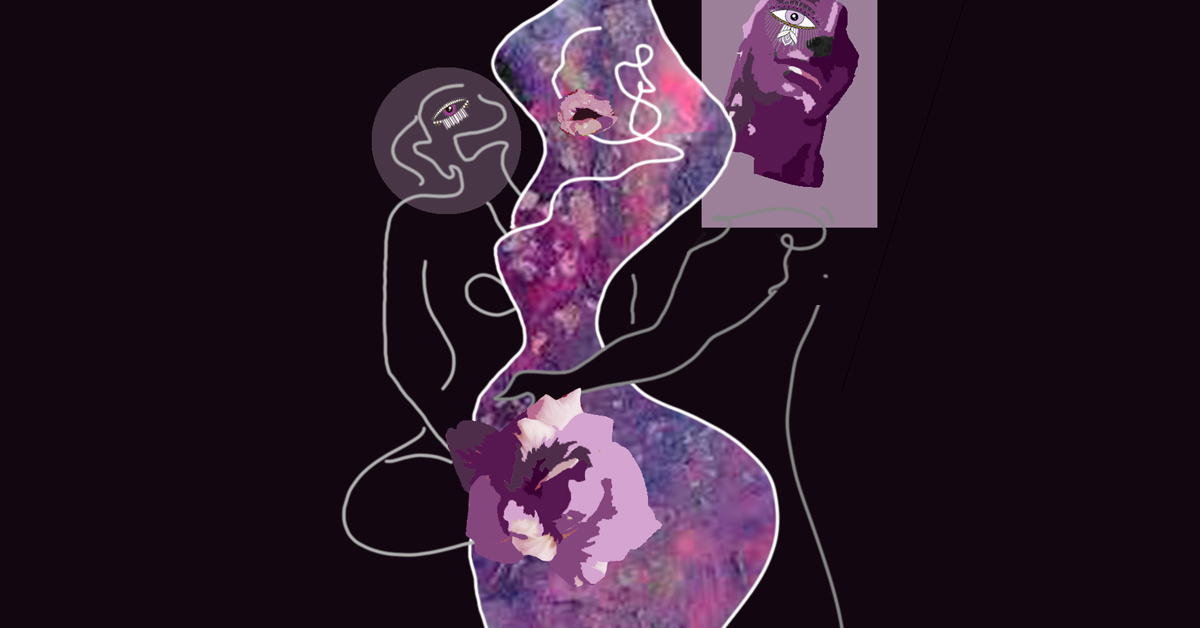
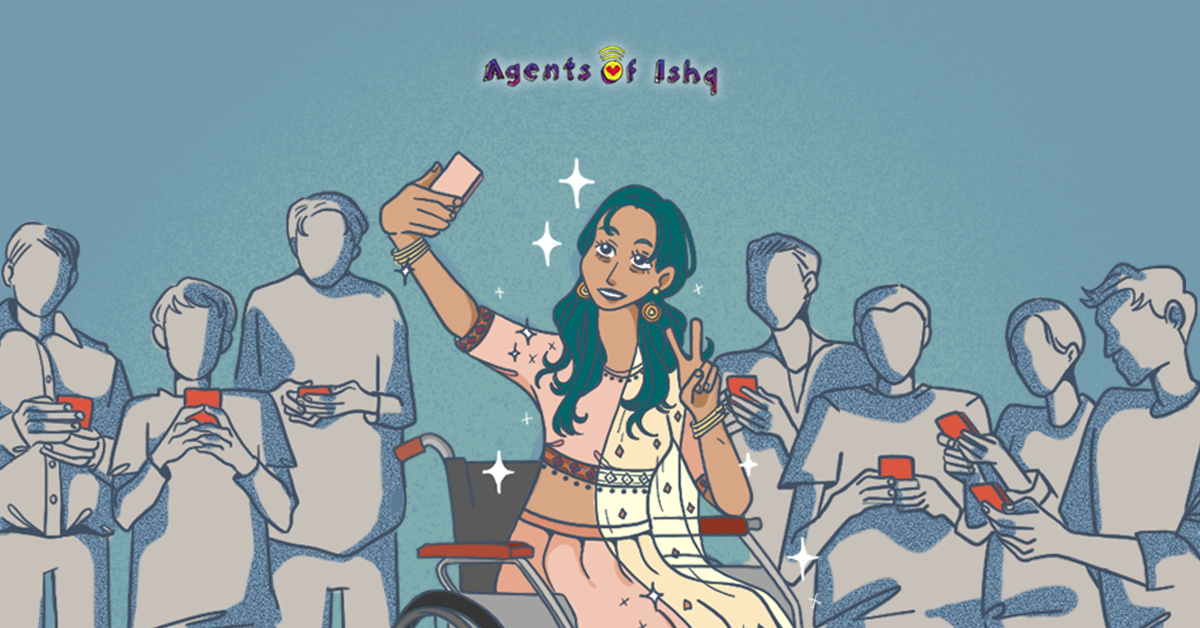
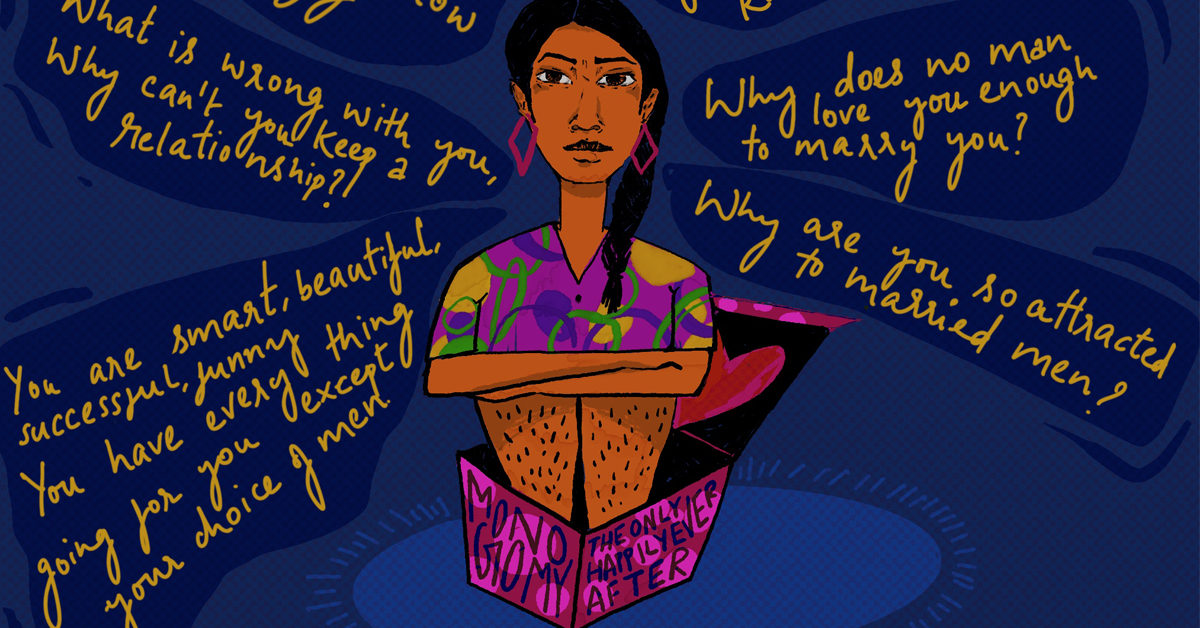
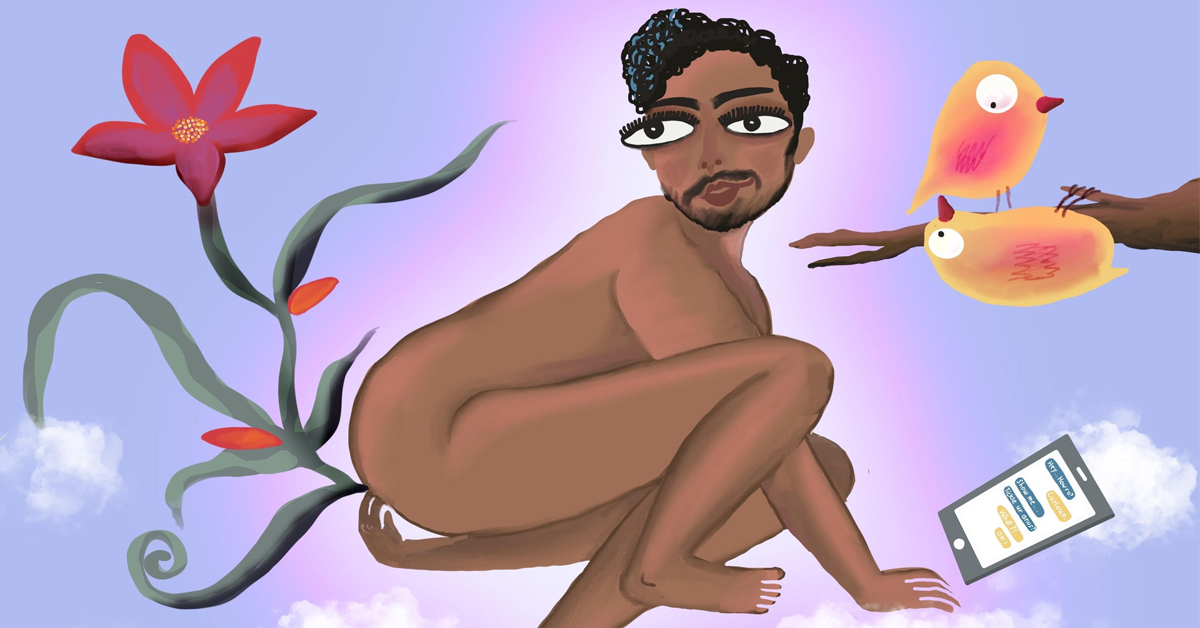
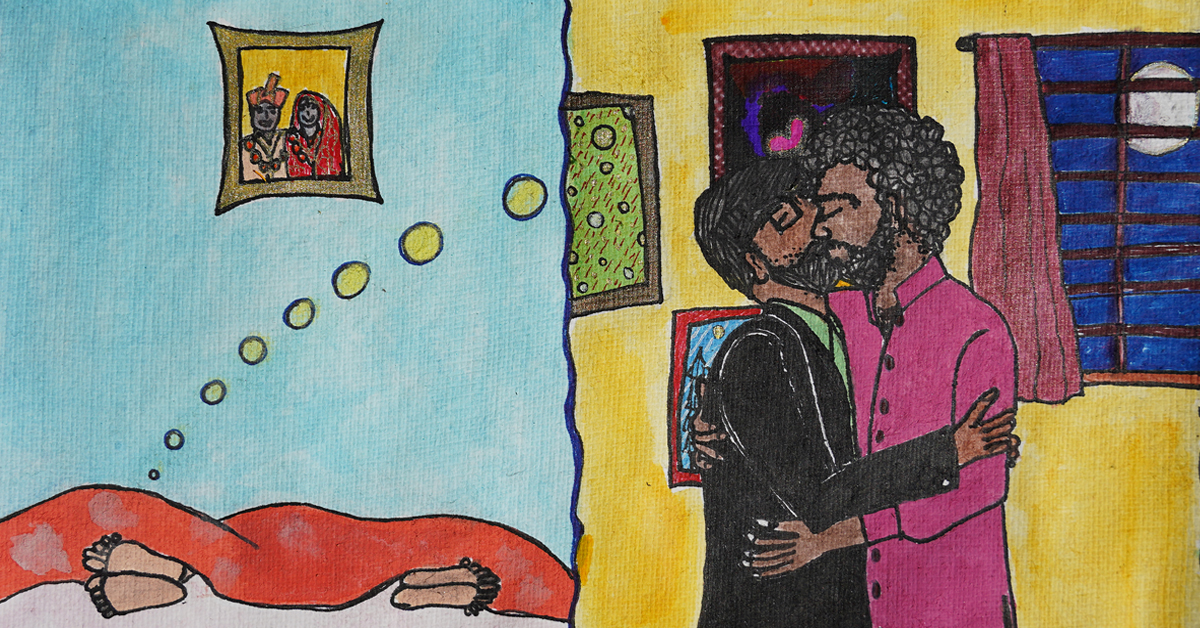
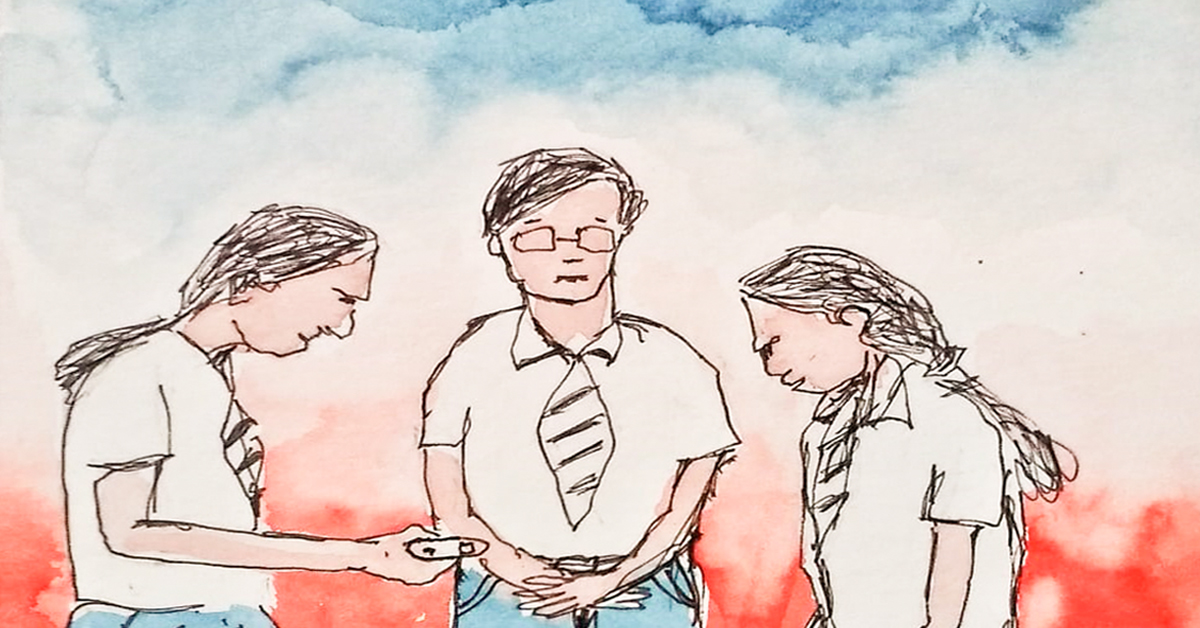
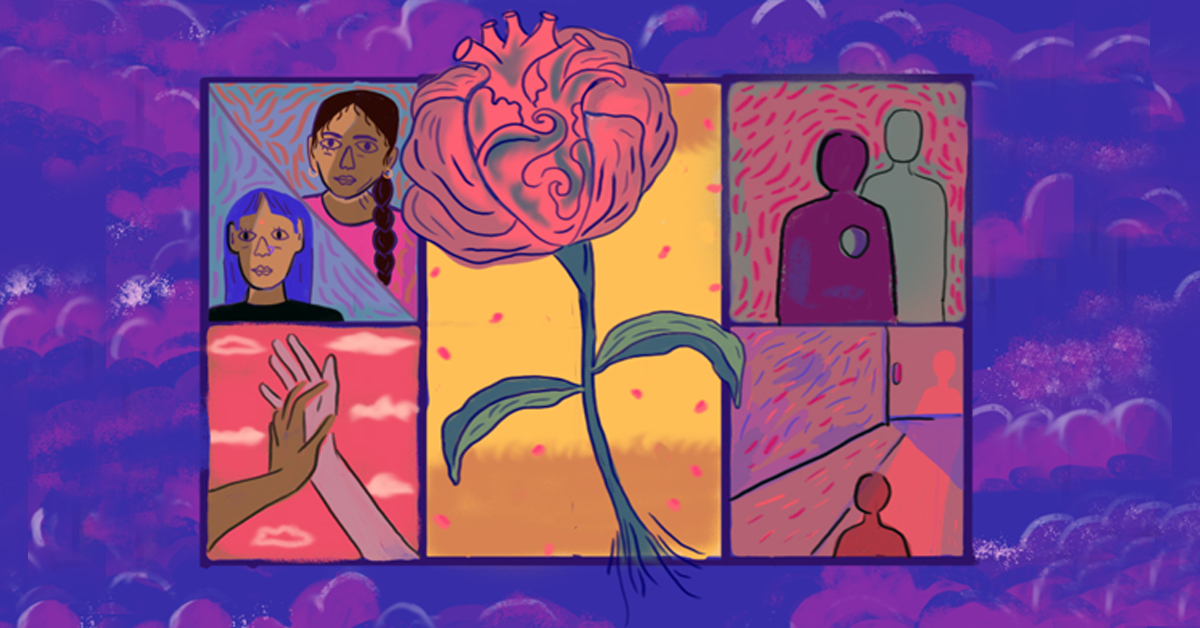
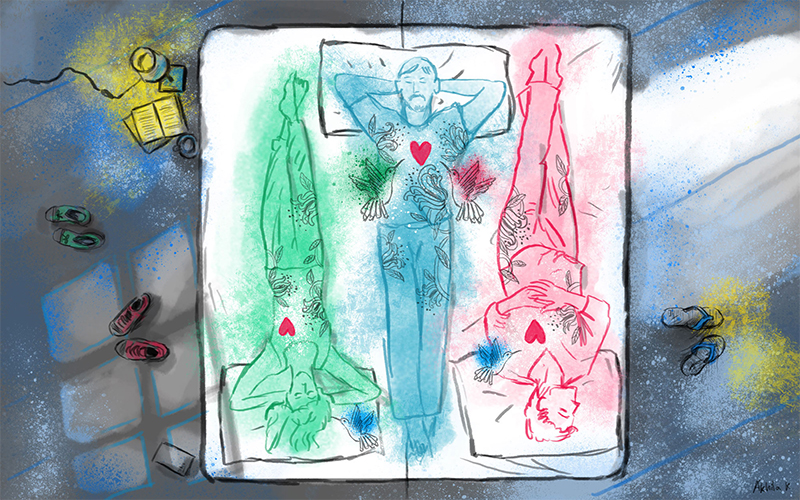
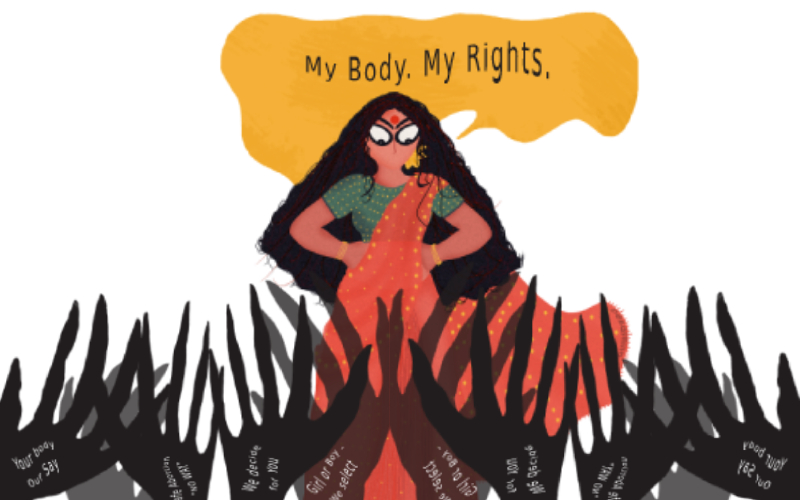
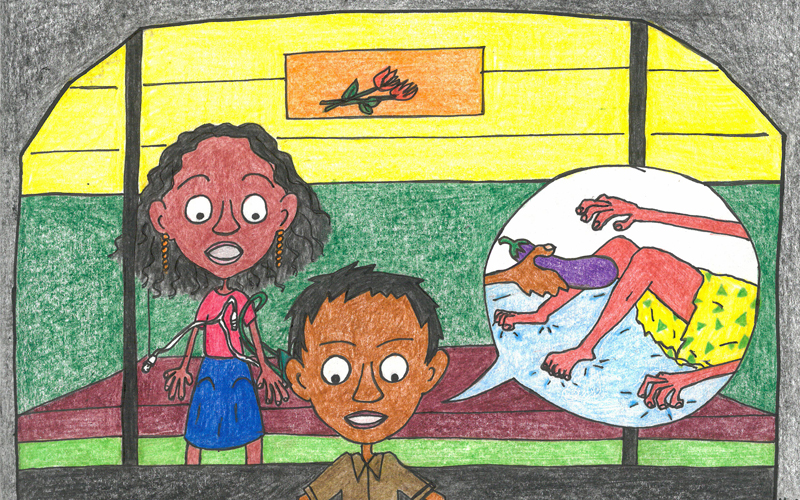
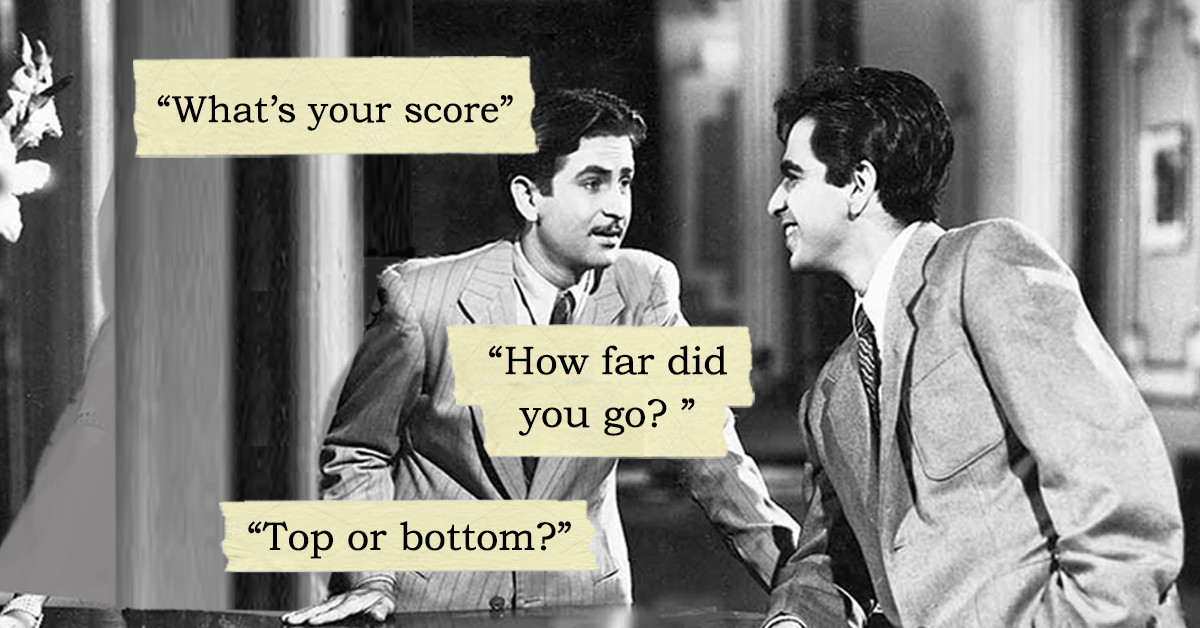
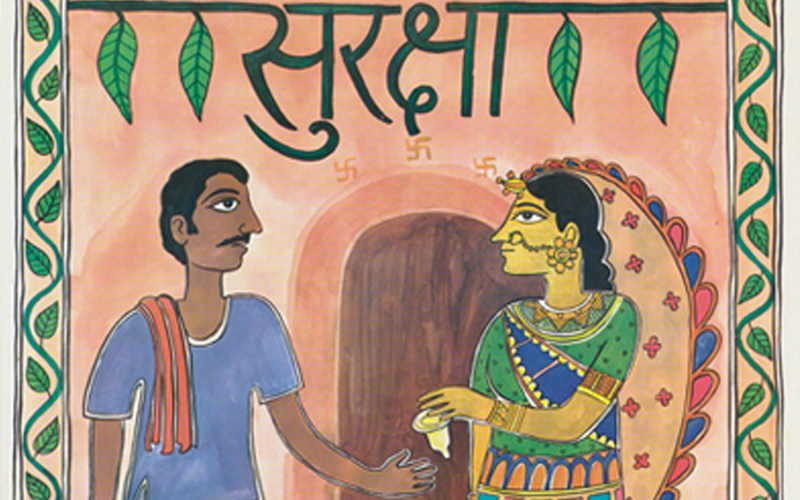
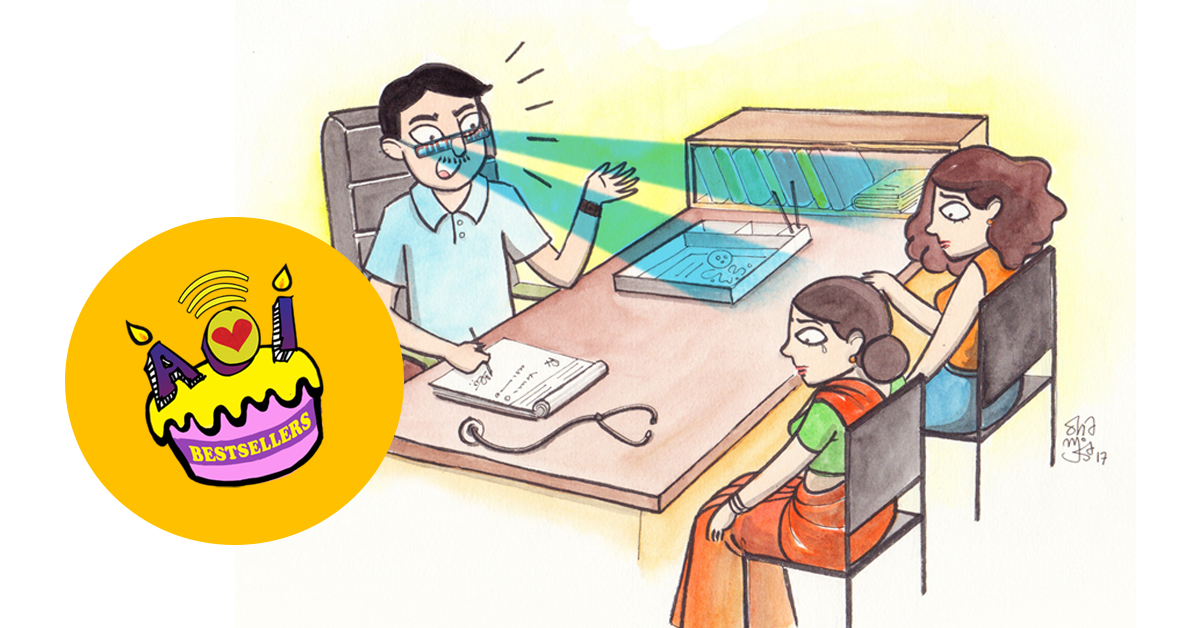
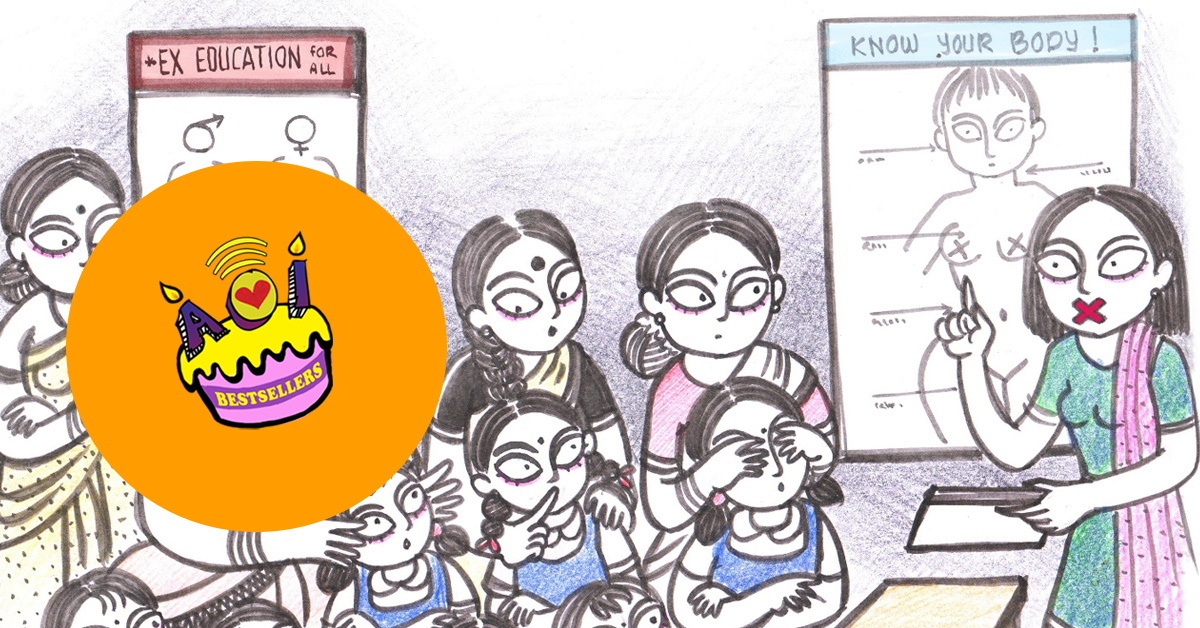
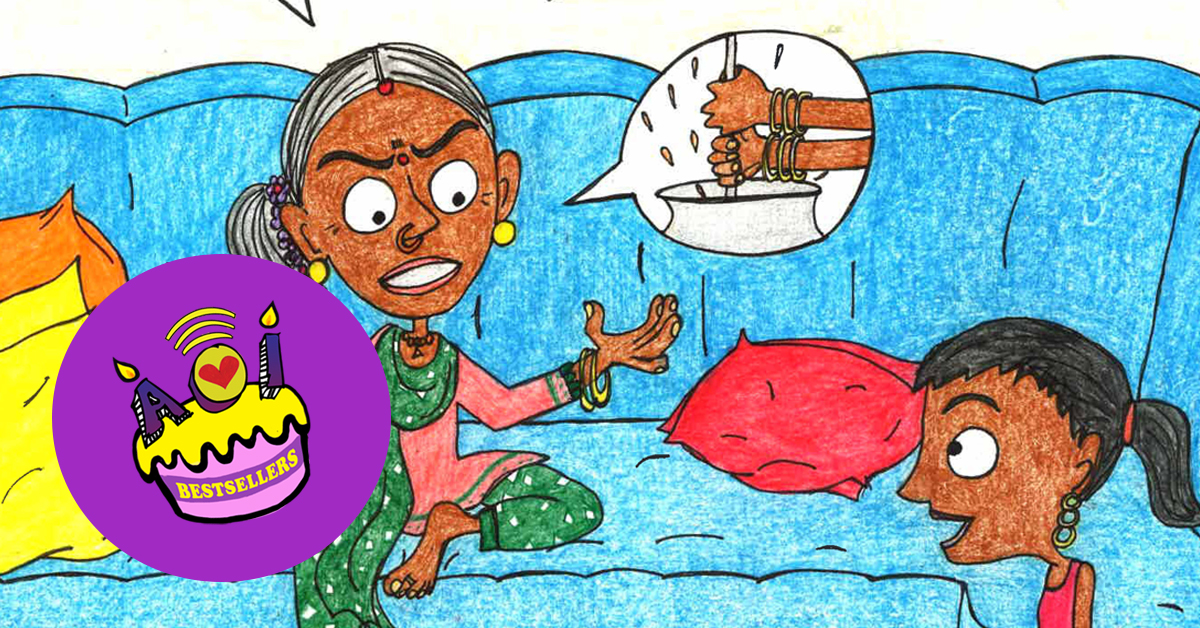
Agents of Ishq collaborated with NALSAR to untangle some of these feelings that emerged through the research, and present them in a series of posts that can be found here.
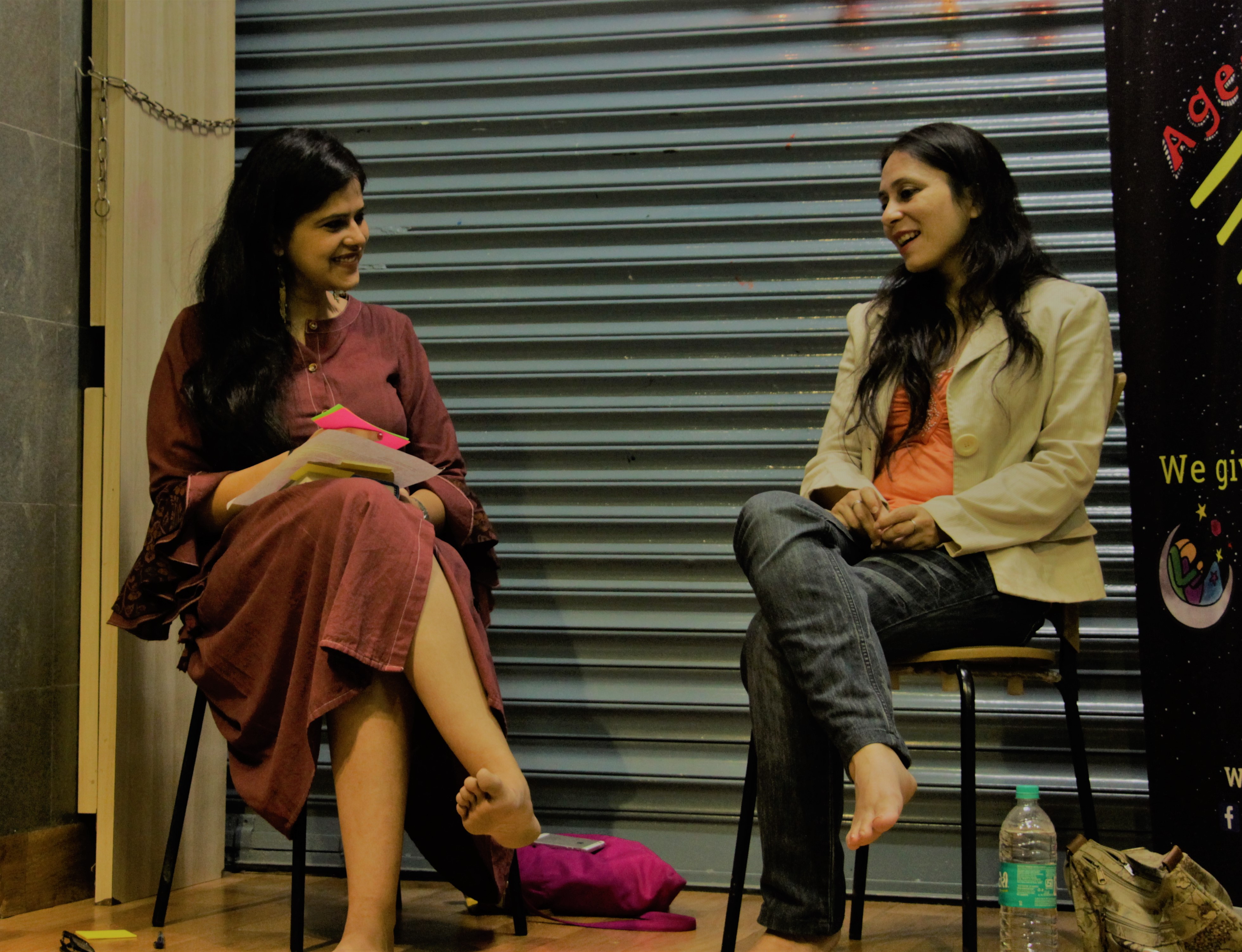
But that was the starting point. We then went back to the teachers who conducted this study to ask them about the importance of asking future law practitioners about what they think and feel, about the fault lines in the relationship between young people and institutions, and what we wish for and from the young.
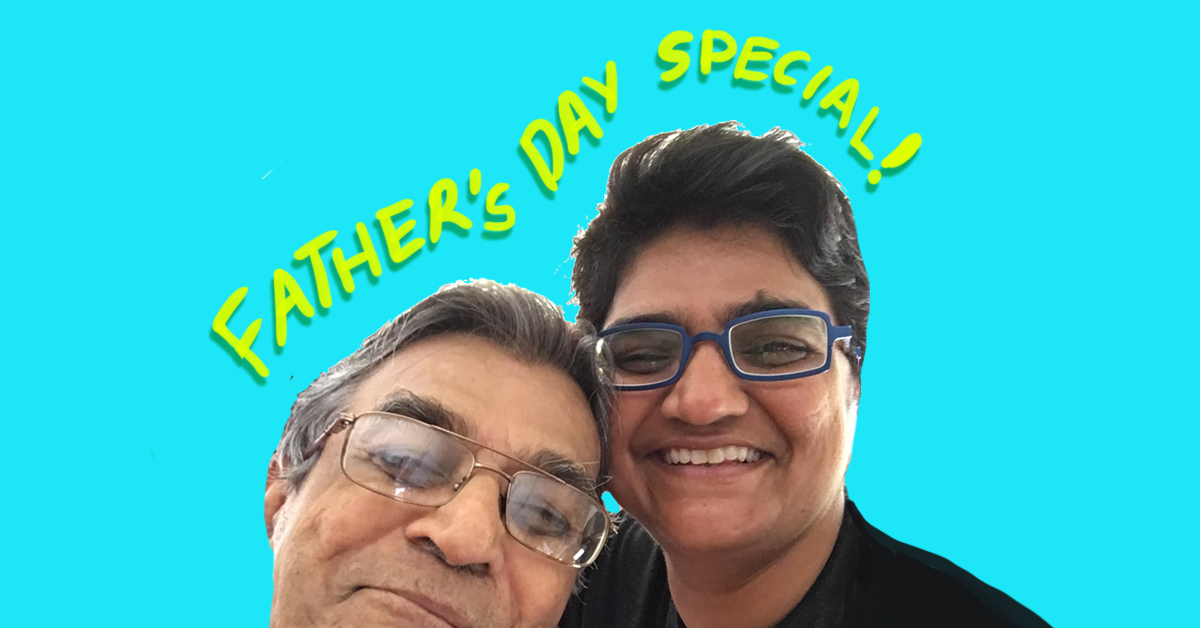
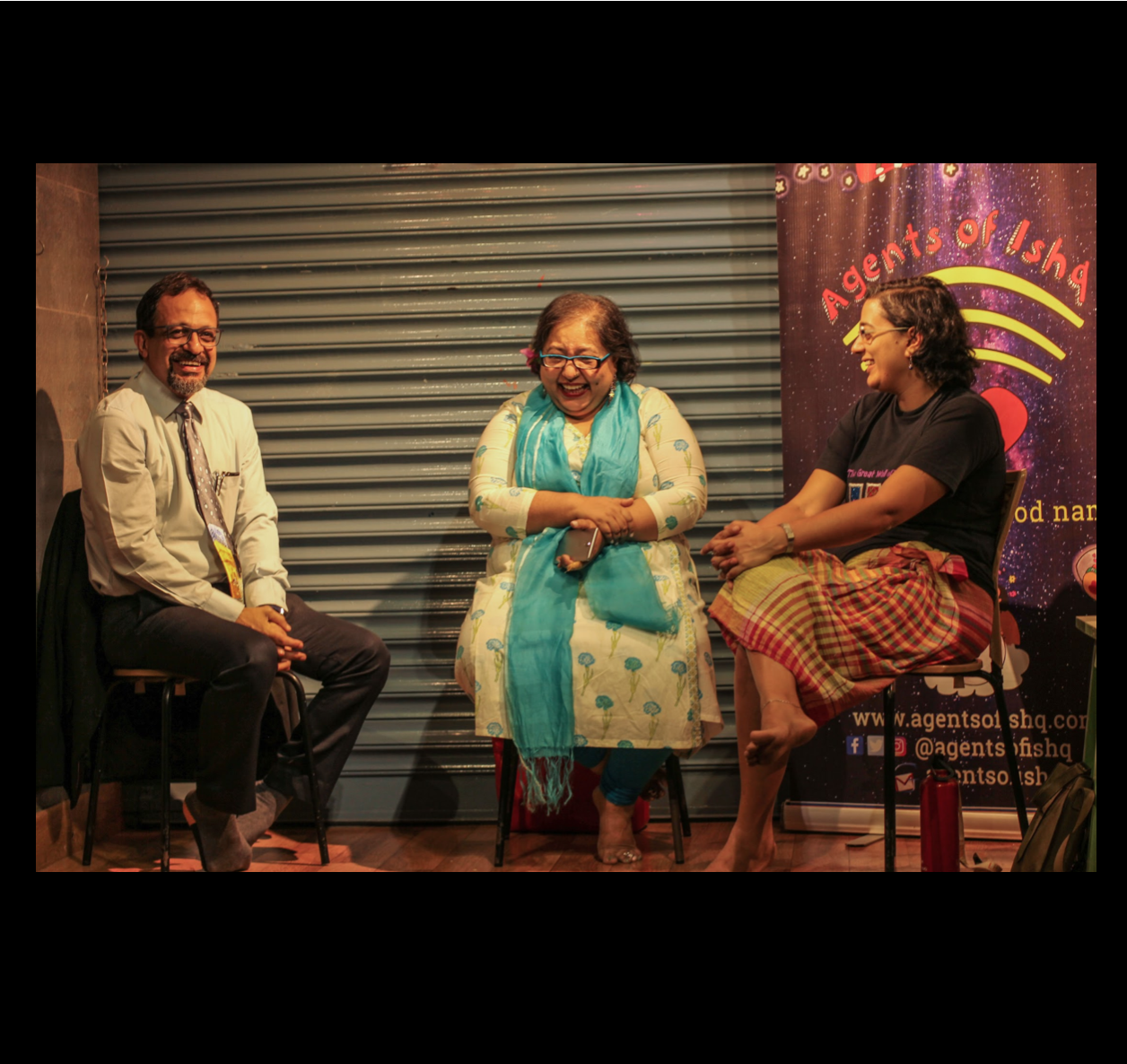
Amita Dhanda is Professor Emerita at NALSAR University of Law. Her research, writing, and advocacy focus on inclusion and social justice, particularly questioning exclusion on the grounds of gender and disability.
Neha Pathakji is an Associate Professor at NALSAR. She specializes in taxation law and examines how commercial laws intersect with human rights. Her work bridges economic regulation and social responsibility.
Prerna is an Assistant Professor at NALSAR, researching anti-discrimination law at the intersection of transness, disability, and caste. They are dedicated to inclusive, student-led pedagogy and interdisciplinary approaches to justice and identity.
Why did you think it’s necessary to listen to the young, especially future law practitioners from National Law Universities?
Amita Dhanda: It’s important to study what NLU students think, and what they do on campus, because what happens in these universities influences the legal system. Tomorrow, these students will go on to become judges or partners at law firms, the prime movers of the justice system. So, it is important to see how these students think, what they are capable of doing and also to consider what we should equip them with to make them more capable. To understand how much critical understanding, what kind of legal understanding they have.
Neha Pathakji: It’s necessary because unlike other law colleges, where students arrive after their graduation, when they are around 21, students come to NLUs right after school. They will step into adulthood here, this is their first exposure to the world.
Amita Dhanda: A lot of NLUs are residential campuses, away from the city. So students depend a lot on their interactions on campus. You start your day with each other and you end your day with each other. Life revolves around the faculty and the institution. It is not a small part of their life, but their life for these five years.
What did you have in mind while designing the study?
Prerna: UNFPA was interested in NALSAR University looking at how young people experience sexual reproductive health choices, how they make sense of questions around sexual autonomy and choice. When we started the research, we asked ourselves: “What would be the best way for them to talk about the sensitive aspects of their lives?”
A survey could have covered more students and universities but it would be very impersonal. One-on-one interviews are influenced by the power dynamic between the researcher and the students. So, we settled on focus group discussions as the best way forward.
We put a lot of thought into the choice of researchers who would do the interviews (laughs). [They had to be] non-threatening people, dressed in bright and casual clothes. We tried not to appear as figures of authority. We made our best effort to make sure the students felt comfortable.
We never had more than 15 students in a discussion group. We also promised anonymity to the students.
We paid a lot of attention to representation. Yes, NLUs are predominantly elite institutions, but they also have first-generation learners, people who have come in through the reservation system, people with different sexualities, etc. We curated the groups in a way that multiple voices were represented in the room.
Tell us a little bit about your intent, as researchers and educators, going into these rooms.
Prerna: From the start, we were clear about our role as researchers: we weren’t here to build a case against the institutions. Our goal was to make the administrators aware of the students’ real needs — to show them what young people are actually feeling, facing, and talking about.
We also wanted to know how students see themselves in a law school. Do they feel powerless, or do they feel they have some agency in shaping the spaces they live in?
These conversations needed to reach the administration — the need for healthcare, understanding consent, sex ed, and the emotional realities of the lives of the students. We also wanted the students to realise that they could ask these things of their administration — better, safer, more caring systems.
What surprised you the most about the conversations? What was the least surprising?
Amita Dhanda: Their wants, needs, and expectations were not surprising. But the students’ risk-averseness surprised me. I was surprised by the extent of meekness in accepting nonsense, whether from their parents or the administration or the outside world. At my age, I still feel I can tilt at the windmills and to have 17-year-olds to be this risk averse was too much for me to take.
Prerna: I was not surprised that students are distrustful of the administration and vice versa. But yes, their aversion to risk – and how frank they were about it – was surprising. Giving up agency is also a choice, and they were totally okay about the choice they were making.
For instance, on dating choices, they are very aware of how small things like ‘choice of music’ have class and caste connotations, but still they would go on dating apps and swipe based on these things and choose not to go beyond these barriers.
Amita Dhanda: They were barely politically correct. They did not feel any hesitation in voicing their prejudiced views.
Prerna: Yes, they didn’t think of these as prejudiced views, they just claimed them as their choice!
It is a very commodified understanding of rights. They look at themselves as commodities, and so they also see their rights in a commodified manner. For them, rights are not something that are a meaningful aspect of life that make us full human beings. Instead, they weaponise the language of rights to defend their discriminatory choices.
Neha Pathakji: I felt they could say these things in a small closed group. But I do not think that they would be able to say or reiterate them publicly. They are not able to take ownership of their issues. And I got the feeling that they might be more than willing to outsource their battles to someone else who might be able to fight for them.
Where does the distrust between the administration and the student body stem from? Can we improve this relationship with a culture of care?
Amita Dhanda: It depends on what the administration chooses to concern itself with.
We have this saying in law that let a hundred guilty people escape, but do not let one innocent be punished.
Take the matter of providing reasonable accommodation to all students. If the administration is focused on making sure that no one should be able to rig the system, even if that means that some students who need extra support lose out, then a culture of suspicion takes over. But if they think that even if some students end up taking advantage of the system, everyone who needs help must get help, that leads to a culture of care.
What are the constraints on the institution?
Neha Pathakji: Administrators are entrusted with the safety and well-being of the students by a governing body and parents. So even if you may be personally sympathetic towards the needs of the students, you have too many people to answer to, and you are given a code of conduct to follow. The reality is that till the time everything is going fine, nobody will ask a question but the moment something untoward happens, the administration is responsible. Nobody wants to run that risk. Consequently, there will be hostel timings, CCTV surveillance, etc.
How will the focus group discussions inform your work in the future?
Prerna: So over the process of the discussions, we realised that we should think of ways to bring these conversations into the law school curriculum.
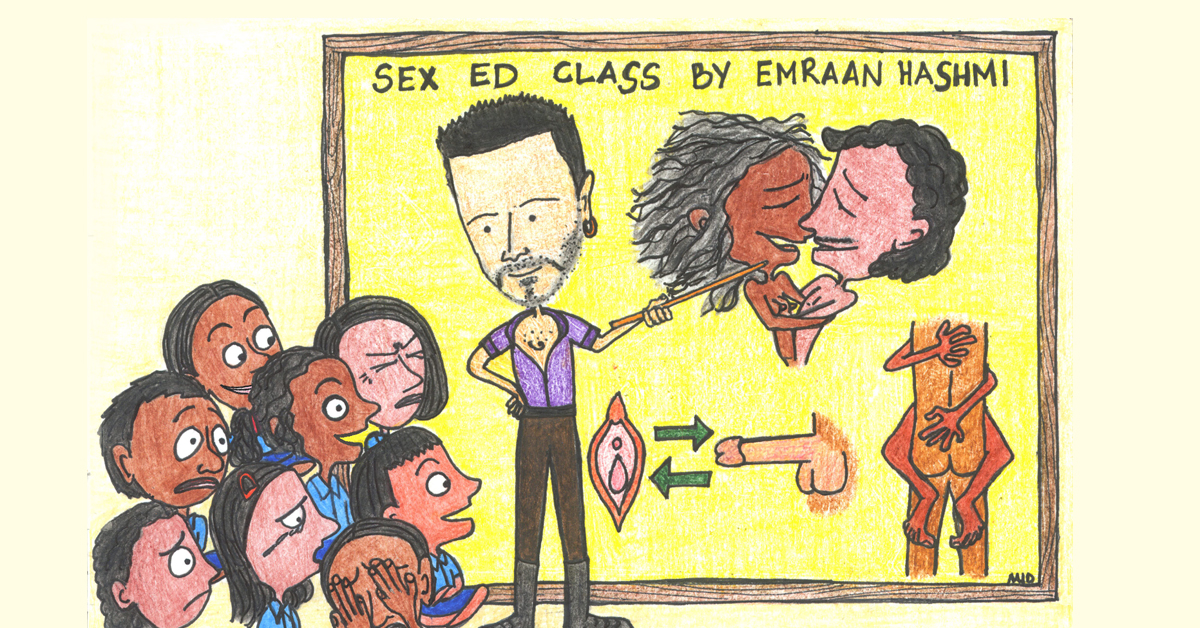
The learnings made it clear that it is important for students to talk about comprehensive sex ed. We learnt that it is imperative that someone teaches them about consent. Not in a wishy-washy manner, like following a check list, but in a true sense of everyday life, as an iterative practice.
The students told us that they want to learn these things as part of their classroom education, that they want their peers to learn too. The law school should have the responsibility to educate, and if it’s not doing this, then it’s failing the students in some sense.
What do you wish for your students as an educator? As people who are learning to practice the law, who will eventually find their place in the justice system, and have a voice not only in their own lives but also the lives of others.
Prerna: I wish for my students to be competent. I want them to become good lawyers who know the law. I want them to be courageous, where they fight their own battles. I’d also like them to be caring, not only about themselves but also care about the world, about the other, so they can use their competence and courage to be socially relevant.
Neha Pathakji: I would say occasionally they should have the fire that young people have. Ek aag hoti hai na, woh nahi hai.
Prerna: Jahaan aag rahi hai, they have been penalised for it. They have been made an example.
Amita Dhanda: I would like to provoke them to think, and liberate them to feel. That’s how I would want the work we have done to go forward. We need every teacher to understand that information is not all that we need to provide in the classroom. We have to feel with the head and think with the heart. When you teach freedom, you have to also teach people how to use it.
Why is the world of feelings important, and what does it have to do with law?
Amita Dhanda: Everything! Everything. Because law is about advocacy, about a sense of justice. Whether or not I know what is just, I know what is unjust. And I need to feel something about it, to be able to do something about it.
I was reading this interesting piece in the Nautilus magazine about major scientific discoveries. And it said two things influence scientific discoveries – one is awe, and the other is imagination. Our job as teachers is to give them the kind of conceptual scaffolding to be able to say what they are in fact feeling.
One last question. Are you hopeful ?
Amita Dhanda: Oh yes! I am one of those pakka glass-half-full kind of people.
Neha Pathakji: Sure! I think we will fan all the fires that they are dousing themselves.
Prerna: Delulu is the solulu!