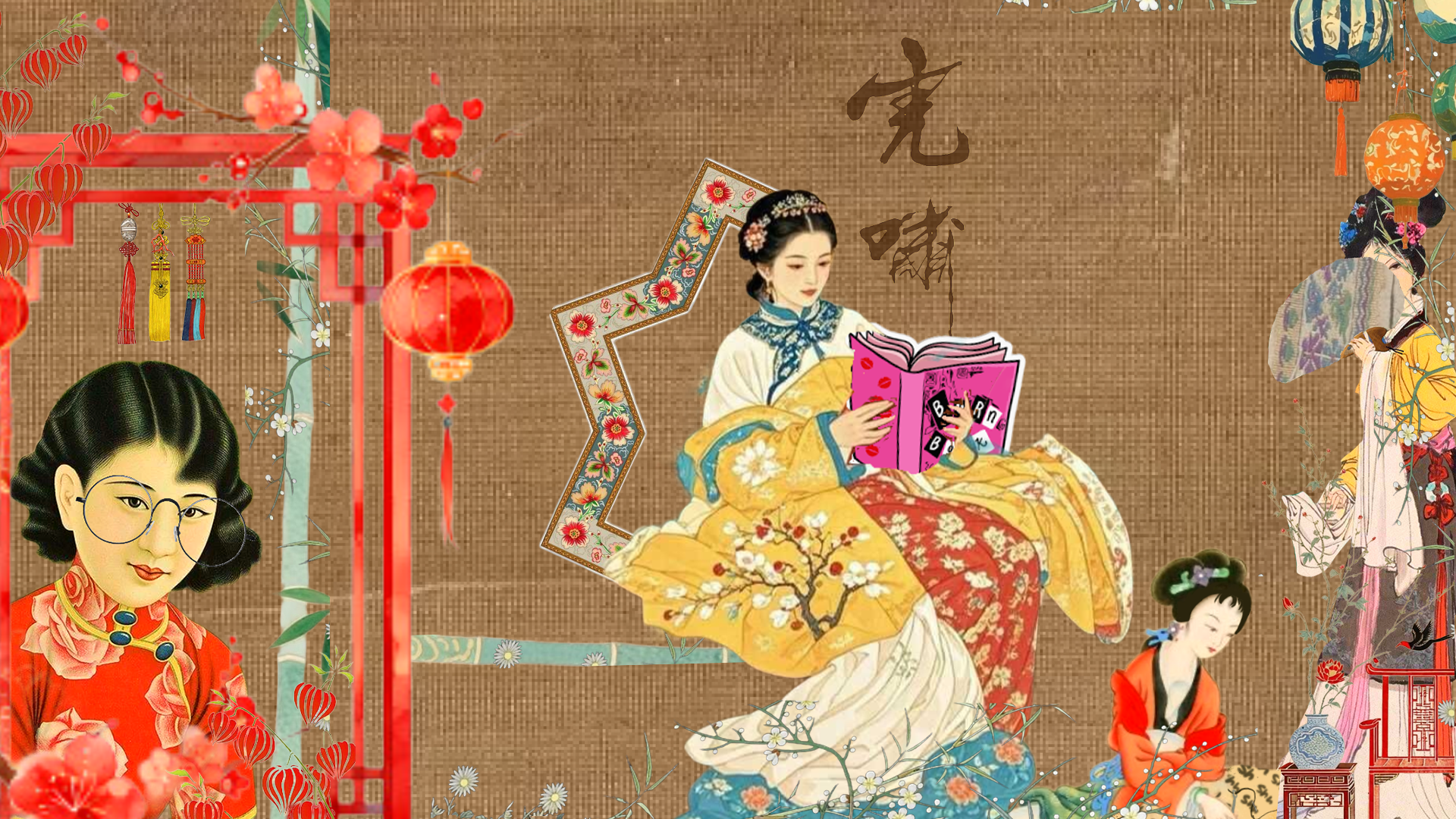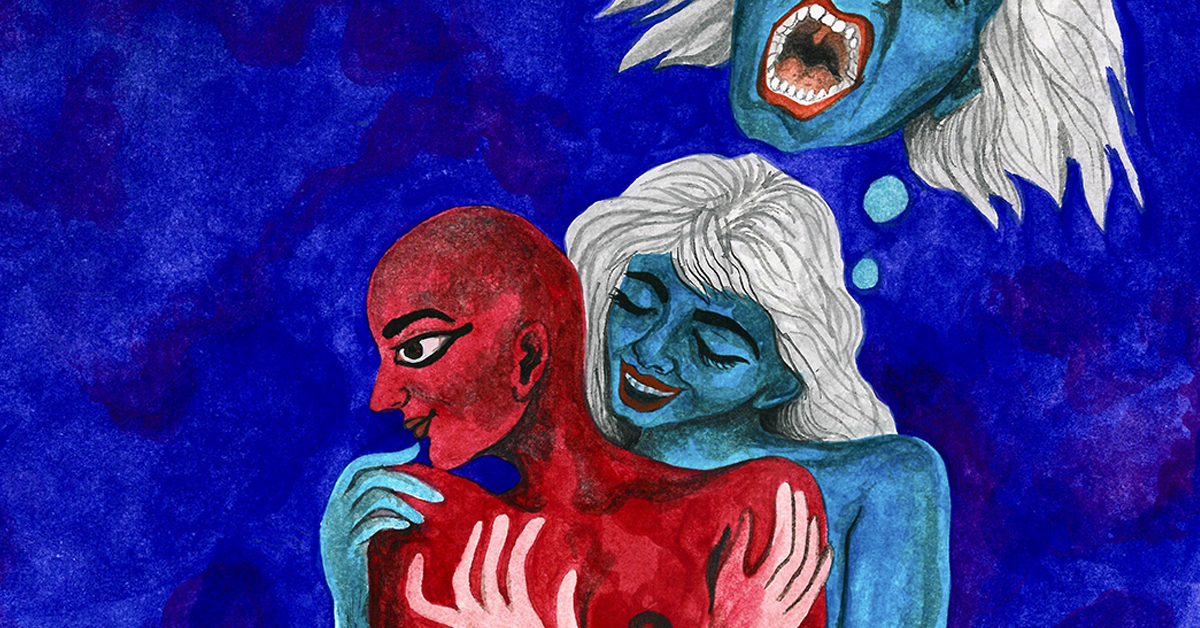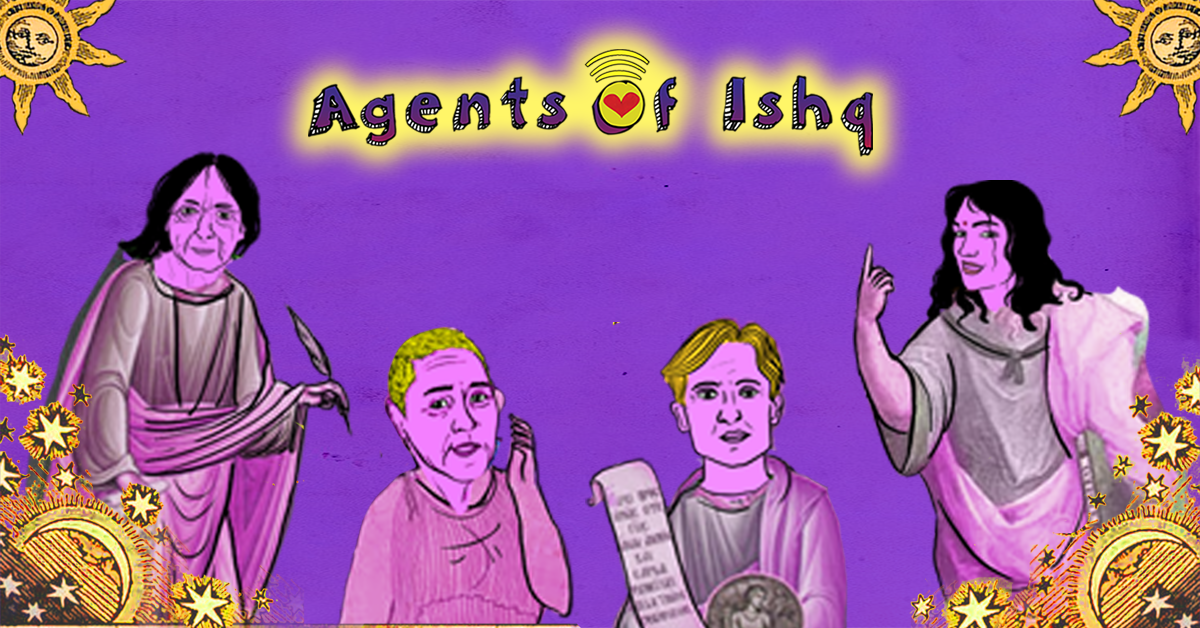

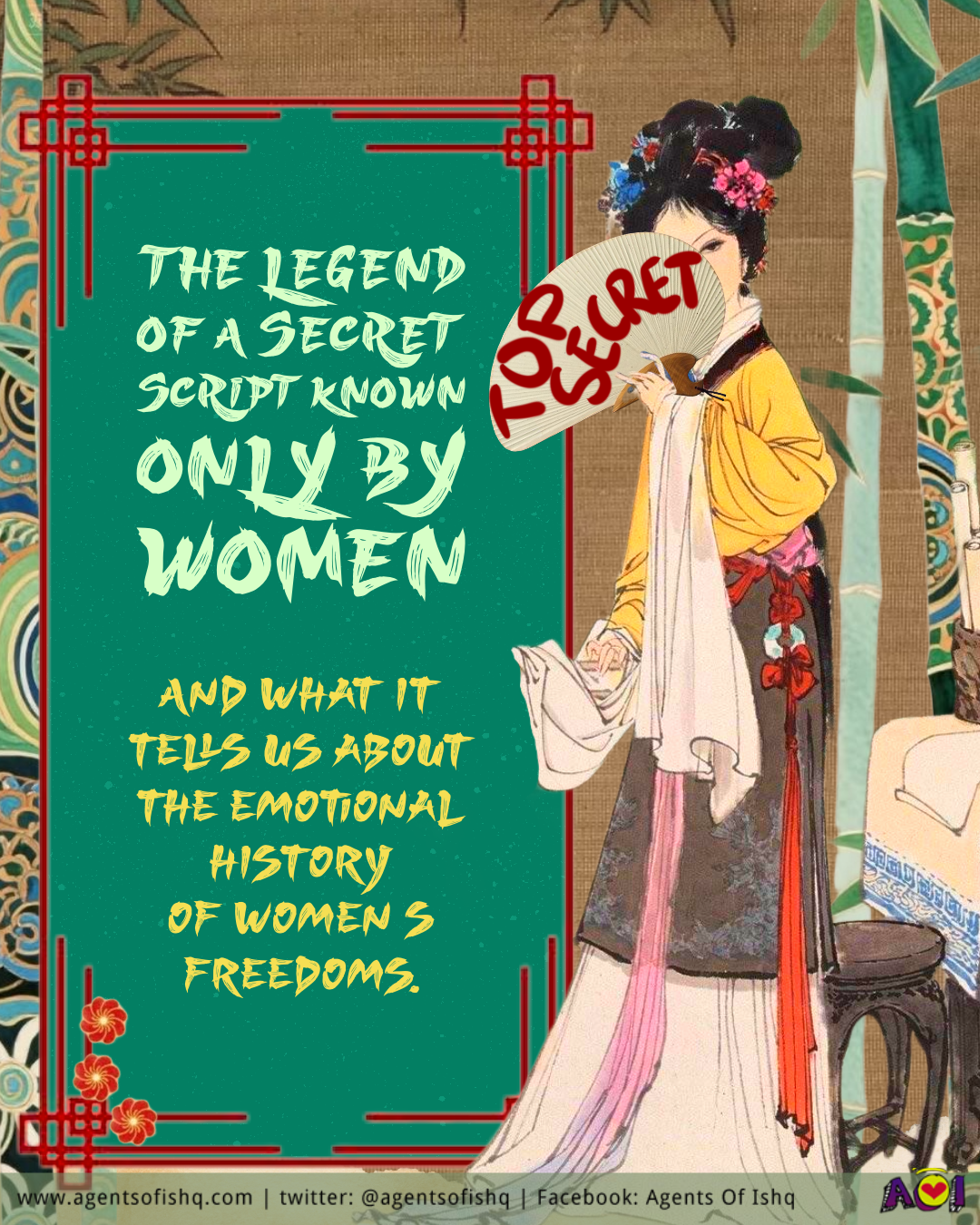
The story of Nushu
(A language only for women)
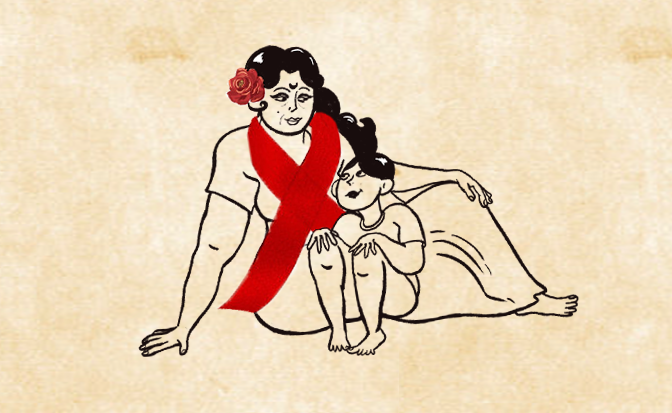
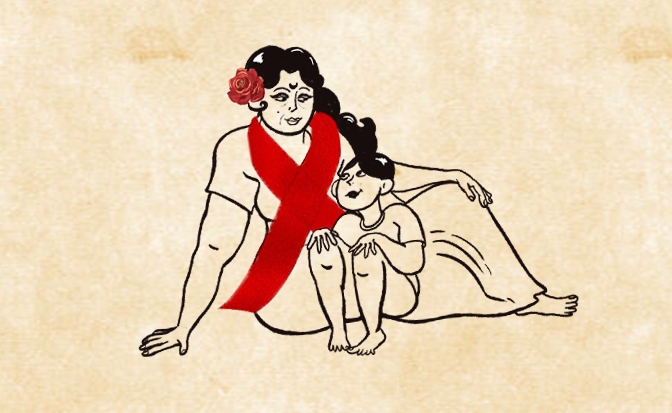
And what it tells us about the long history of silencing women
(Swipe)
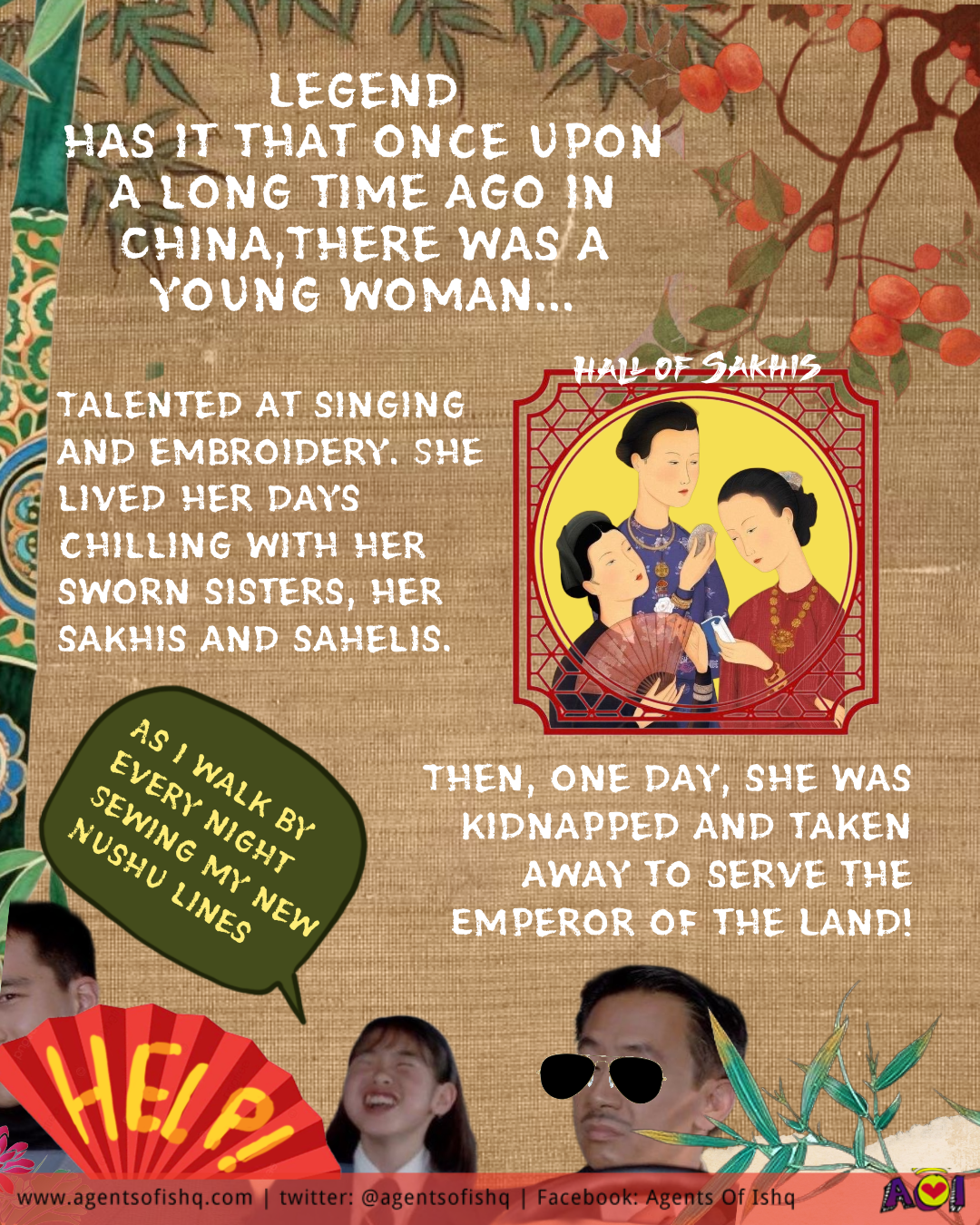
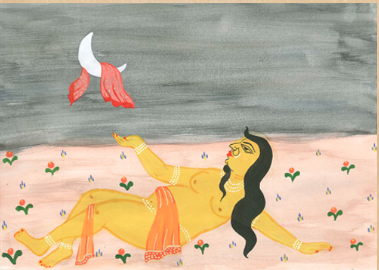
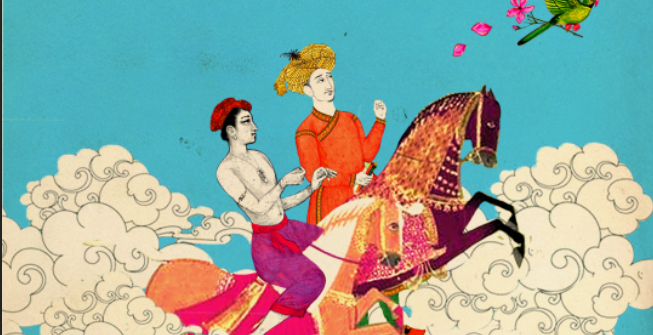
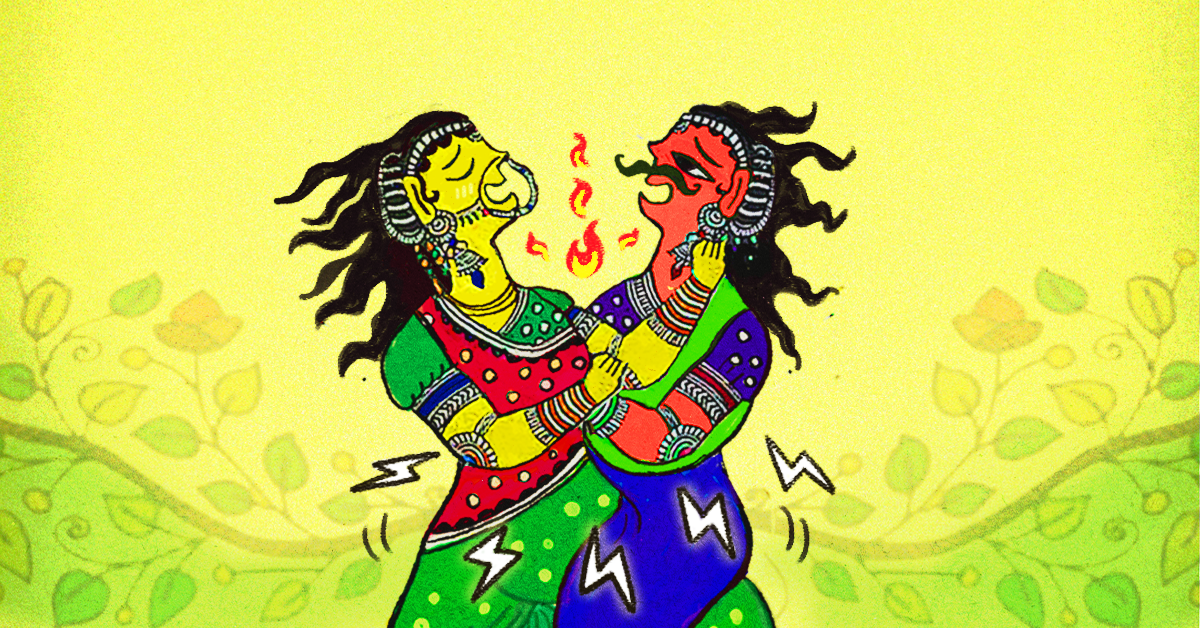
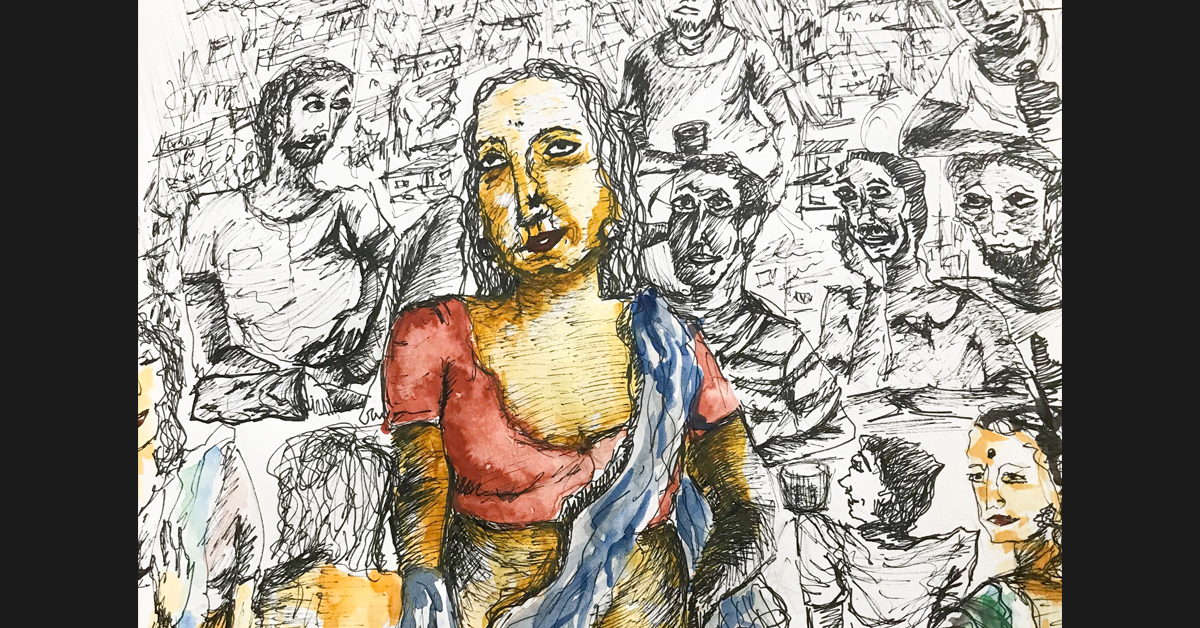
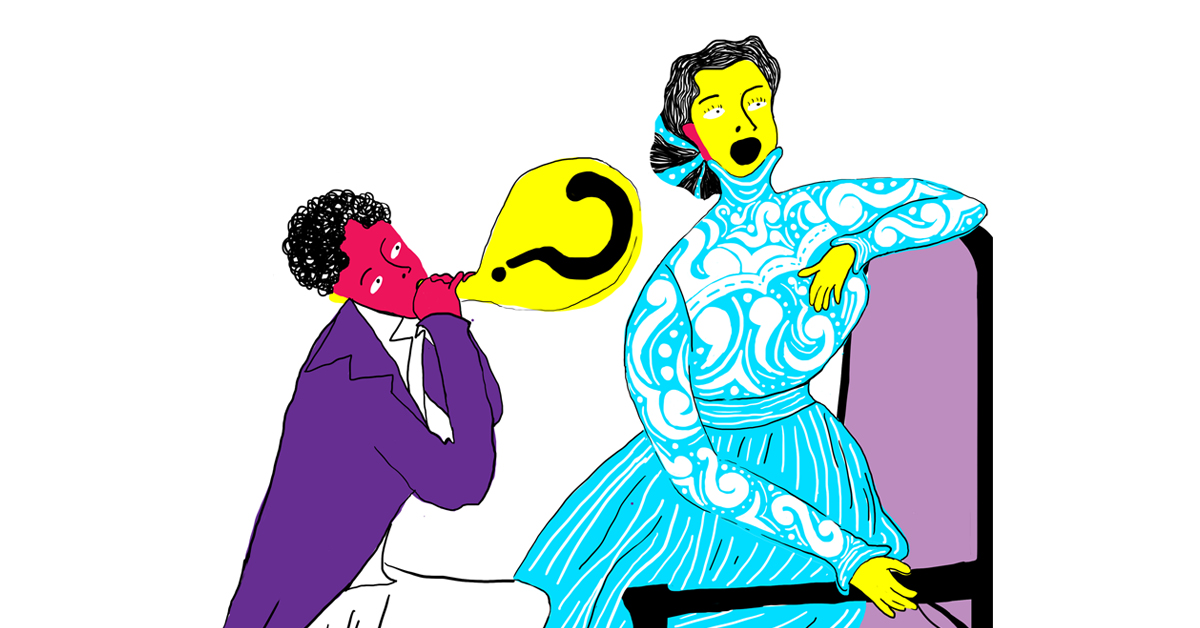
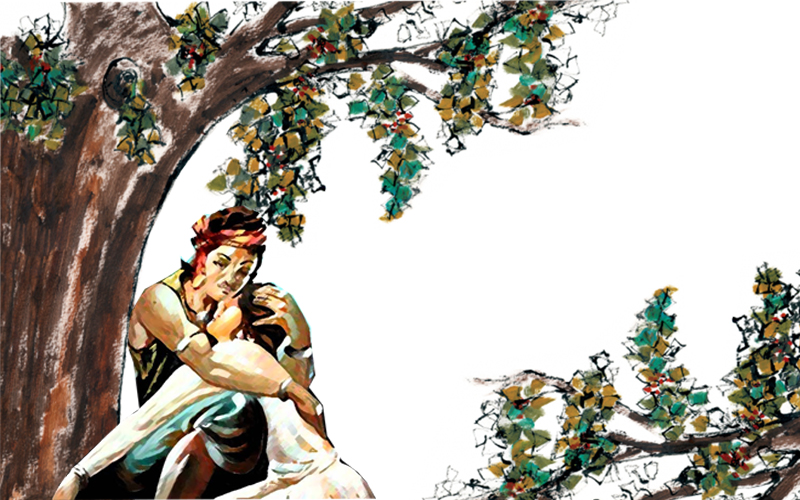
Once upon a time in China,
There was a young woman.
Talented in singing and embroidery.
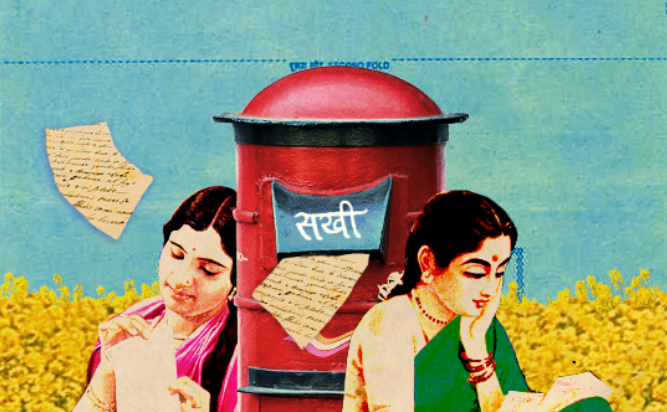
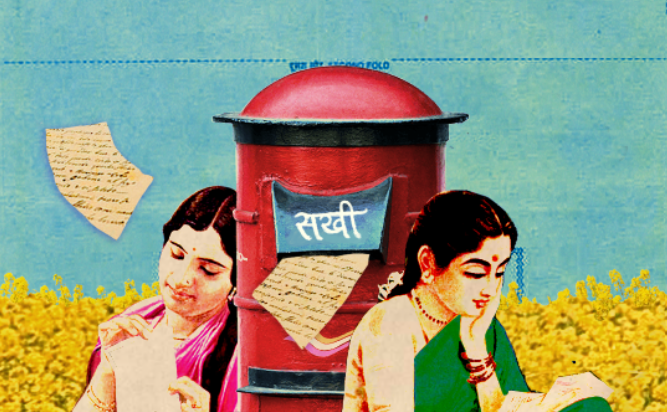
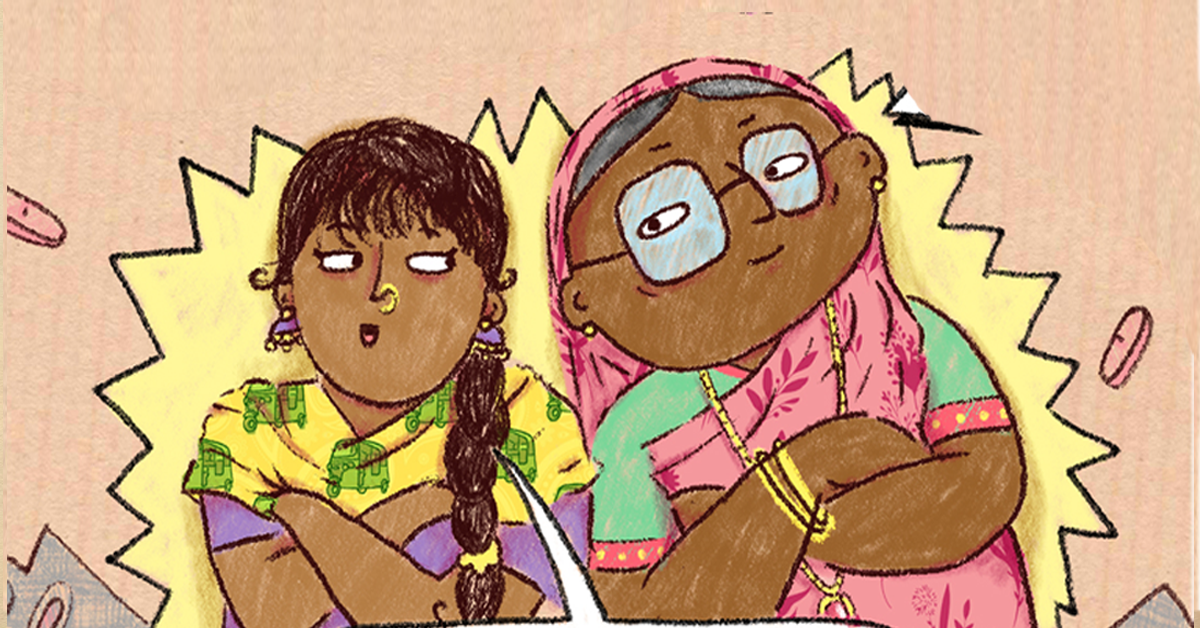
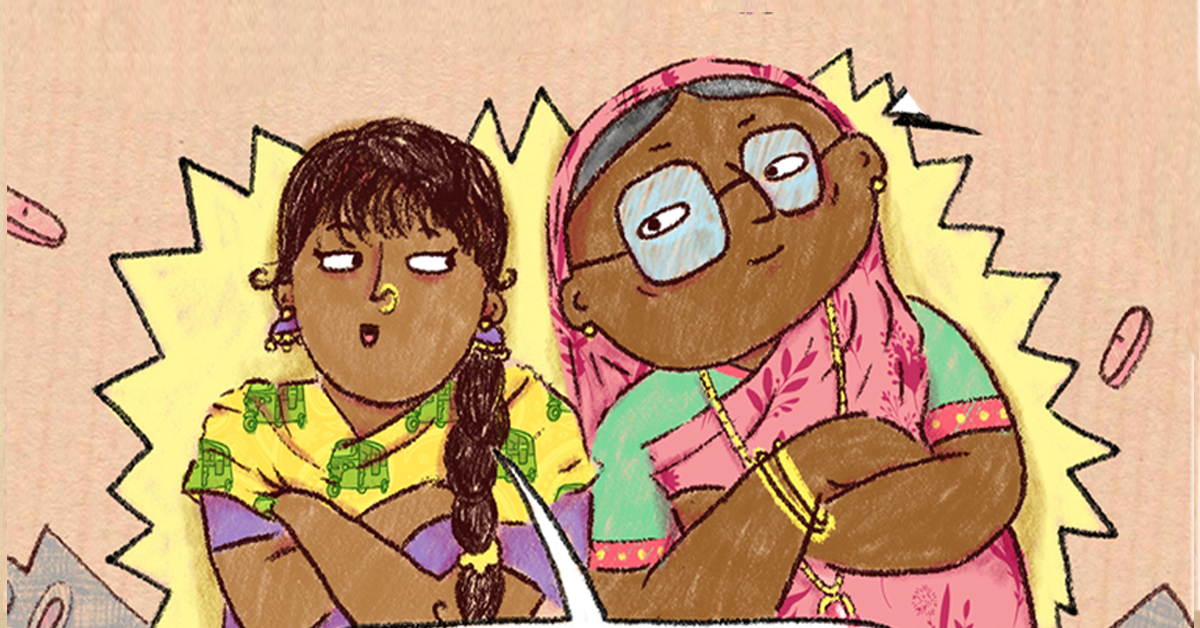
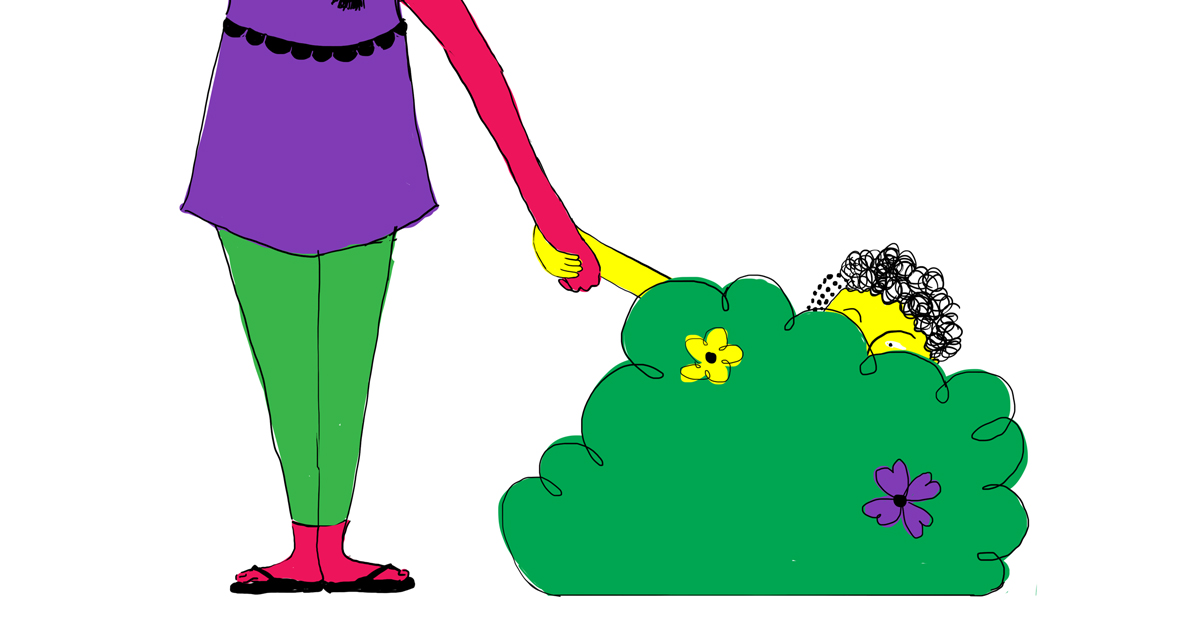
She lived her days chilling with her sworn sisters, bole toh her sakhis and sahelis.
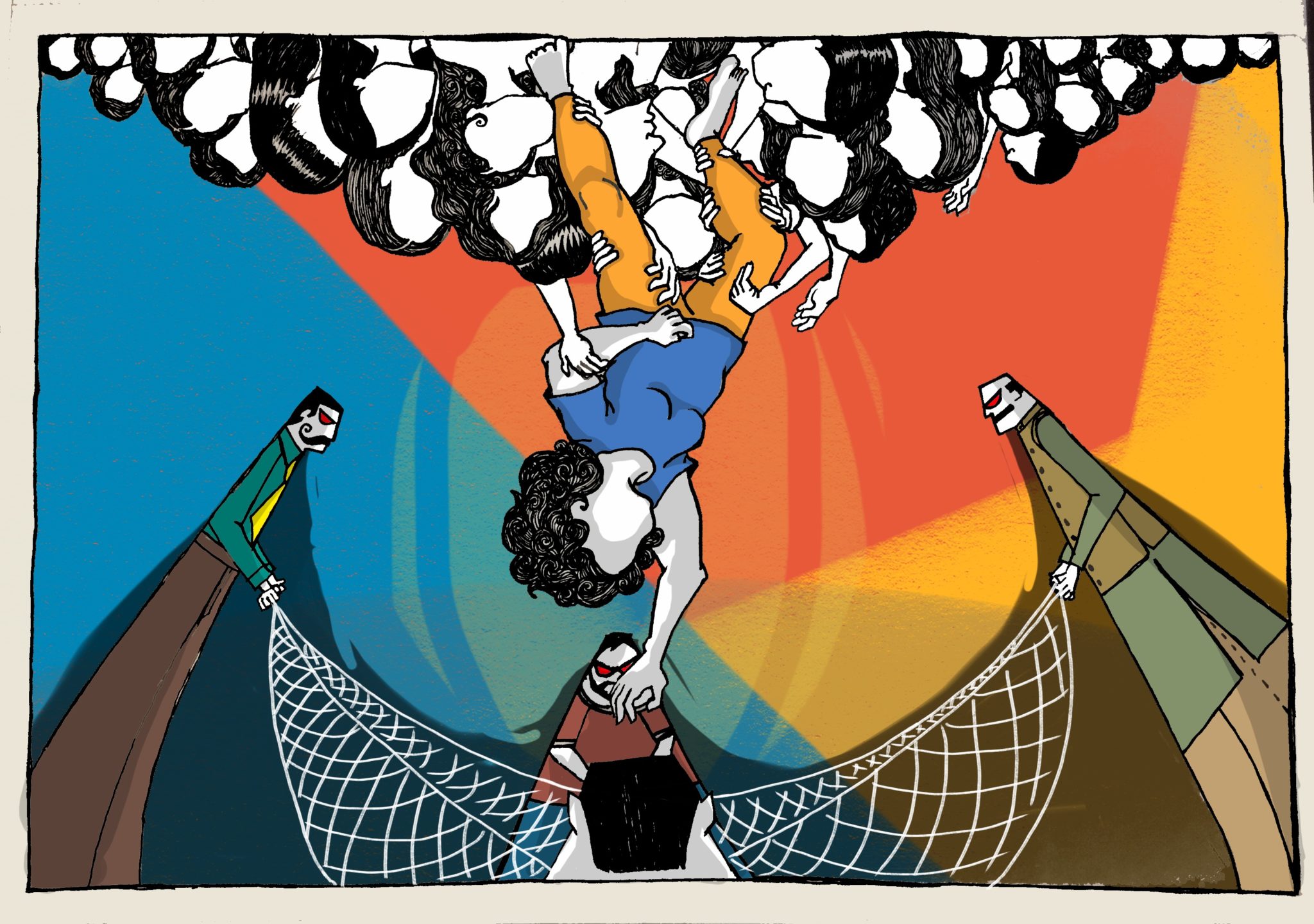
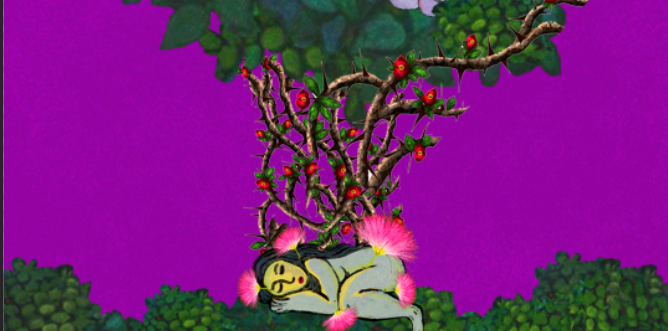
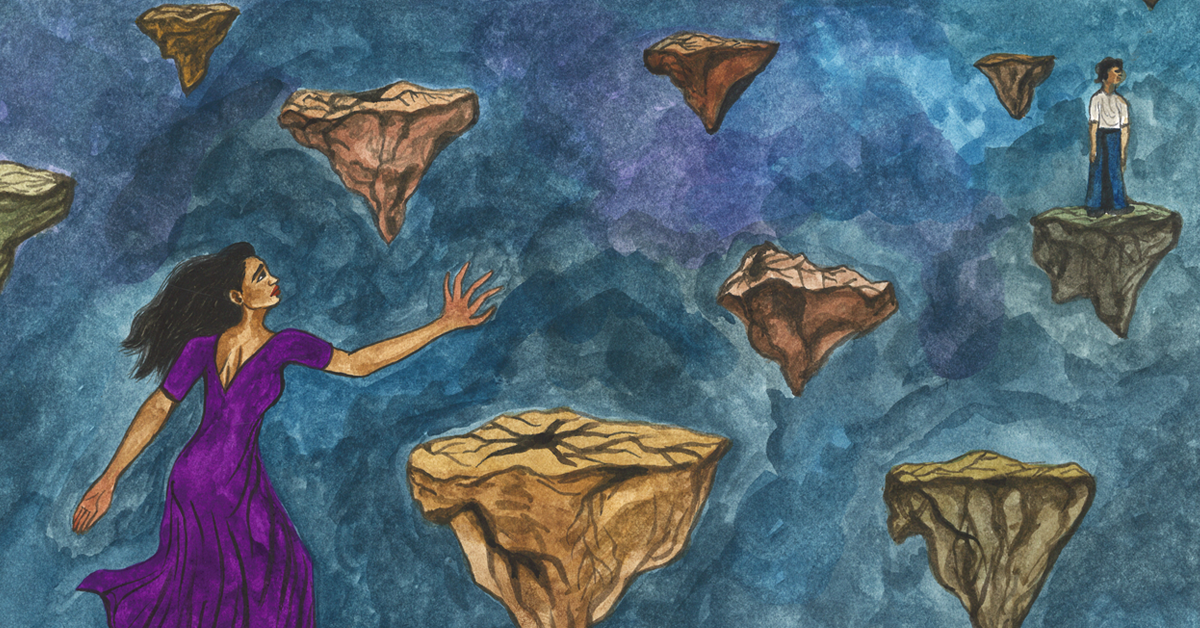
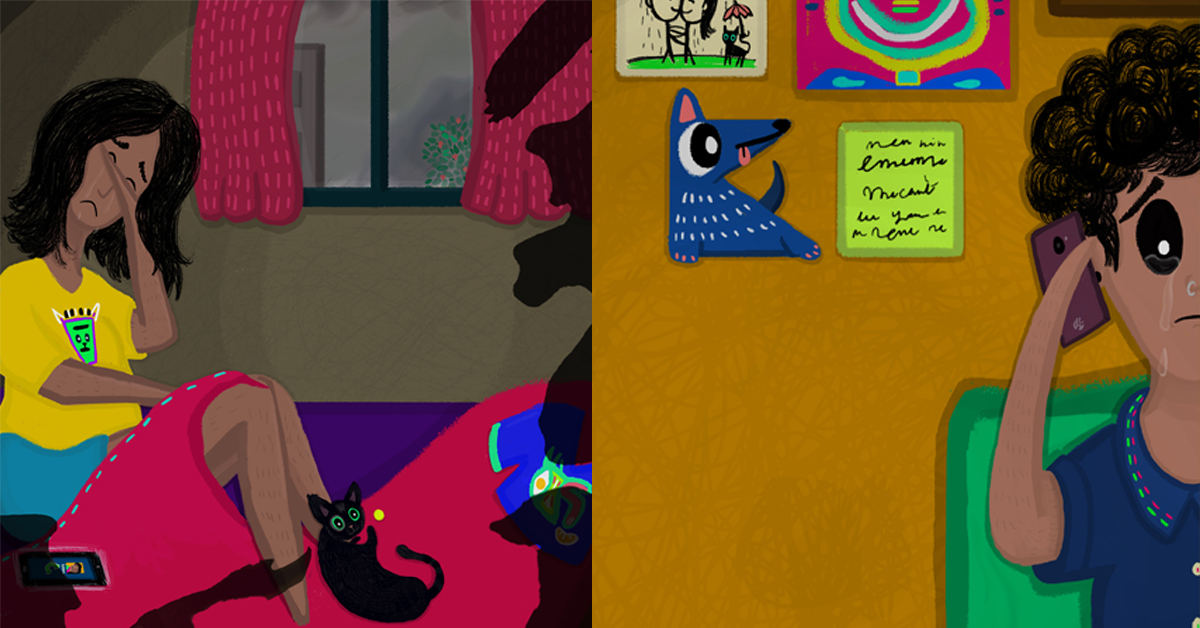
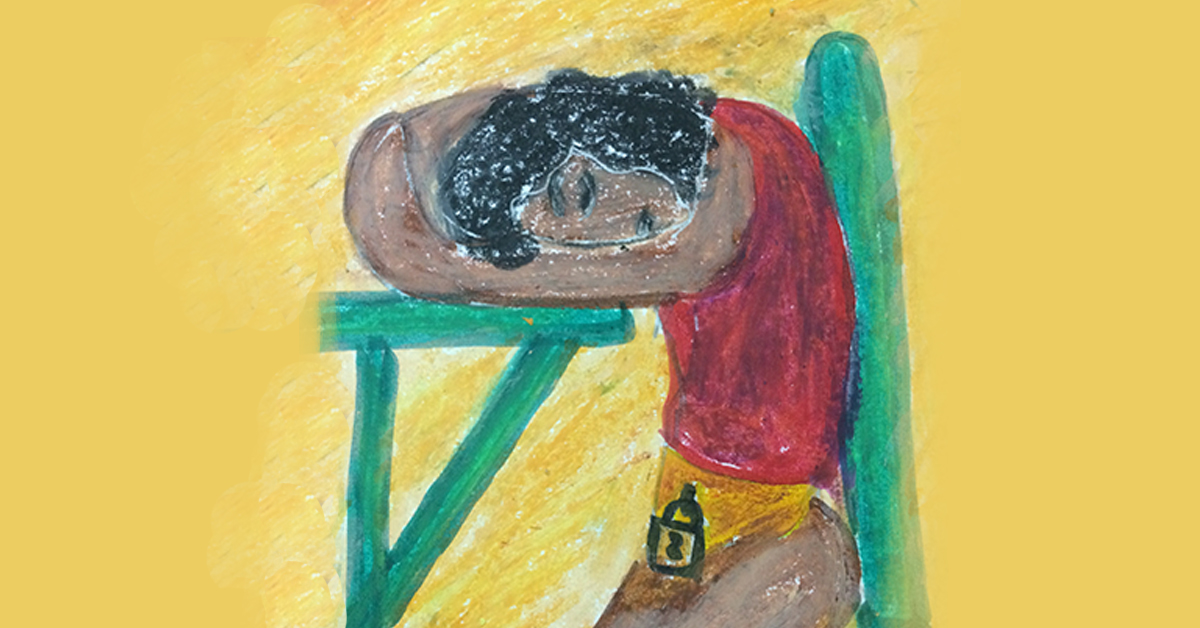
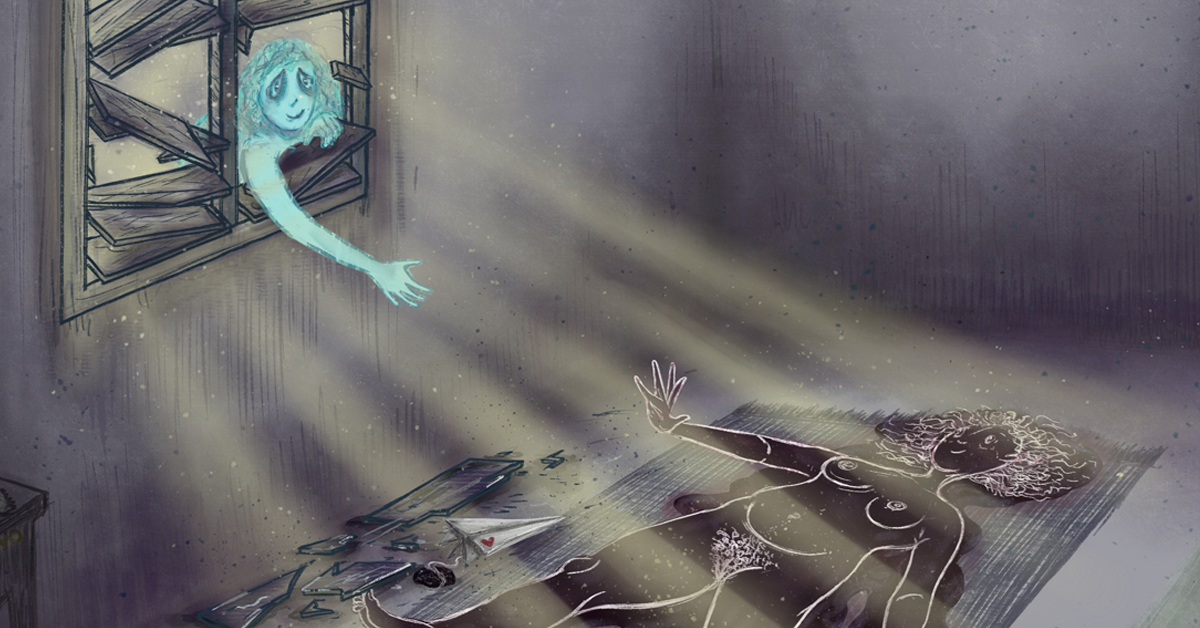
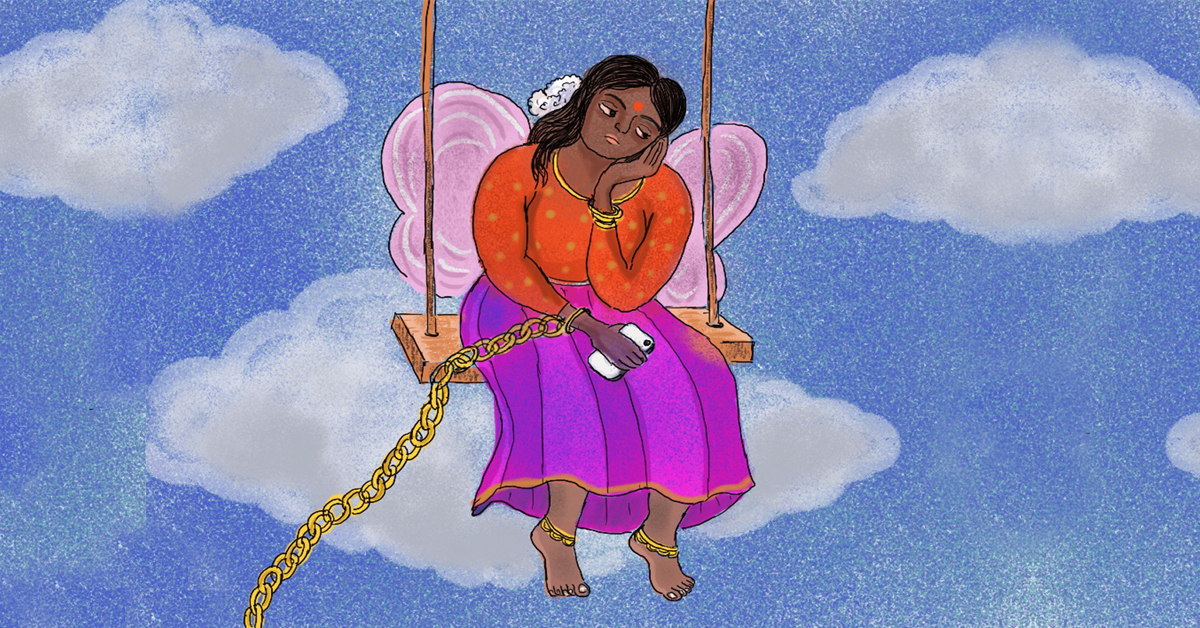
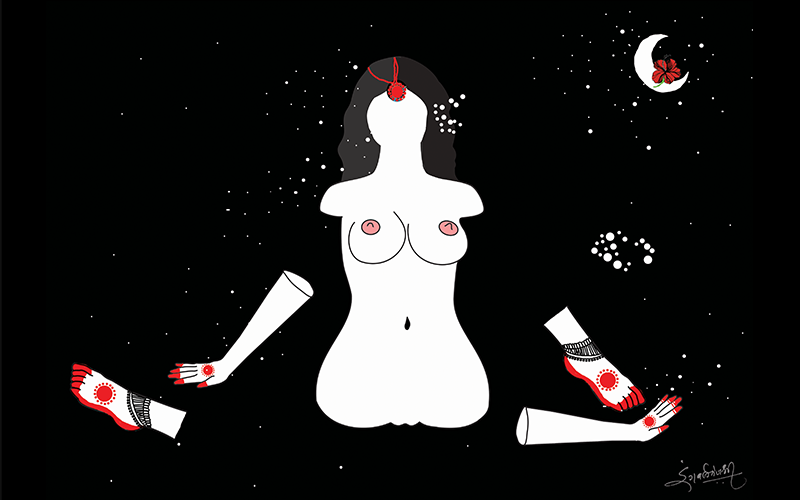
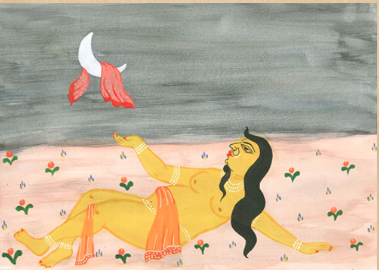
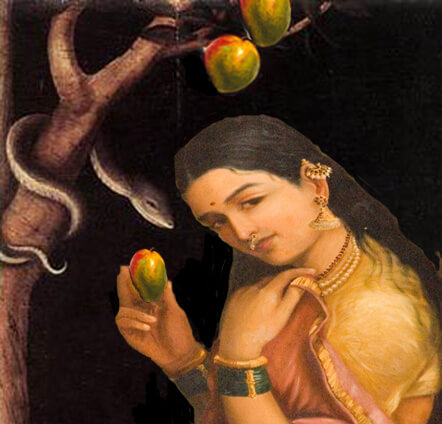
Then one day, she was kidnapped and taken away to serve the land’s emperor.
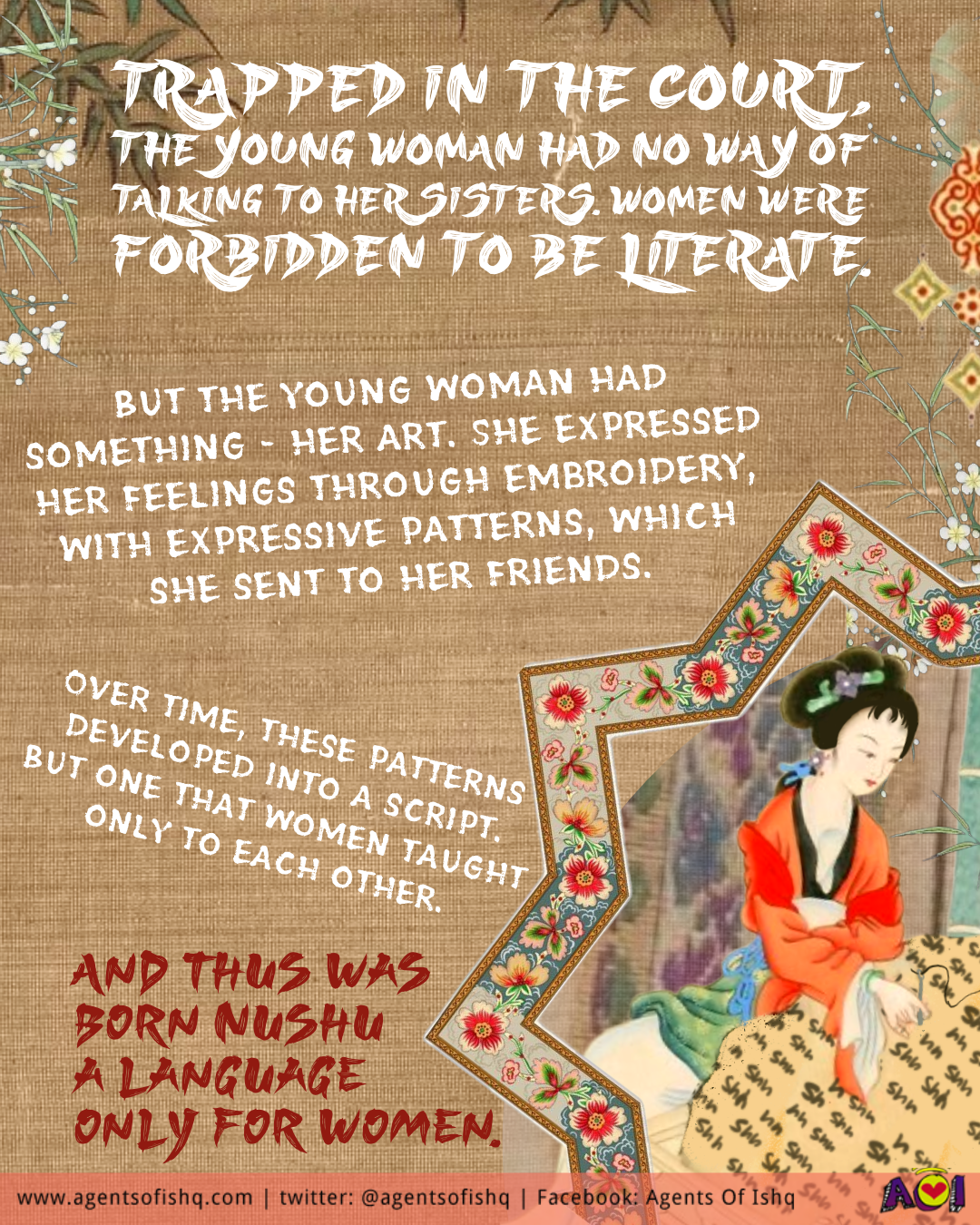
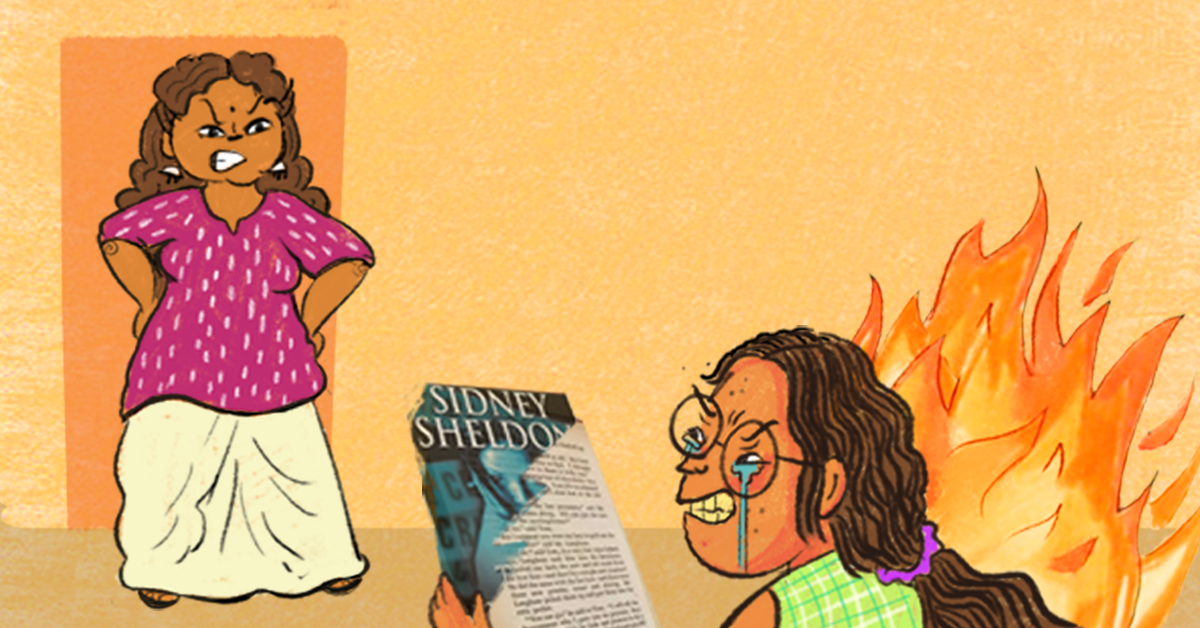
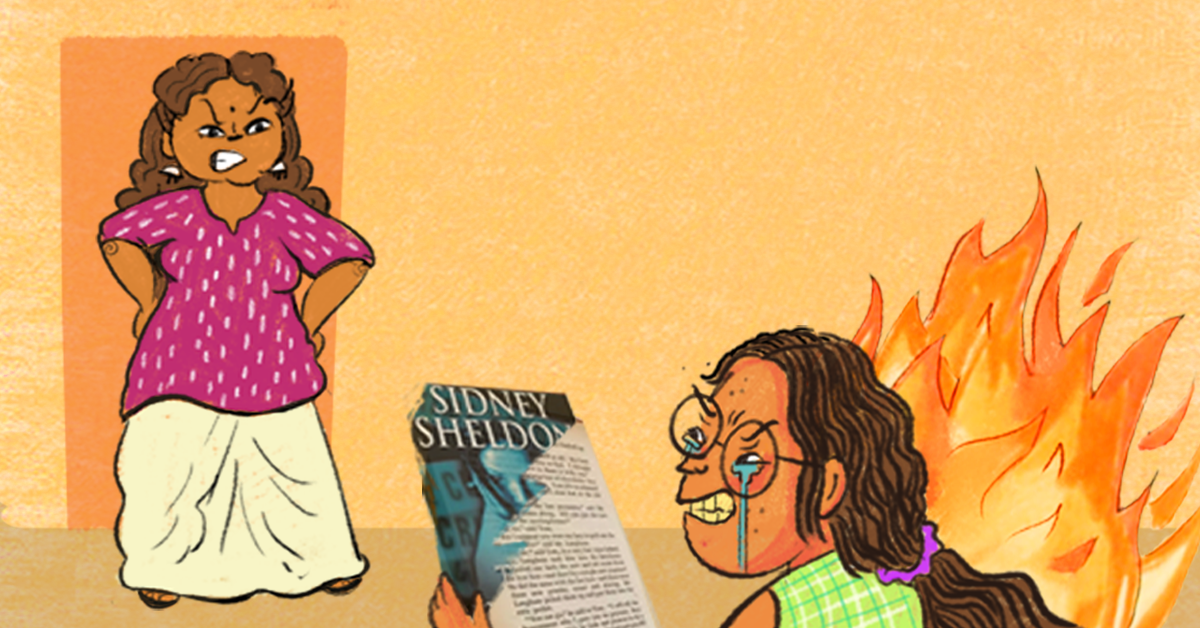
In those days, women were not allowed to learn how to read and write.
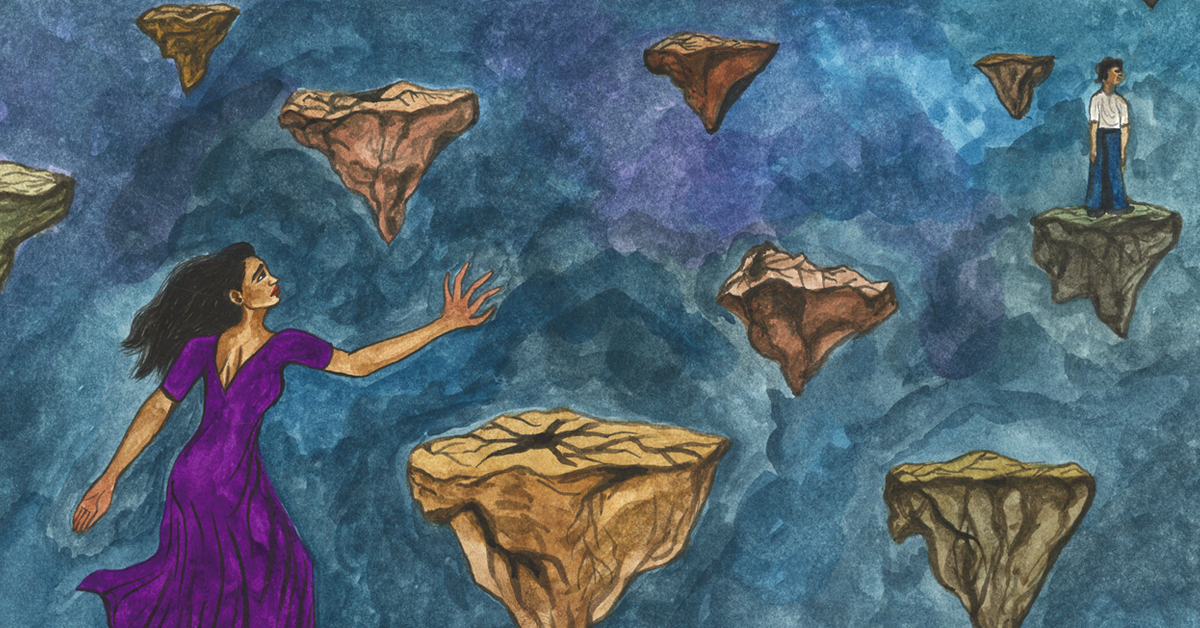
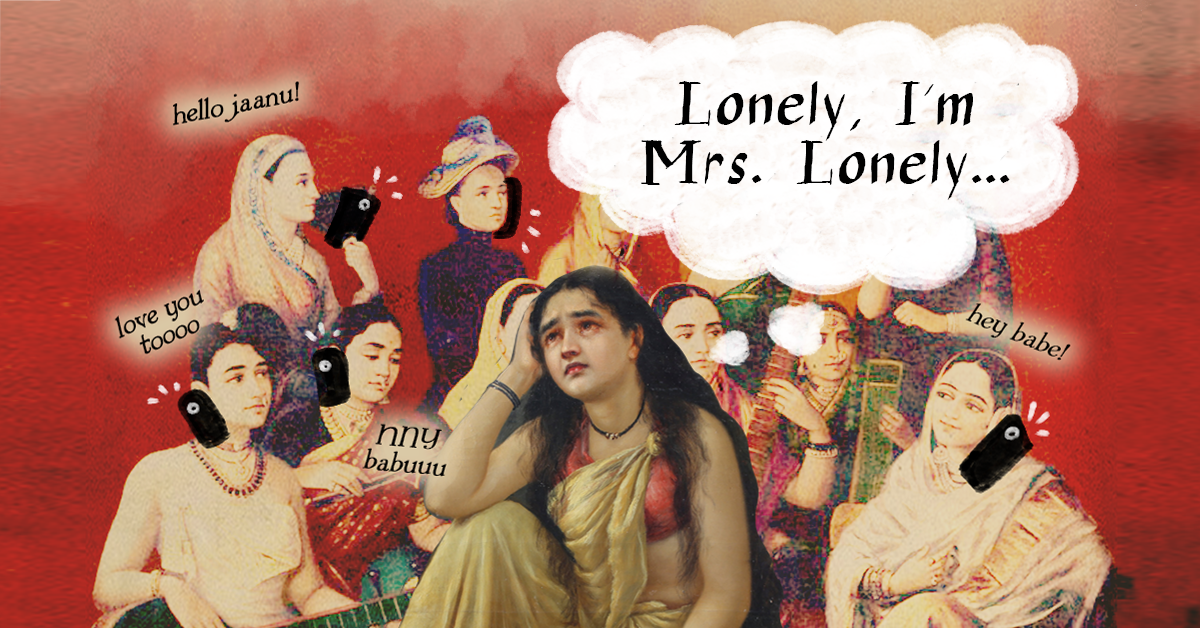
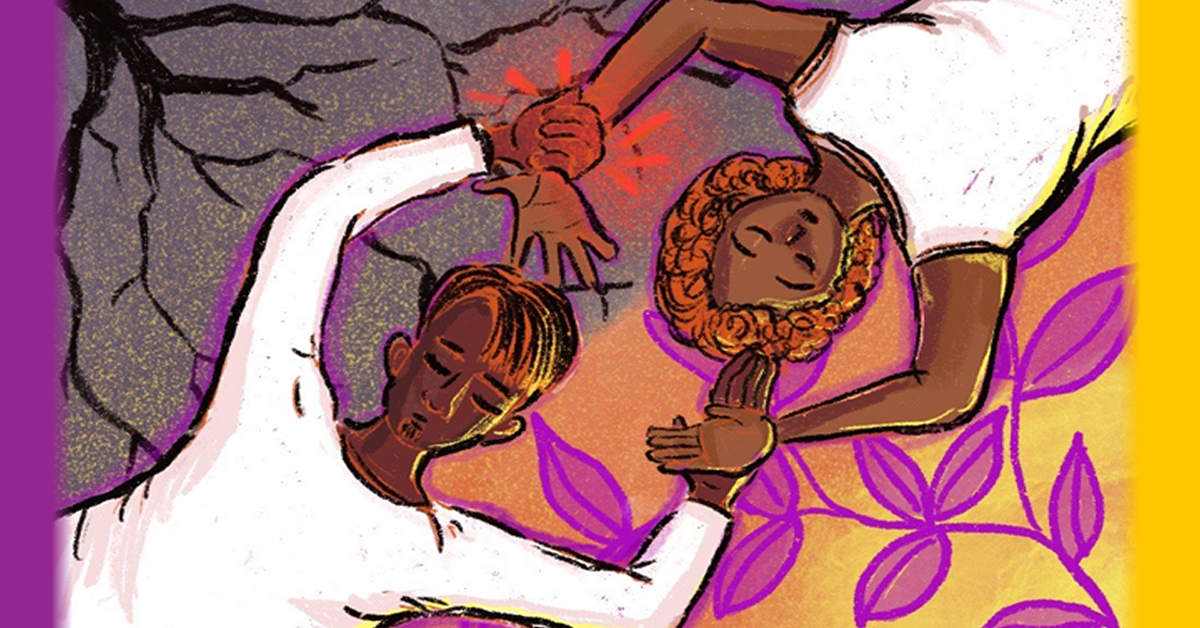
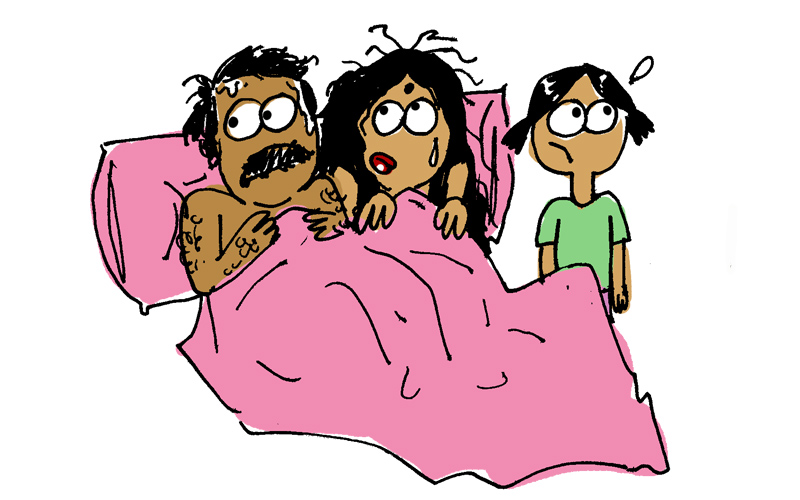
Trapped in court, the young woman had no way of communicating with her sorority.
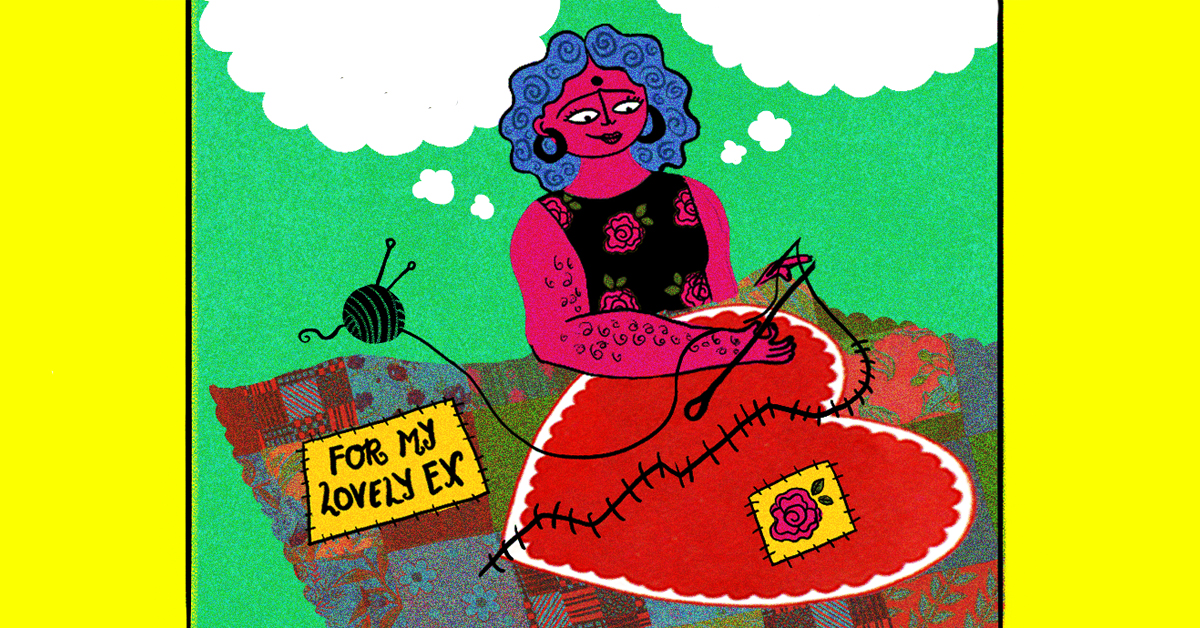
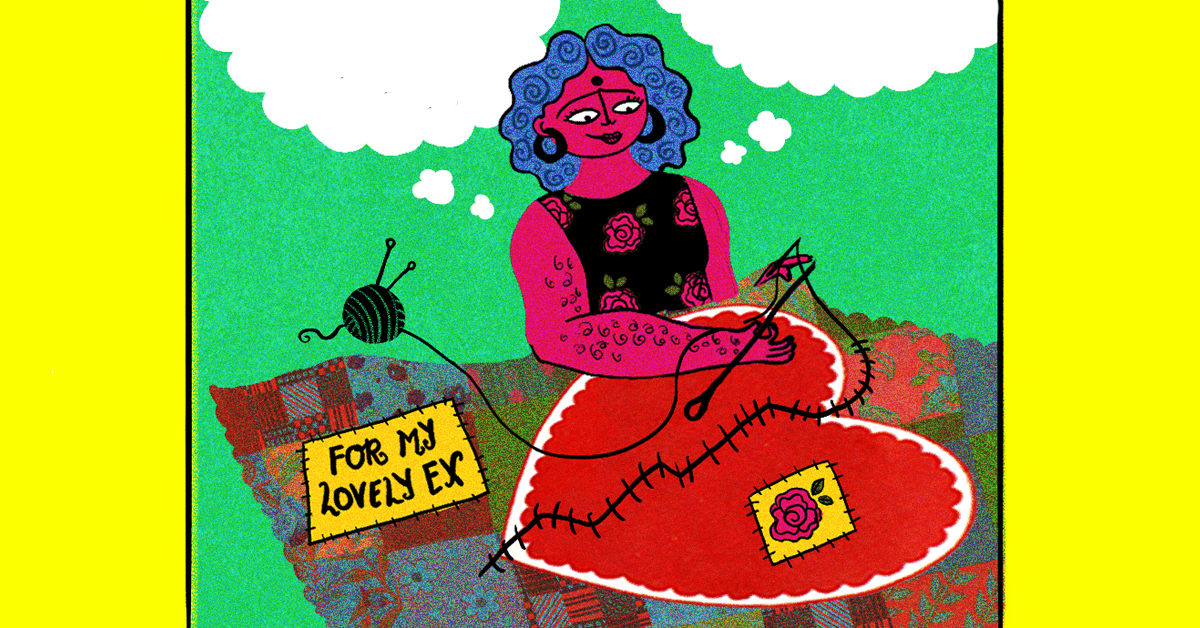
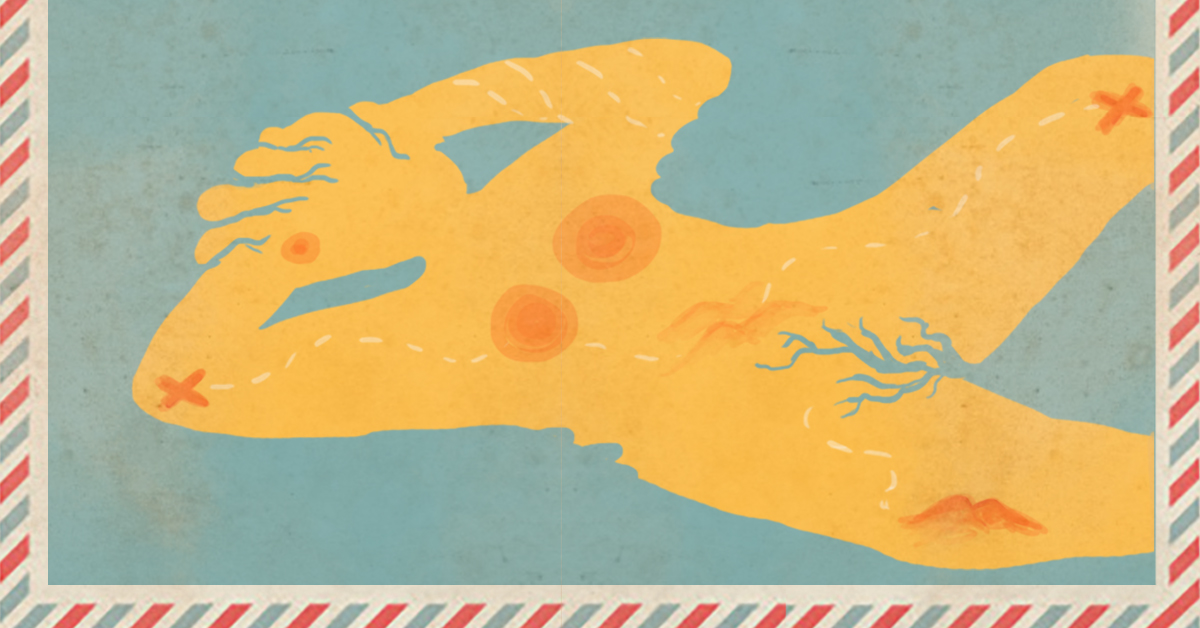
So she turned to her art - she expressed her feelings through embroidery patterns.
She stitched her story and sent it to her friends.
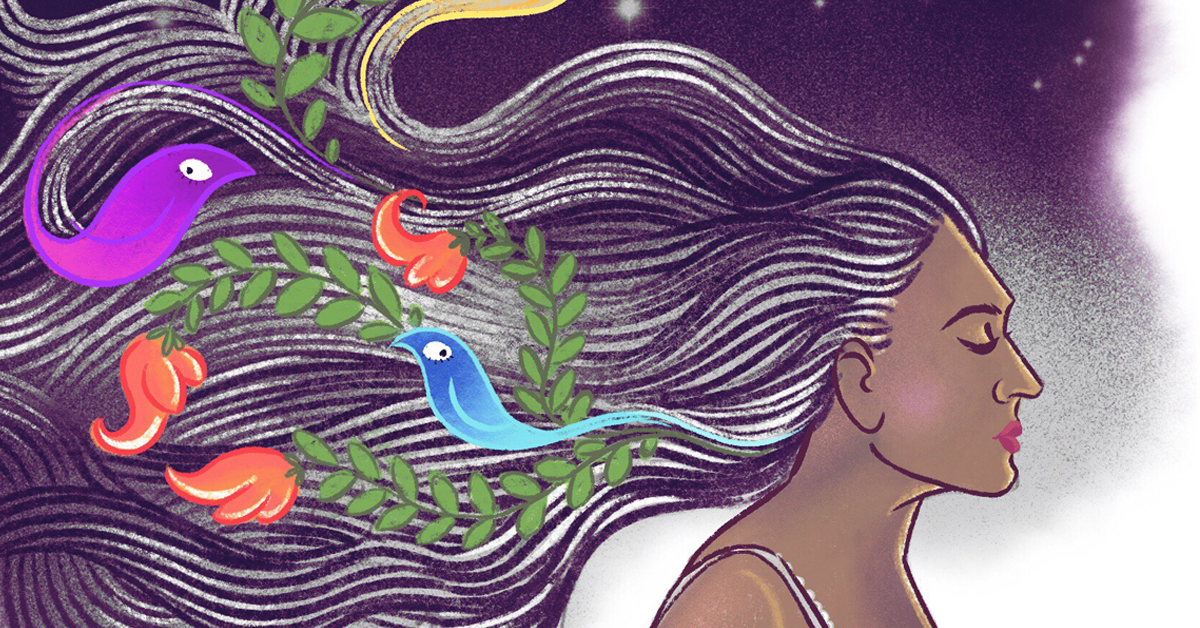
Over time, these patterns developed into a script – a secret one which women taught only to each other.
So was born Nushu – a language only for women.
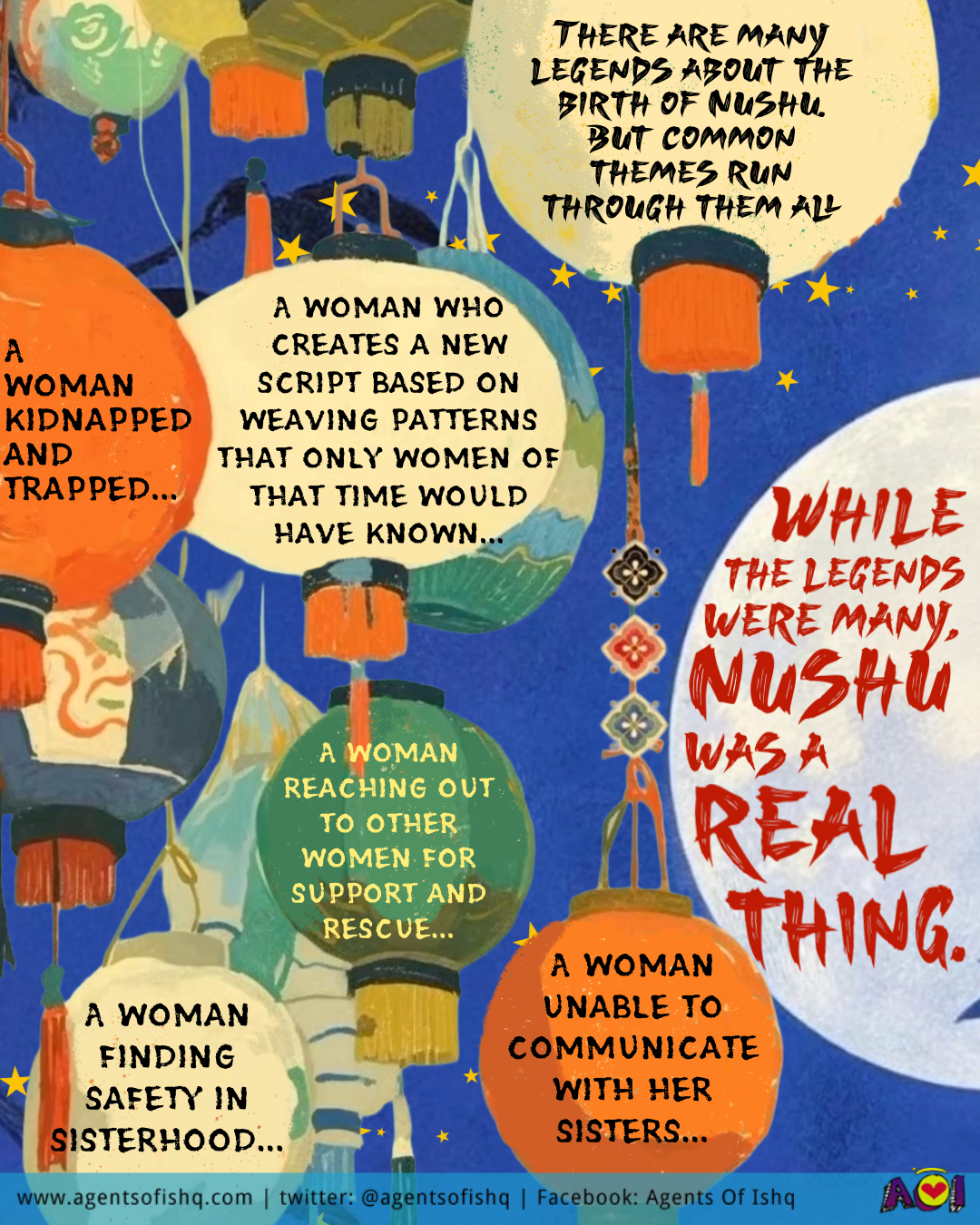
This story is only one of many legends of how Nushu was born.
But all the stories have common threads.
A woman kidnapped and trapped.
A woman unable to communicate with her sisters.
A woman who creates a new script from weaving patterns only women of the time would have known.
A woman reaching out to other women for support and rescue.
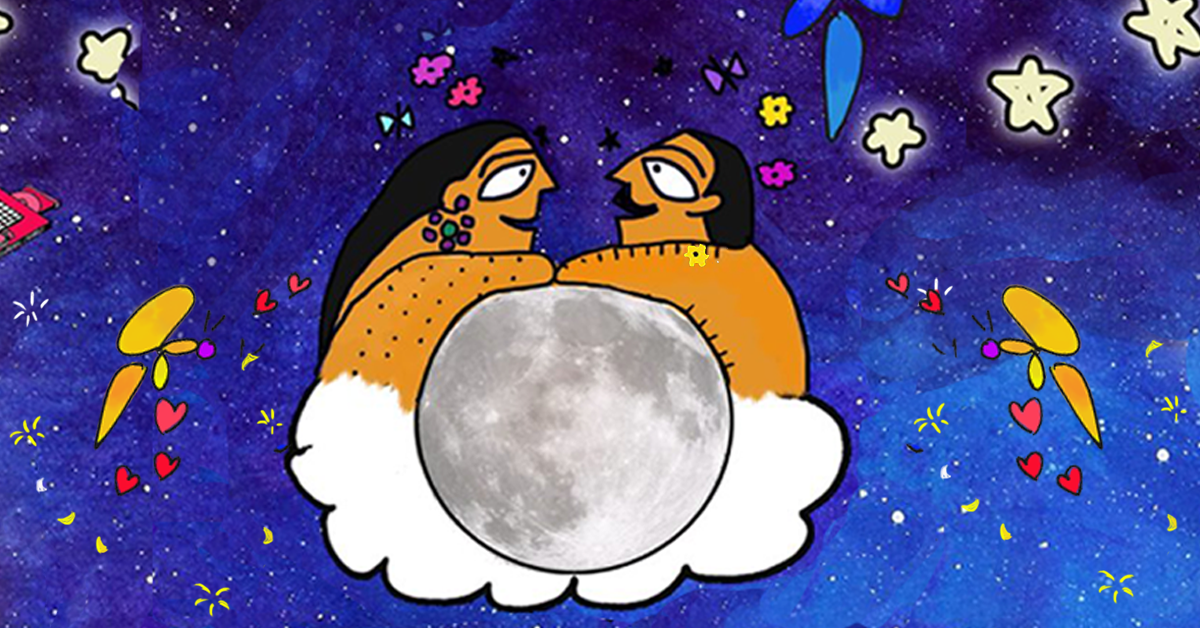
A woman finding solace and safety in sisterhood.
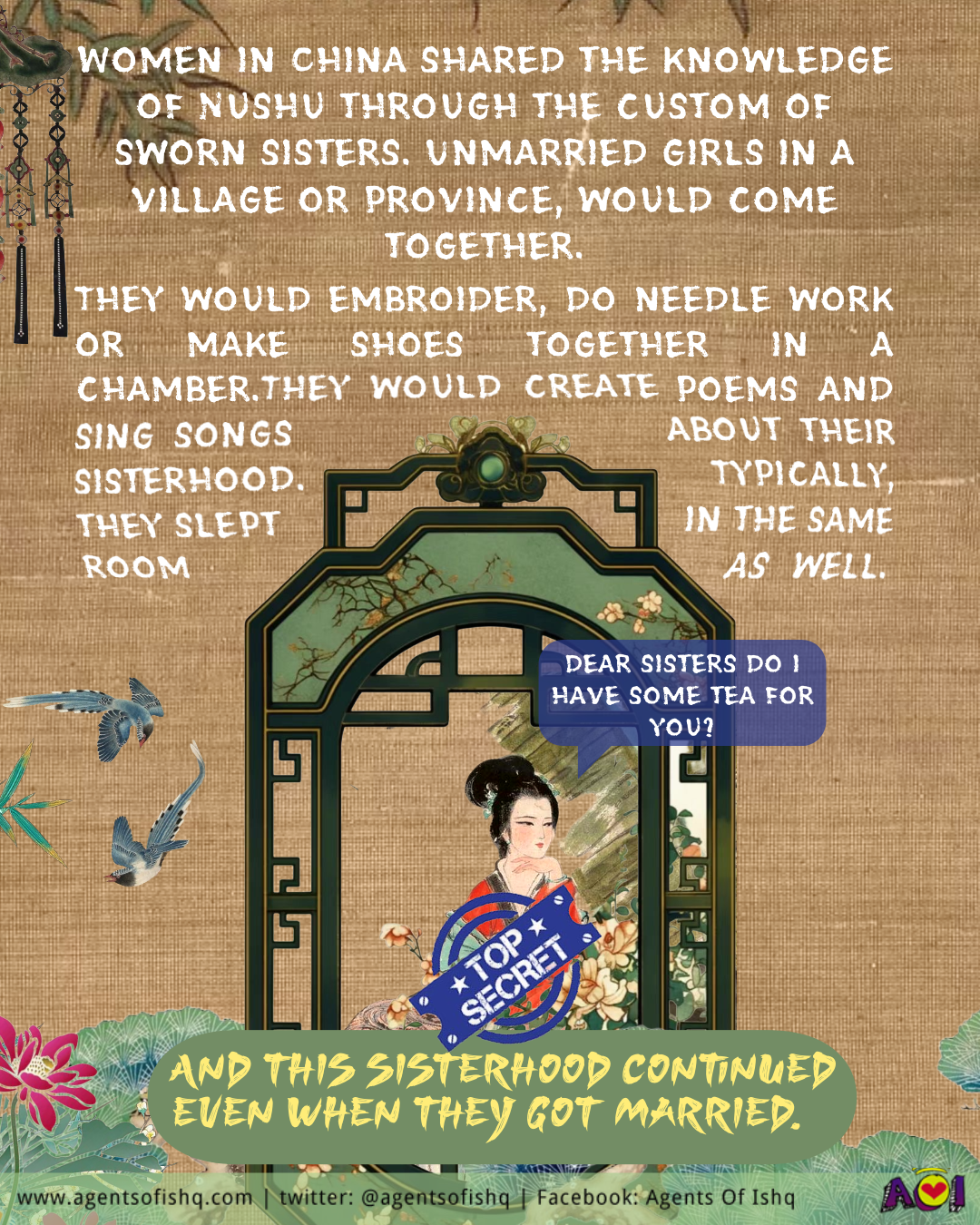
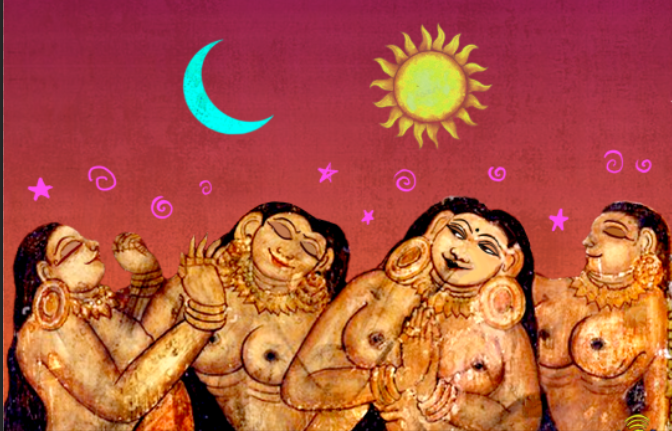
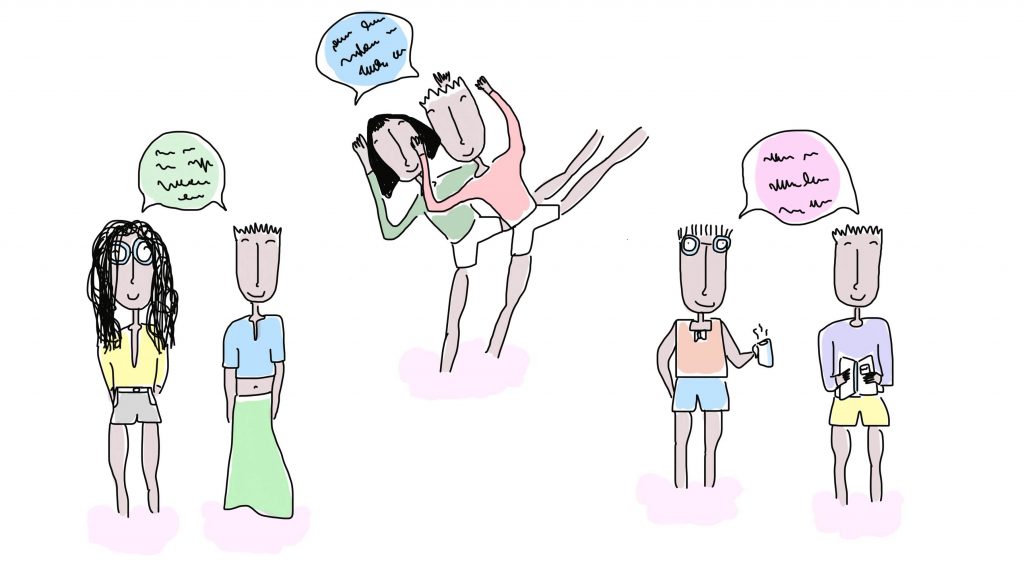
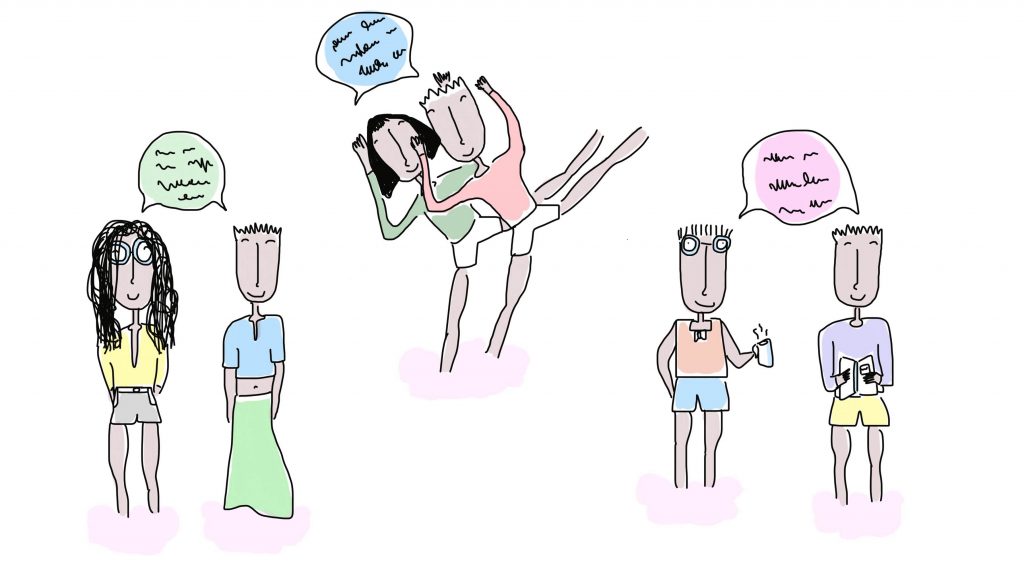
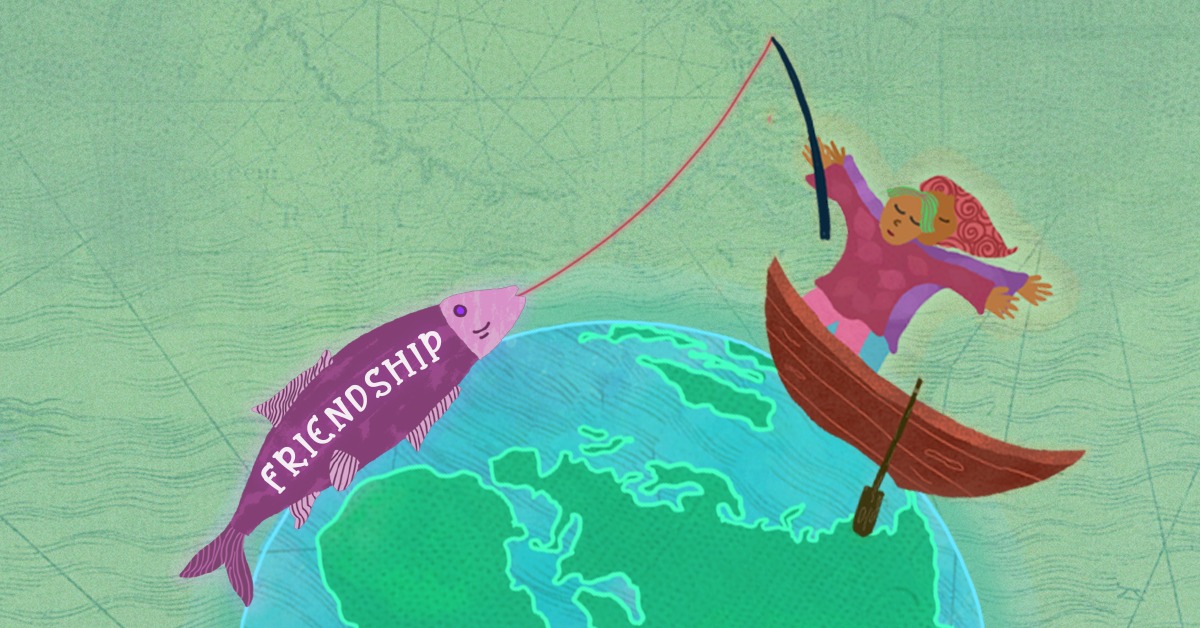
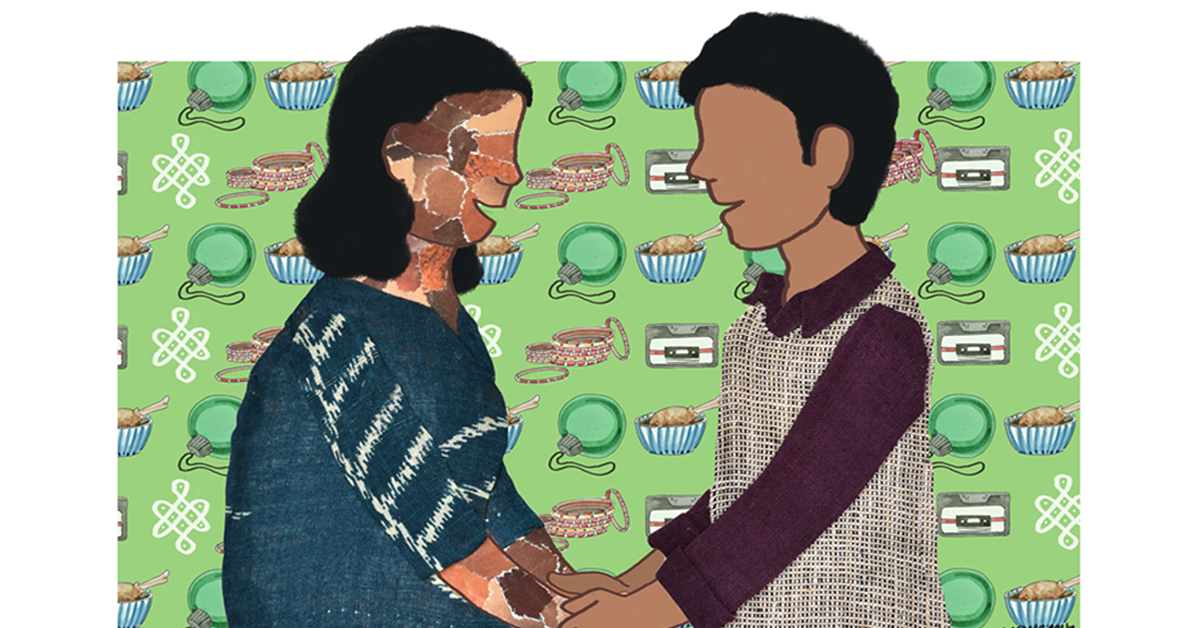
Women in China shared the knowledge of Nushu through the custom of sworn sisters.
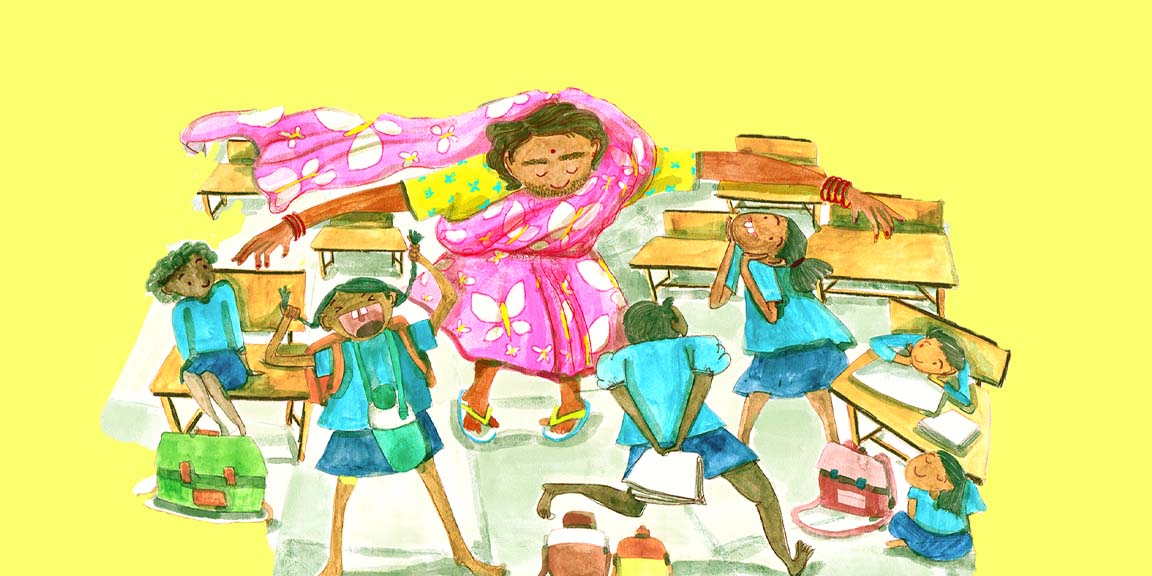
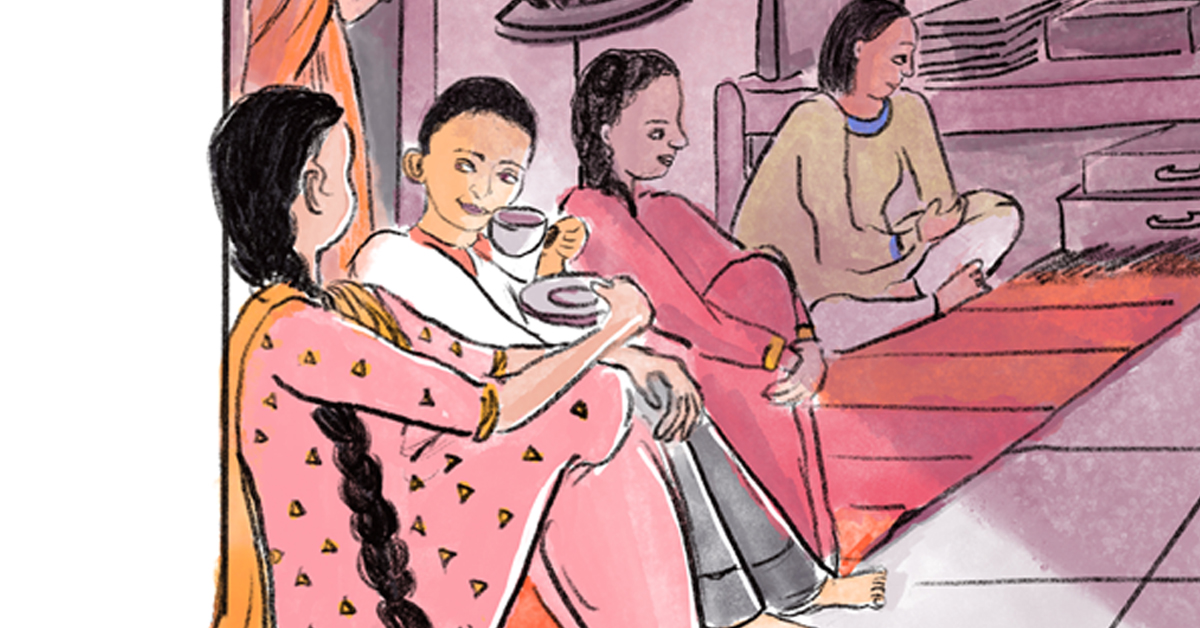
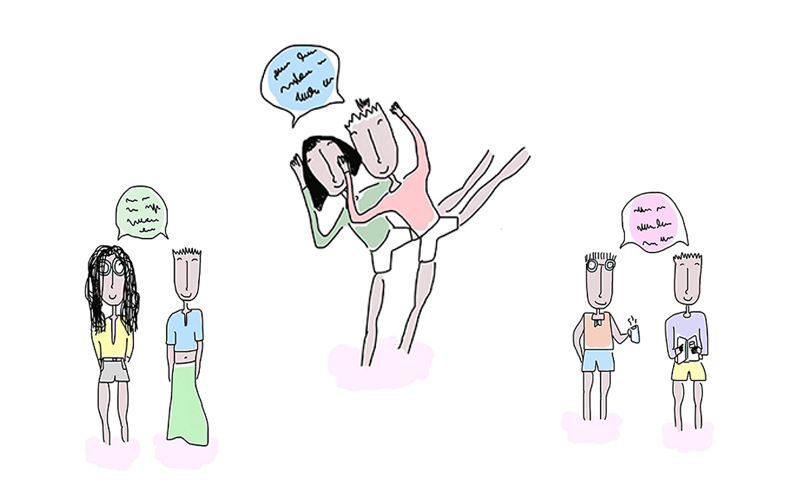
Unmarried girls in a town or village or province would gather in a chamber to do needle work and embroidery, or make shoes together.
Working together created deep bonds.
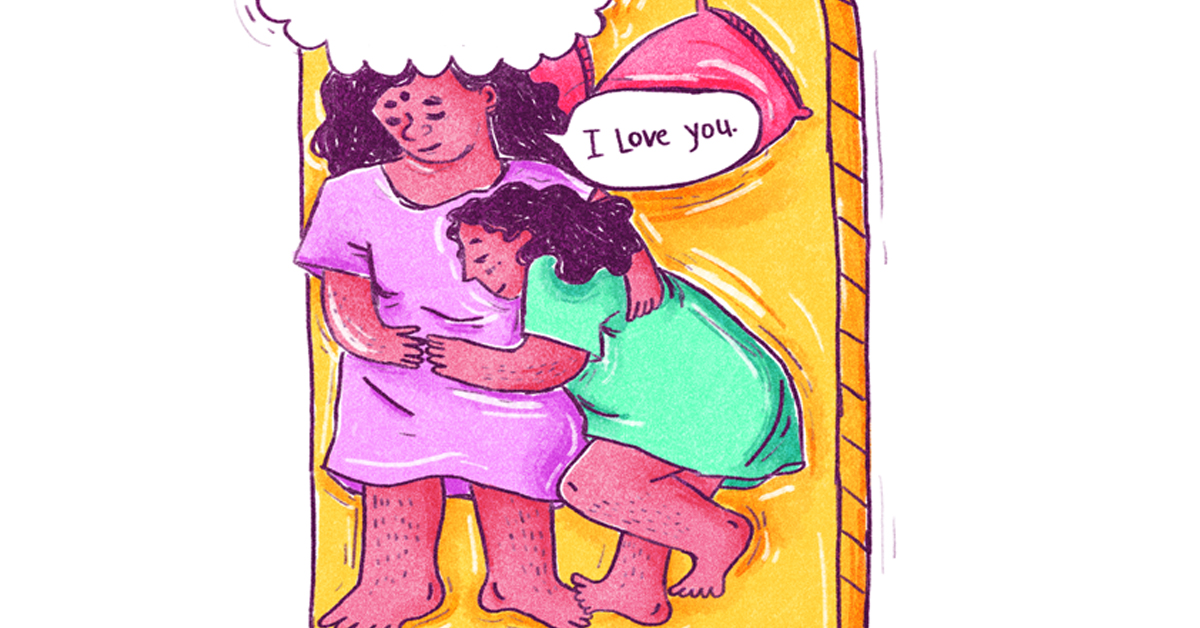
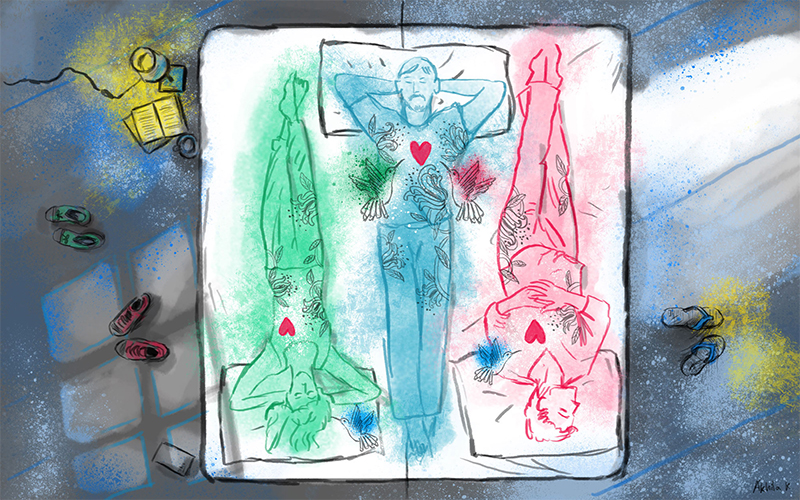
Often, they slept in the same room.
They would make up poems and sing songs about their sisterhood.
This sisterhood held strong even after they married, even if they could rarely meet after that.
But there was a ritual that followed the wedding….
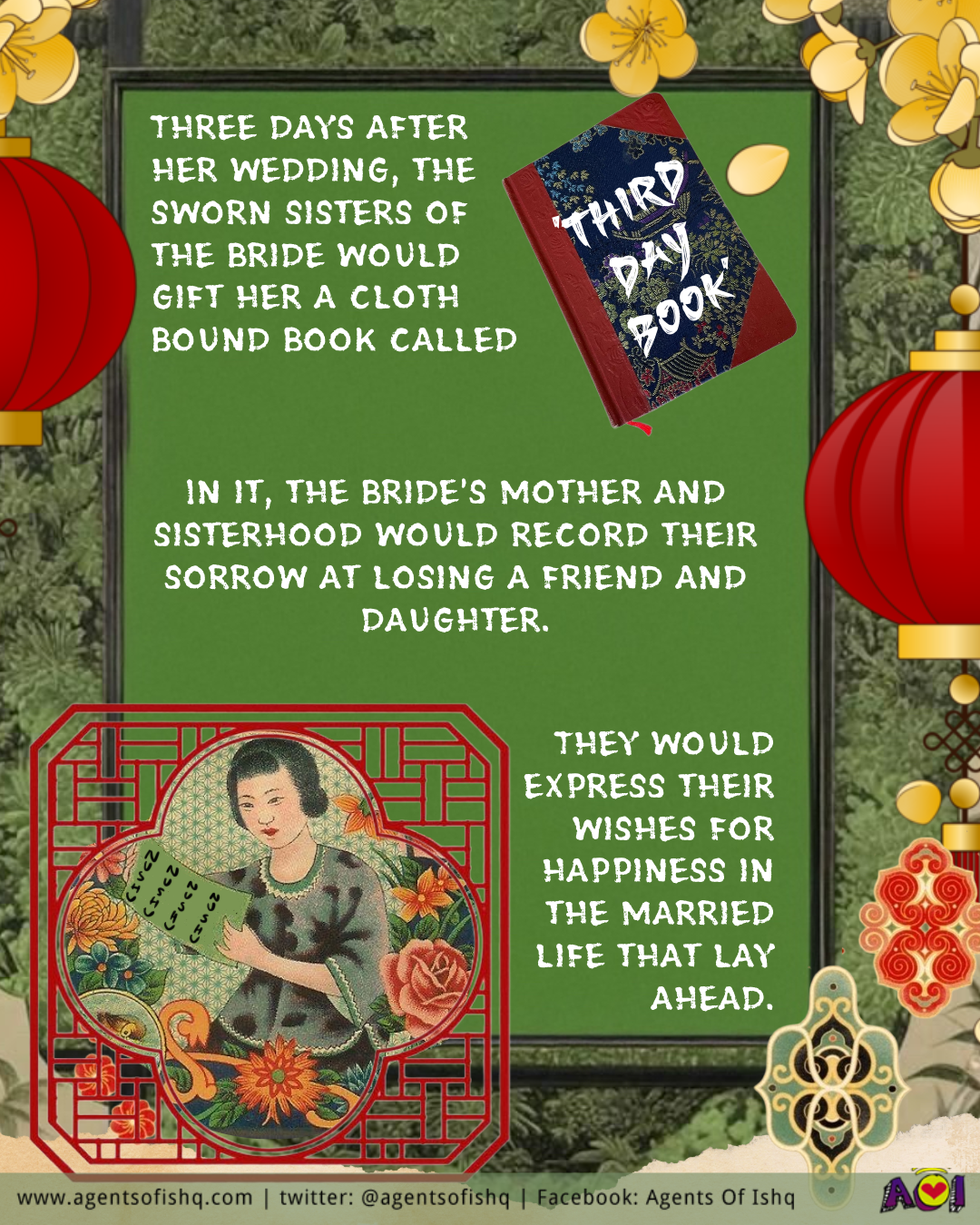
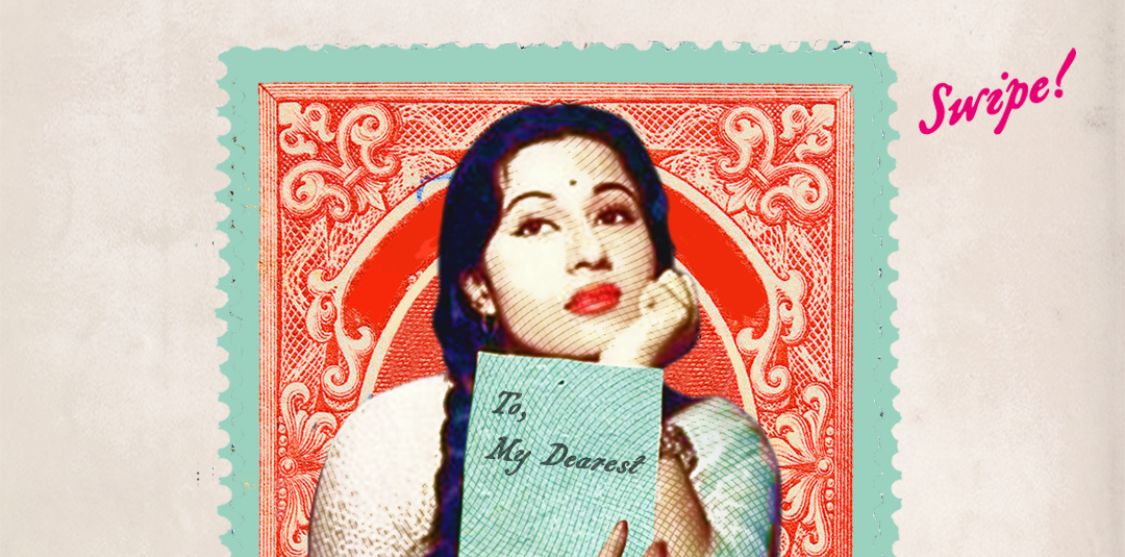
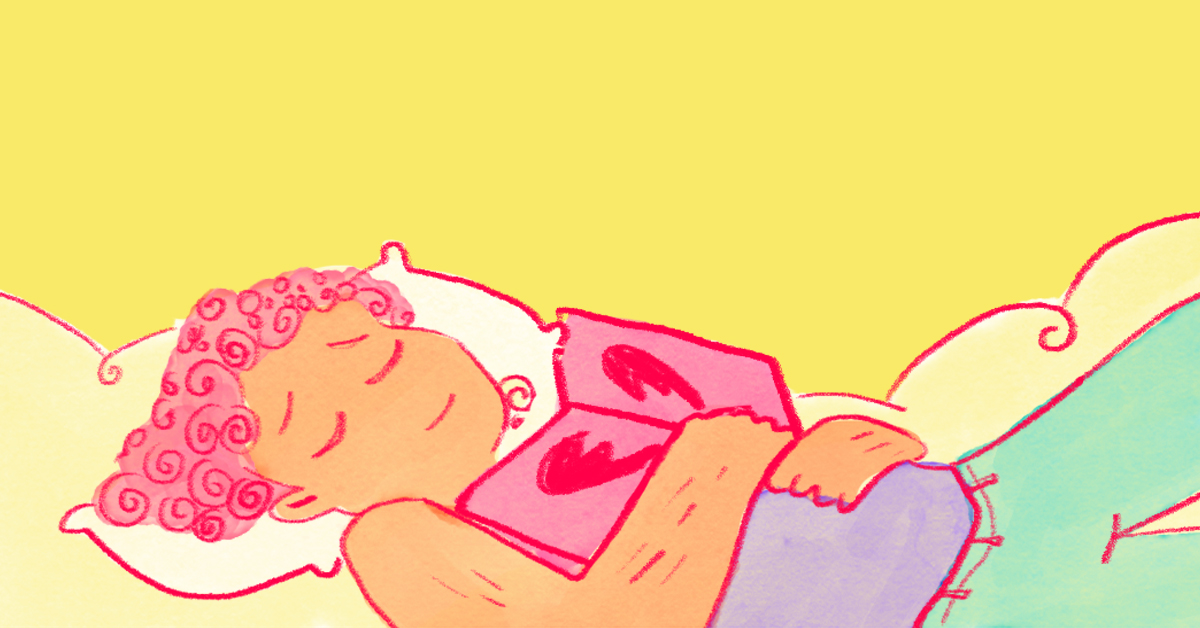
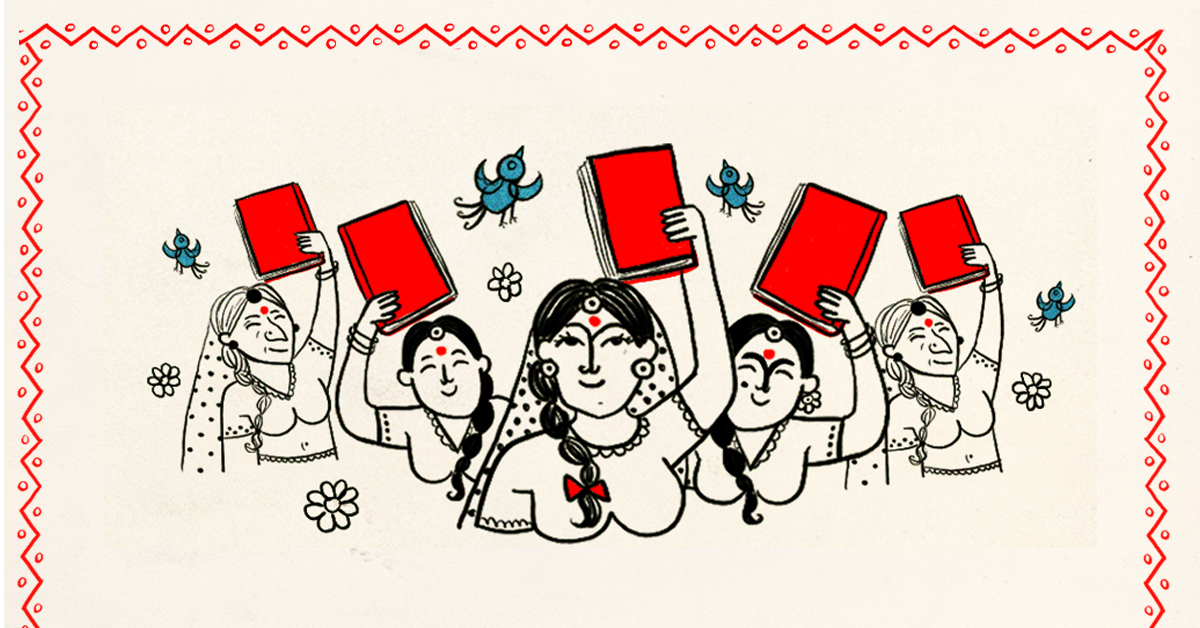
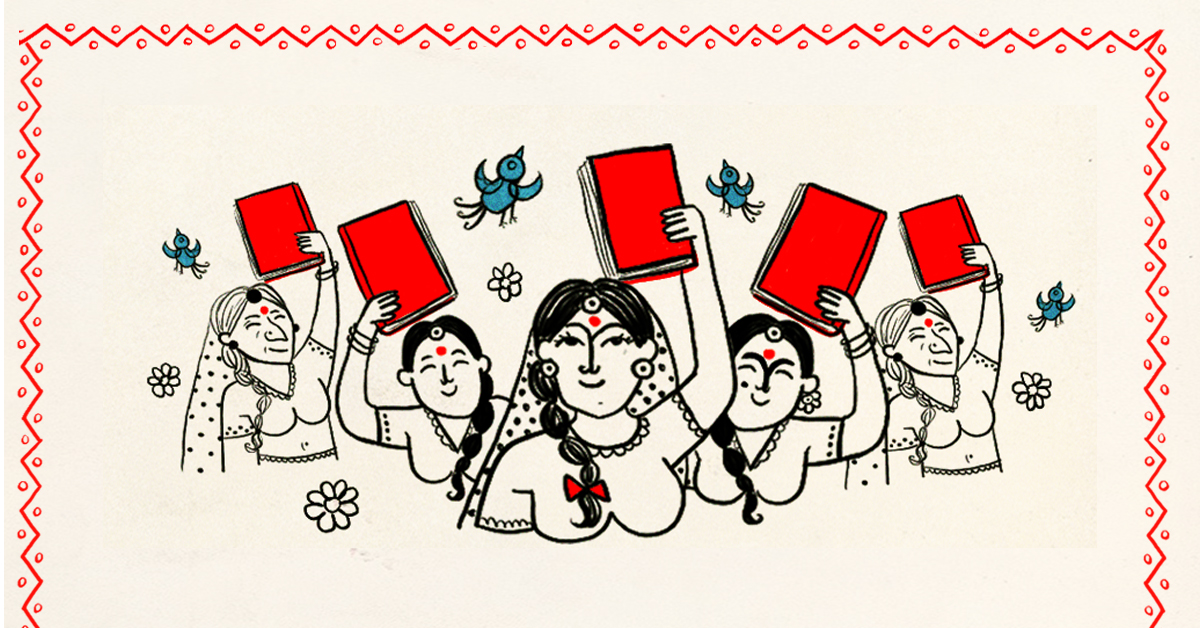
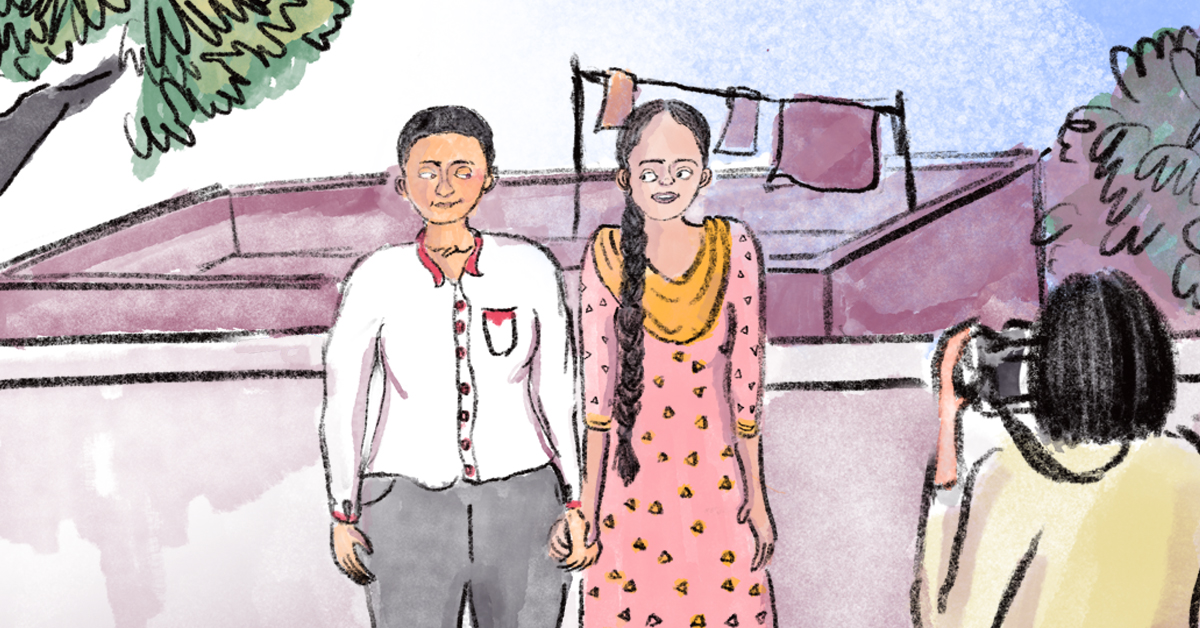
Three days after a woman’s wedding, her sworn sisters would gift her a cloth-bound volume.
The “Third Day Book”.
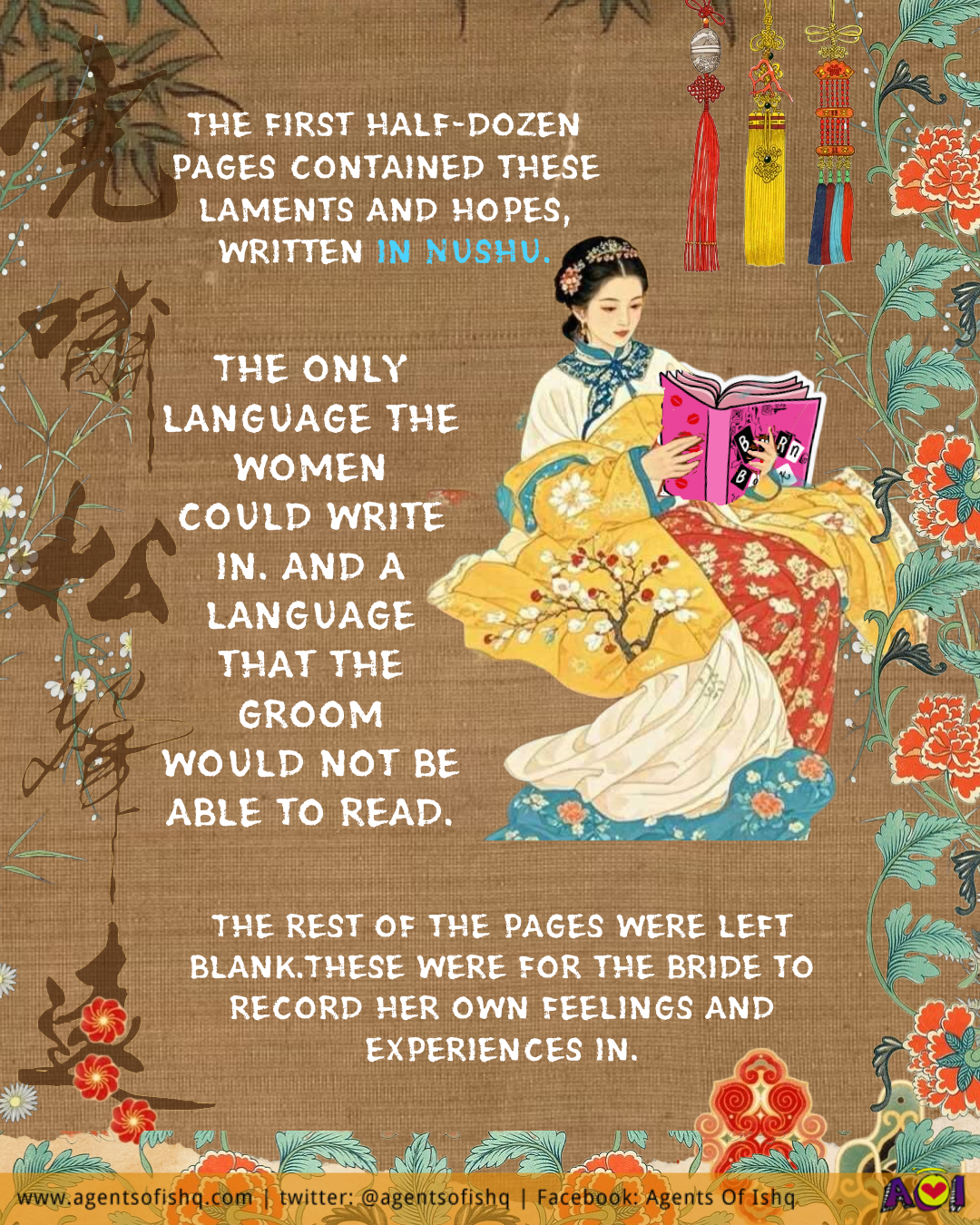
The first six pages were written in Nushu. A language the groom would not be able to read.
In those pages, the sisters and the bride’s mother would not just wish her happiness in her life ahead. They would also record their sorrow at losing a friend and daughter.
The rest of the pages were left blank.
These were for the bride to record her own feelings and experiences, laments and hopes.
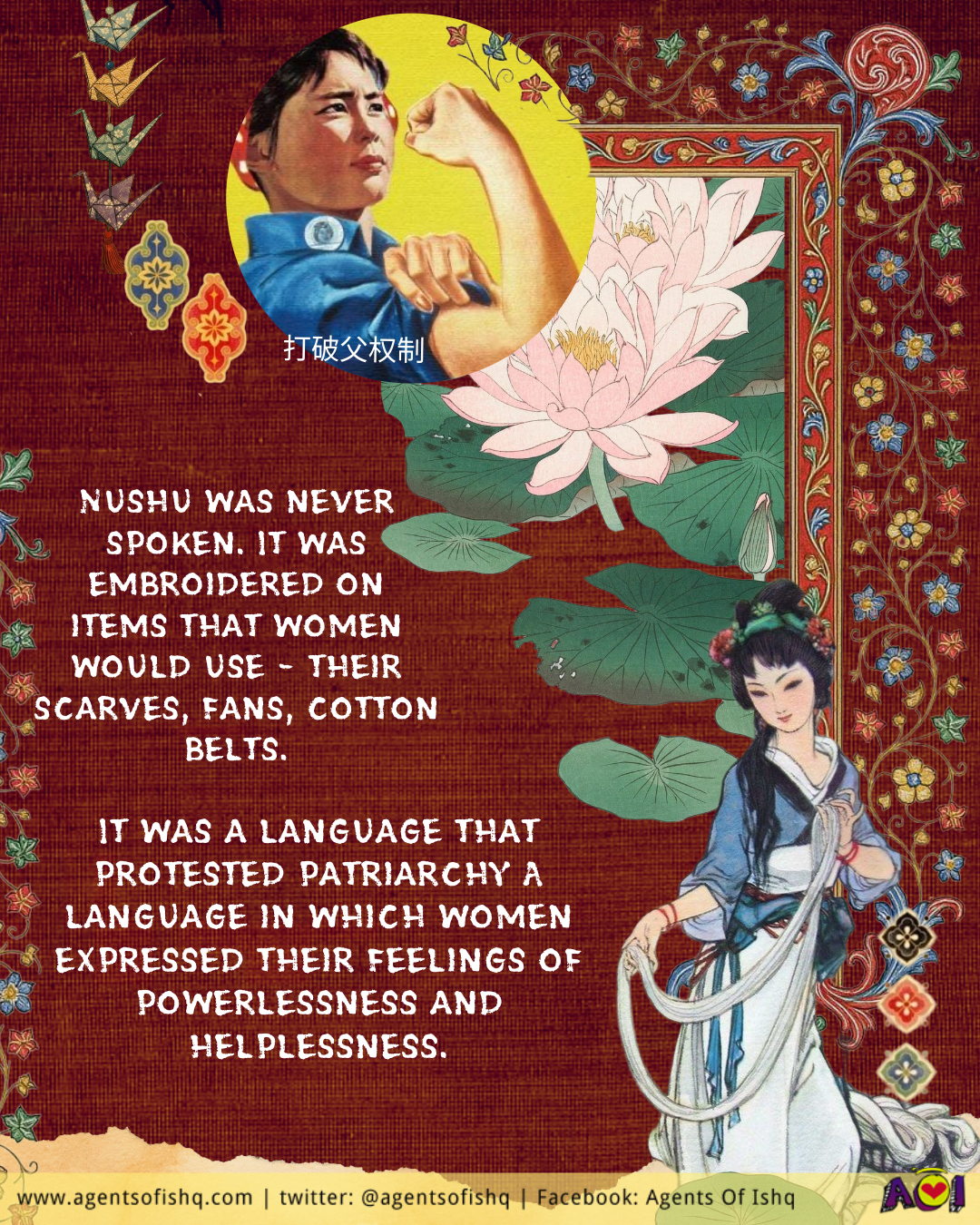
Nushu was not spoken.
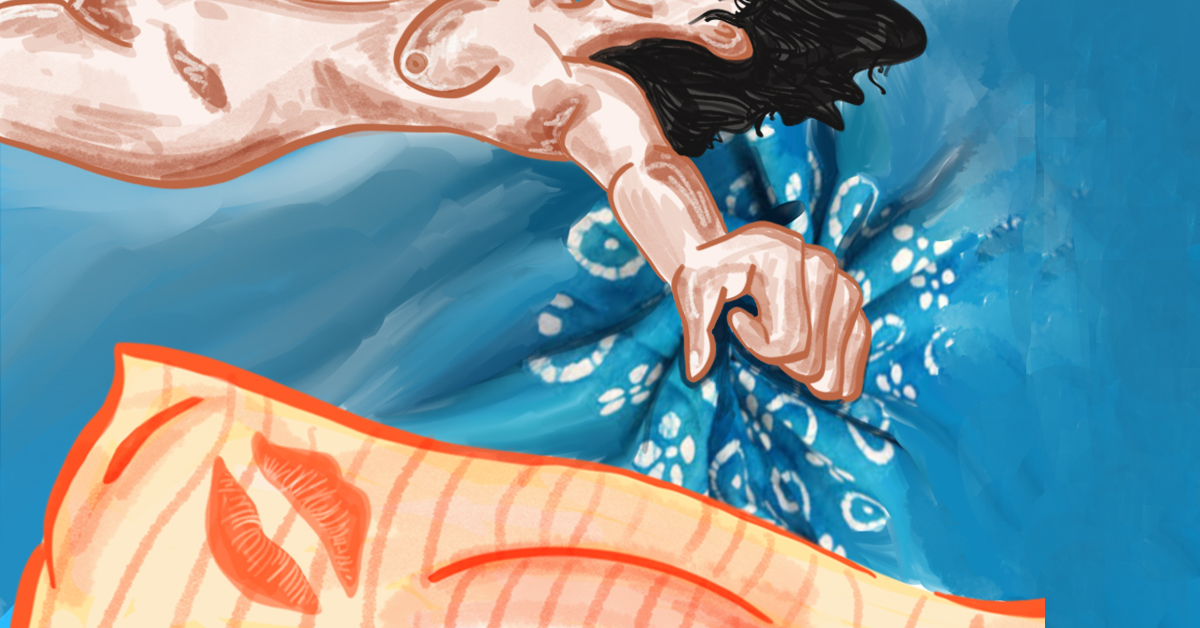
It was embroidered on items women used – their scarves, fans, cotton belts.
In this language they expressed their feelings of powerlessness, helplessness or rage.
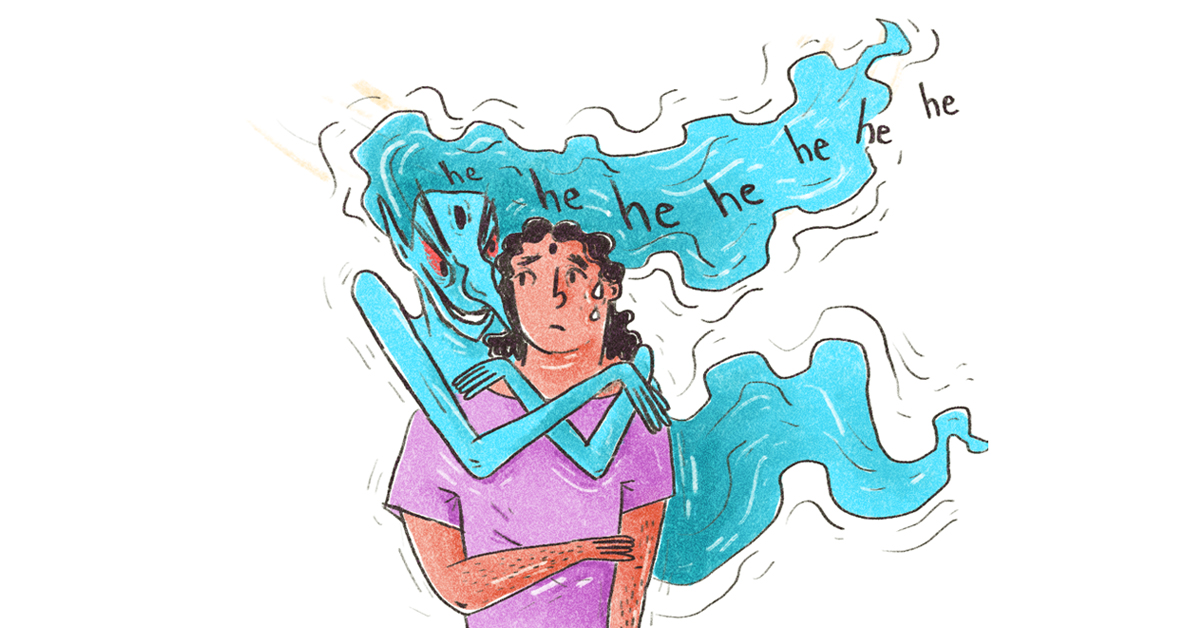
It was a language that protested against patriarchy
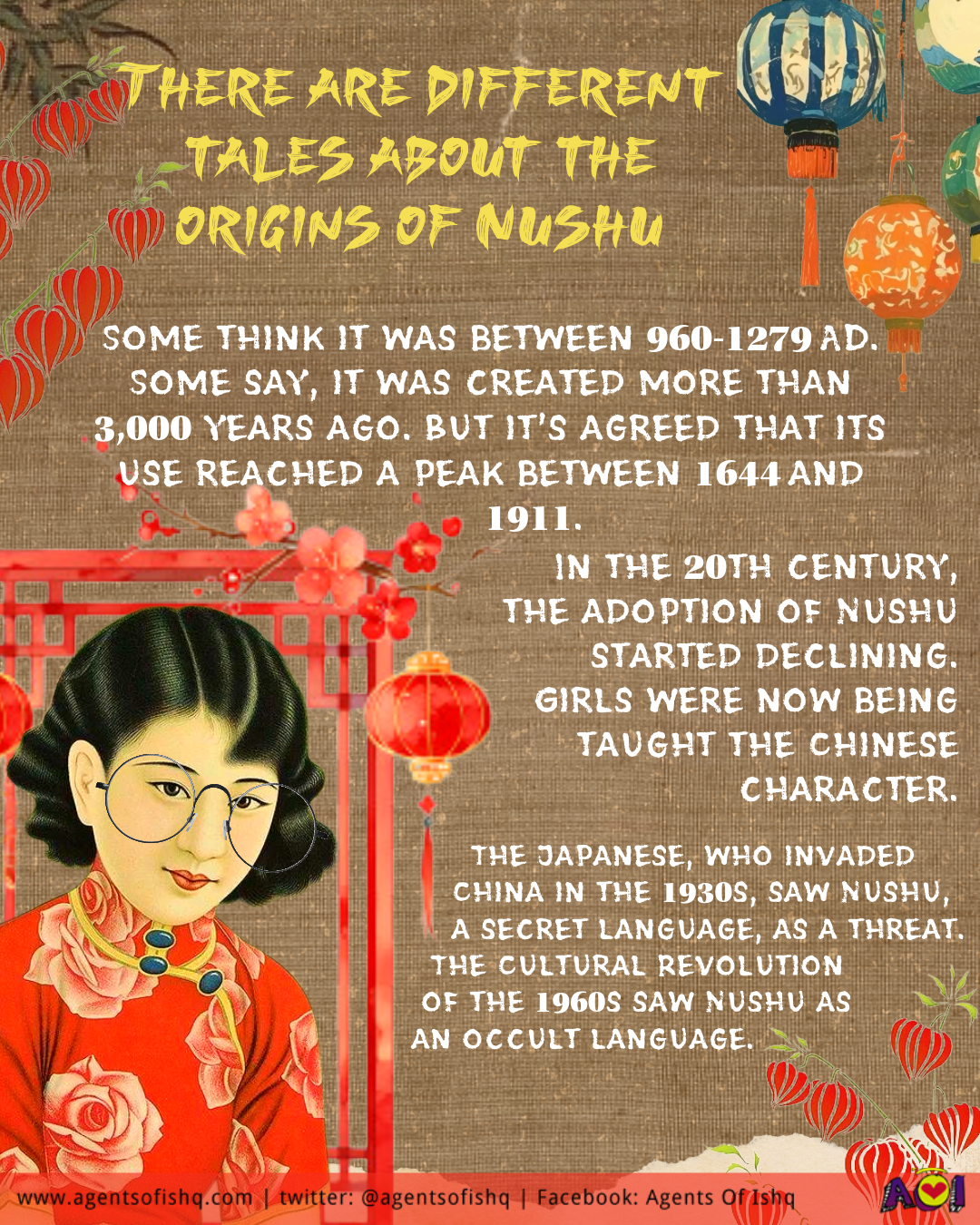
There are different opinions on when Nushu came to be.
Some think it was around 960-1279 AD.
Some say it was created more than 3,000 years ago.
But it’s agreed that its use reached a peak between 1644 and 1911.
Its fate changed in the 20th century.
In the 20th century, Nushu started fading, as girls began to learn Mandarin Chinese.
When the Japanese invaded China in the 1930s, they suppressed the secret language.
The Cultural Revolution of the 1960s considered Nushu an occult language that had no place in modern China.
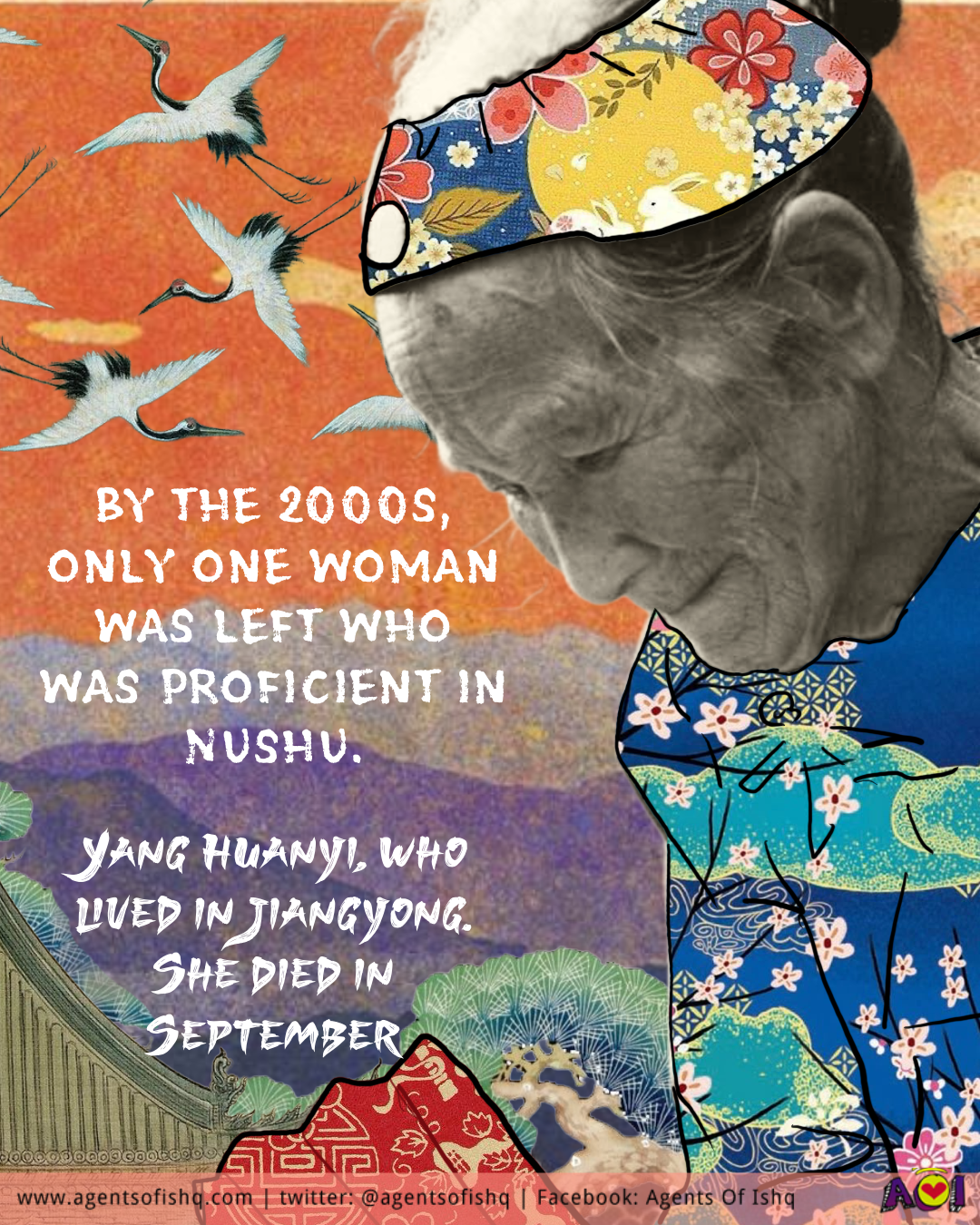
By the 2000s, only one woman proficient in Nushu was left in all of China.
Yang Huanyi of Jiangyong.
She died in September 2004.
There are ongoing efforts to preserve Nushu.
But wouldn’t its true legacy be
A world where women can speak freely,
Loudly, fearlessly
And know without doubt that they will be heard?
Sources:
Sworn Sisters and Secret Letters, Reviews & Articles, Vermilion Art
Nüshu: from tears to sunshine, The UNESCO Courier
Nüshu: China’s secret female-only language, BBC
Hidden Letters review – Chinese art of secret writing as refuge of female solidarity, The Guardian
From being to becoming: Nüshu and sentiments in a Chinese rural community, Anthro Source
A centuries-old secret script called nüshu is empowering young Chinese women, AP News